
A sharp jolt of pain when sipping cold water or biting into ice cream can turn a simple pleasure into an uncomfortable experience. Tooth sensitivity is one of the most common dental complaints, affecting people of all ages. While many assume it is just a minor annoyance, sensitivity is often a warning sign that the protective layers of the teeth have been weakened. Ignoring the discomfort can allow the underlying problem to worsen, potentially leading to cavities, gum disease, or even infection.
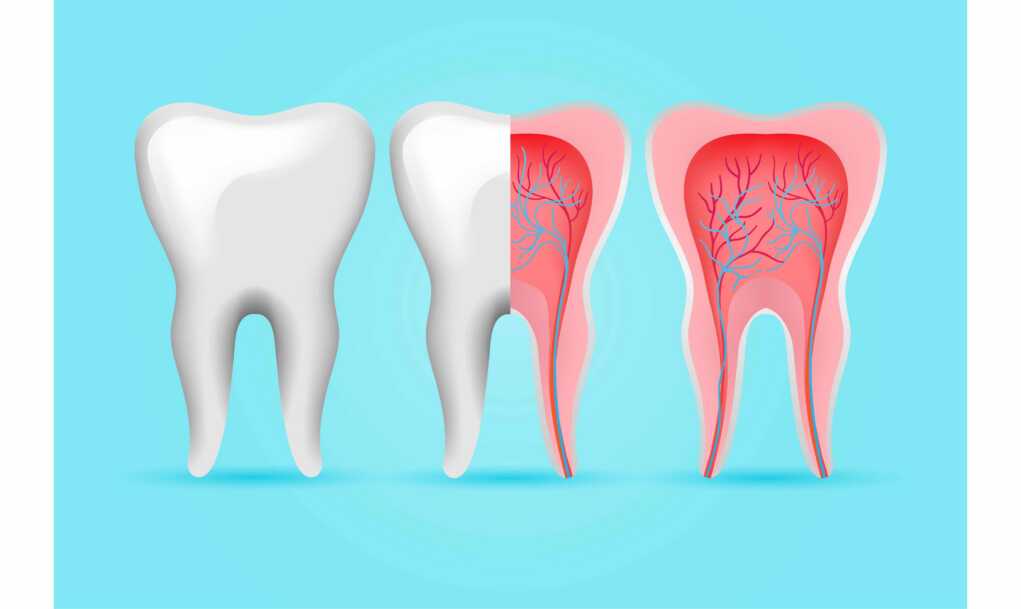
To truly stop tooth sensitivity, it is important to understand what causes it in the first place. The pain usually begins when enamel wears down or gums recede, exposing the dentin beneath the surface of the tooth. Dentin contains microscopic tubules that connect directly to the tooth’s nerve center. When hot, cold, sweet, or acidic substances reach these nerves, the result is the sudden, sharp pain many people recognize instantly. Fortunately, identifying the root cause can help prevent further damage and restore long-term comfort.
What Causes Tooth Sensitivity?
Several factors can trigger tooth sensitivity, and many of them develop gradually over time. One of the most common causes is enamel erosion. Acidic foods and beverages, including soda, citrus fruits, and energy drinks, slowly wear away the enamel that protects the teeth. Aggressive brushing with a hard-bristled toothbrush can also damage enamel and irritate the gums.
Gum recession is another major contributor. When gums pull away from the teeth, the roots become exposed. Unlike the crowns of teeth, roots are not protected by thick enamel, making them especially sensitive to temperature and pressure. Gum disease, aging, and improper brushing techniques can all contribute to recession.
Tooth decay, cracked teeth, worn fillings, and teeth grinding can also expose sensitive areas of the tooth. Even whitening treatments and certain dental procedures may temporarily increase sensitivity. In some cases, conditions like acid reflux or frequent vomiting can expose teeth to stomach acid, accelerating enamel loss.
Signs You Should Not Ignore
Tooth sensitivity often appears as a brief, sharp pain triggered by hot, cold, sweet, or sour foods and drinks. Some people also experience discomfort when brushing or flossing. While occasional sensitivity may not seem serious, persistent pain can indicate a deeper issue that requires professional attention.
Warning signs that should prompt a dental visit include:
- Sensitivity that lasts for several days or weeks
- Pain concentrated in one tooth
- Swollen or bleeding gums
- Pain when biting down
- Visible cracks, holes, or discoloration in teeth
These symptoms may signal cavities, infection, or gum disease rather than simple enamel wear.
How to Stop Tooth Sensitivity at the Root
The most effective way to treat sensitivity is to address the underlying cause rather than simply masking the pain. Dentists often recommend desensitizing toothpaste containing ingredients that help block pain signals from reaching the nerves inside the teeth. With regular use, many people notice improvement within a few weeks.
Fluoride treatments can also strengthen weakened enamel and reduce discomfort. Dentists may apply fluoride varnishes in-office or prescribe stronger fluoride products for home use. In more severe cases, dental bonding or sealants may be used to cover exposed root surfaces.
Lifestyle changes are equally important for long-term relief. Switching to a soft-bristled toothbrush and brushing gently can prevent further enamel erosion. Limiting acidic foods and drinks helps protect the tooth surface, while wearing a night guard can reduce damage caused by teeth grinding. Maintaining good oral hygiene through daily brushing and flossing also lowers the risk of gum disease and decay.
Prevention Is the Best Defense
Because enamel does not regenerate once it is lost, prevention is critical. Consistent dental checkups allow problems to be caught early before they progress into severe sensitivity or tooth damage. Drinking water after acidic beverages, avoiding excessive whitening treatments, and maintaining a balanced diet can all help preserve enamel strength.
Tooth sensitivity is not something people simply have to “live with.” In many cases, it is reversible or manageable when treated early and correctly. Understanding the causes behind the pain is the first step toward protecting oral health and restoring comfort. By addressing the issue at its source, people can enjoy their favorite foods and drinks again without fear of sudden discomfort.
Sources:
- Cleveland Clinic – Sensitive Teeth
- Mayo Clinic – Sensitive Teeth FAQ
- WebMD – What Can You Do About Sensitive Teeth?
- Healthline – Causes of Tooth Sensitivity to Heat and Cold
- Mayo Clinic – Toothache First Aid
Disclaimer
The watching, interacting, and participation of any kind with anything on this page does not constitute or initiate a doctor-patient relationship with Dr. Farrah™. None of the statements here have been evaluated by the Food and Drug Administration (FDA). The products of Dr. Farrah™ are not intended to diagnose, treat, cure, or prevent any disease. The information being provided should only be considered for education and entertainment purposes only. If you feel that anything you see or hear may be of value to you on this page or on any other medium of any kind associated with, showing, or quoting anything relating to Dr. Farrah™ in any way at any time, you are encouraged to and agree to consult with a licensed healthcare professional in your area to discuss it. If you feel that you’re having a healthcare emergency, seek medical attention immediately. The views expressed here are simply either the views and opinions of Dr. Farrah™ or others appearing and are protected under the first amendment.
Dr. Farrah™ is a highly experienced Licensed Medical Doctor certified in evidence-based clinical nutrition, not some enthusiast, formulator, or medium promoting the wild and unrestrained use of nutrition products for health issues without clinical experience and scientific evidence of therapeutic benefit. Dr. Farrah™ has personally and keenly studied everything she recommends, and more importantly, she’s closely observed the reactions and results in a clinical setting countless times over the course of her career involving the treatment of over 150,000 patients.
Dr. Farrah™ promotes evidence-based natural approaches to health, which means integrating her individual scientific and clinical expertise with the best available external clinical evidence from systematic research. By individual clinical expertise, I refer to the proficiency and judgment that individual clinicians acquire through clinical experience and clinical practice.
Dr. Farrah™ does not make any representation or warranties with respect to the accuracy, applicability, fitness, or completeness of any multimedia content provided. Dr. Farrah™ does not warrant the performance, effectiveness, or applicability of any sites listed, linked, or referenced to, in, or by any multimedia content.
To be clear, the multimedia content is not intended to be a substitute for professional medical advice, diagnosis, or treatment. Always seek the advice of your physician or other qualified health providers with any questions you may have regarding a medical condition. Never disregard professional medical advice or delay in seeking it because of something you have read or seen in any website, video, image, or media of any kind. Dr. Farrah™ hereby disclaims any and all liability to any party for any direct, indirect, implied, punitive, special, incidental, or other consequential damages arising directly or indirectly from any use of the content, which is provided as is, and without warranties.