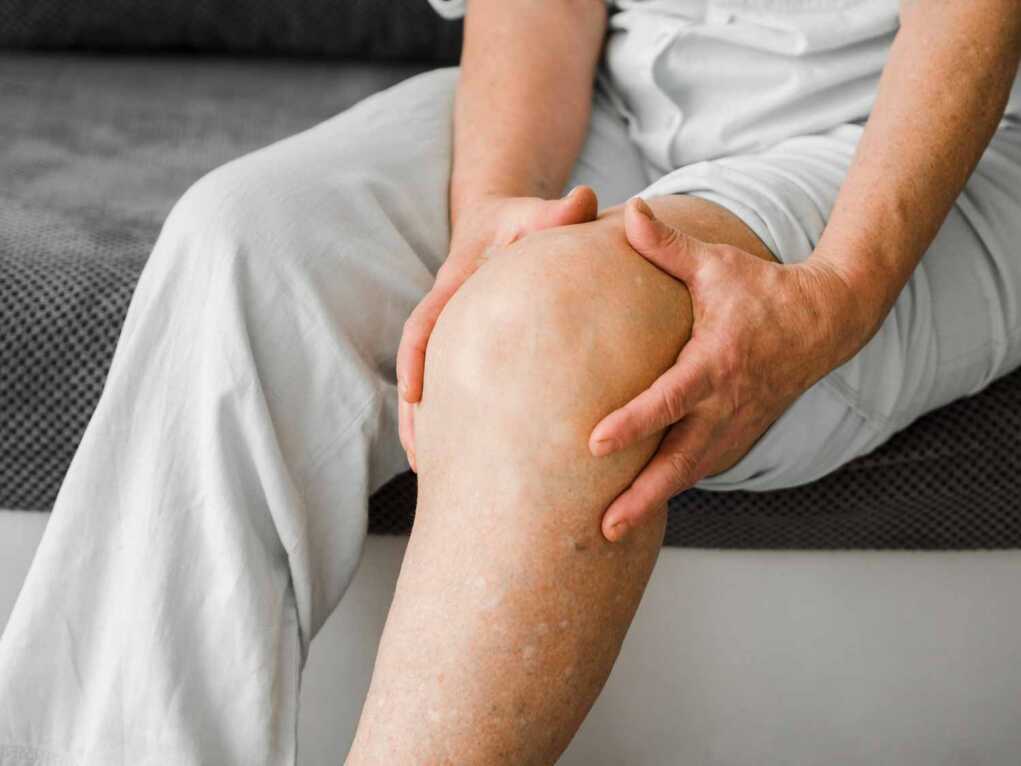
Knee osteoarthritis is one of the most common causes of chronic pain and reduced mobility among older adults. For years, many patients with knee pain linked to meniscus tears have undergone arthroscopic surgery to remove damaged cartilage, believing the procedure would relieve discomfort and slow joint deterioration. However, new research is challenging that long-standing assumption. A recent long-term study from Finland found that people who underwent partial meniscectomy — a common surgery for torn knee cartilage — often experienced worse outcomes over time than patients who received a placebo or “sham” procedure. Researchers reported greater progression of osteoarthritis, poorer knee function, and a higher likelihood of future surgery among those who had the operation.
The findings are reshaping conversations about how knee osteoarthritis should be treated. Experts now believe that many meniscus tears may be part of the natural aging process rather than the sole source of pain. Instead of immediately turning to surgery, physicians increasingly recommend conservative approaches that focus on strengthening muscles, reducing inflammation, improving mobility, and protecting joint health over the long term. While surgery may still be necessary in specific cases — especially when the knee locks or suffers severe traumatic injury — many patients may benefit more from physical therapy, weight management, exercise modification, and targeted pain relief strategies.
Why Surgery May Not Always Help
The meniscus is a rubbery cartilage structure that cushions the knee joint. As people age, small tears in this cartilage become increasingly common, even in people who have no pain at all. In the past, surgeons often assumed these tears were directly responsible for knee discomfort. But recent evidence suggests the relationship is far more complex. Osteoarthritis involves inflammation, cartilage breakdown, bone changes, and biochemical processes throughout the entire joint — not just one damaged area.
When part of the meniscus is removed, the knee may lose some of its natural shock absorption. Over time, this can increase pressure on the joint surfaces and accelerate cartilage wear. The Finnish study followed patients for a decade and found that those who underwent surgery generally reported more pain and worse mobility compared with those who did not have tissue removed. These findings support growing concerns that certain procedures once considered routine may not offer meaningful long-term benefits for degenerative knee conditions.
What Could Help Instead?
Physical Therapy and Strength Training
One of the strongest alternatives to surgery is structured physical therapy. Strengthening the quadriceps, hamstrings, and surrounding muscles can improve knee stability and reduce stress on the joint. Harvard Health notes that muscle strengthening and weight reduction remain among the most reliable approaches for managing osteoarthritis symptoms.
Exercise programs often focus on:
- Low-impact strengthening
- Flexibility exercises
- Balance and stability training
- Improving walking mechanics
Cycling, swimming, and water aerobics are commonly recommended because they place less pressure on the knees while still improving mobility and cardiovascular health.
Weight Management
Even modest weight loss can significantly reduce pressure on the knee joint. Studies show that every extra pound of body weight adds several pounds of force across the knees during movement. Losing weight may reduce inflammation, improve mobility, and slow the progression of osteoarthritis.
Anti-Inflammatory Treatments
Doctors often recommend nonsteroidal anti-inflammatory drugs (NSAIDs), topical pain relievers, or short-term corticosteroid injections to manage pain. Mayo Clinic notes that these treatments may help relieve symptoms, although repeated steroid injections may eventually contribute to joint damage if overused.
Other therapies sometimes used include:
- Hyaluronic acid injections
- Platelet-rich plasma (PRP) therapy
- Ice and heat therapy
- Activity modification
Some patients report temporary relief from these approaches, though experts say results can vary from person to person.
Lifestyle Adjustments
Small lifestyle changes may also make a meaningful difference. Avoiding repetitive high-impact activities, improving posture, wearing supportive footwear, and pacing physical activity can help reduce knee strain. Many physicians now encourage patients to remain active rather than avoiding movement altogether, since inactivity can weaken muscles and worsen joint stiffness.
Surgery Still Has a Role — Sometimes
Despite the concerns raised by recent studies, surgery is not obsolete. Orthopedic specialists emphasize that some patients with severe mechanical symptoms — such as knee locking, displaced tears, or traumatic injuries — may still benefit from surgical repair. Total knee replacement can also remain an effective option for advanced osteoarthritis when conservative treatments no longer provide relief.
The growing consensus, however, is that surgery should often be considered later rather than sooner. More experts now advocate a “rehabilitation first” strategy, reserving invasive procedures for carefully selected cases after non-surgical approaches have been thoroughly explored.
A Shift in How Knee Osteoarthritis Is Treated
The new research reflects a broader shift in modern medicine: questioning whether commonly performed procedures truly improve long-term outcomes. For many patients with knee osteoarthritis, the answer may not lie in removing damaged tissue, but in strengthening the body’s natural support systems and managing the condition more conservatively.
As researchers continue studying joint degeneration and pain, future treatments may become more personalized and less invasive. In the meantime, patients experiencing chronic knee pain should discuss all available options with healthcare professionals and consider whether surgery is truly necessary — or whether a long-term rehabilitation plan could offer better results.
Sources:
- Medical News Today – Surgery may worsen knee osteoarthritis, study says, so what could help?
- Mayo Clinic – Osteoarthritis: Diagnosis and treatment
- Harvard Health – Helpful or harmful? Weighing last resorts before knee surgery
- Johns Hopkins Medicine – Knee Arthritis
- The Guardian – Knee surgery for cartilage damage does not benefit patients, study suggests
Disclaimer
The watching, interacting, and participation of any kind with anything on this page does not constitute or initiate a doctor-patient relationship with Dr. Farrah™. None of the statements here have been evaluated by the Food and Drug Administration (FDA). The products of Dr. Farrah™ are not intended to diagnose, treat, cure, or prevent any disease. The information being provided should only be considered for education and entertainment purposes only. If you feel that anything you see or hear may be of value to you on this page or on any other medium of any kind associated with, showing, or quoting anything relating to Dr. Farrah™ in any way at any time, you are encouraged to and agree to consult with a licensed healthcare professional in your area to discuss it. If you feel that you’re having a healthcare emergency, seek medical attention immediately. The views expressed here are simply either the views and opinions of Dr. Farrah™ or others appearing and are protected under the first amendment.
Dr. Farrah™ is a highly experienced Licensed Medical Doctor certified in evidence-based clinical nutrition, not some enthusiast, formulator, or medium promoting the wild and unrestrained use of nutrition products for health issues without clinical experience and scientific evidence of therapeutic benefit. Dr. Farrah™ has personally and keenly studied everything she recommends, and more importantly, she’s closely observed the reactions and results in a clinical setting countless times over the course of her career involving the treatment of over 150,000 patients.
Dr. Farrah™ promotes evidence-based natural approaches to health, which means integrating her individual scientific and clinical expertise with the best available external clinical evidence from systematic research. By individual clinical expertise, I refer to the proficiency and judgment that individual clinicians acquire through clinical experience and clinical practice.
Dr. Farrah™ does not make any representation or warranties with respect to the accuracy, applicability, fitness, or completeness of any multimedia content provided. Dr. Farrah™ does not warrant the performance, effectiveness, or applicability of any sites listed, linked, or referenced to, in, or by any multimedia content.
To be clear, the multimedia content is not intended to be a substitute for professional medical advice, diagnosis, or treatment. Always seek the advice of your physician or other qualified health providers with any questions you may have regarding a medical condition. Never disregard professional medical advice or delay in seeking it because of something you have read or seen in any website, video, image, or media of any kind. Dr. Farrah™ hereby disclaims any and all liability to any party for any direct, indirect, implied, punitive, special, incidental, or other consequential damages arising directly or indirectly from any use of the content, which is provided as is, and without warranties.