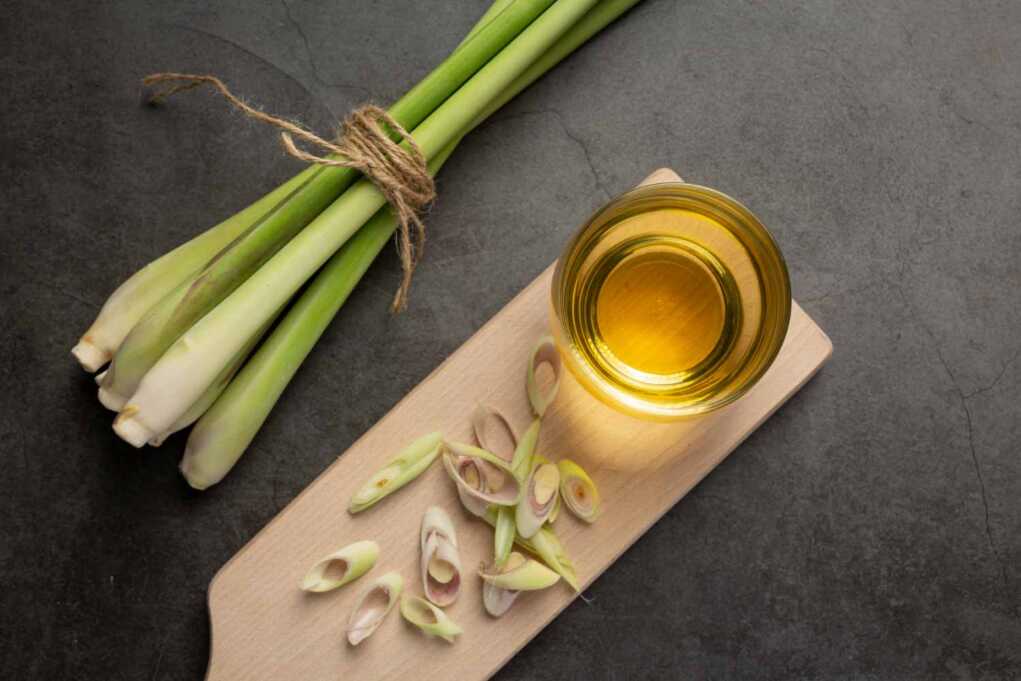
Lemongrass (Cymbopogon citratus) is a widely cultivated tropical herb best known for its culinary use in teas, soups, and Southeast Asian cuisine. Beyond its refreshing citrus-like aroma and flavor, it has long held a place in traditional medicine systems in Asia, Africa, and Latin America, where it has been used for digestive issues, fever, inflammation, and stress relief. In recent years, however, scientific interest has expanded significantly toward its potential role in cancer research. Preclinical studies conducted in laboratories and animal models suggest that lemongrass extracts may exhibit anticancer properties while showing relatively low toxicity to normal, healthy cells.
This selective action is especially important in oncology research because many conventional cancer treatments, including chemotherapy and radiation, damage healthy tissues alongside cancer cells. As a result, researchers are increasingly exploring plant-derived compounds that might offer more targeted effects. Lemongrass has emerged as one such candidate due to its rich chemical composition, particularly its high concentration of citral, along with flavonoids, phenolic compounds, and essential oils. Early scientific findings indicate that these bioactive molecules may influence cancer cell growth, survival, and programmed cell death pathways, making lemongrass a subject of growing interest in natural product-based cancer research.
Bioactive Compounds Behind Lemongrass’s Potential Effects
The anticancer interest in lemongrass largely centers on its essential oil, which contains citral as one of its primary active components. Citral is actually a mixture of two aldehydes—geranial and neral—that give lemongrass its distinct lemon scent. Laboratory research suggests citral may play a role in disrupting cancer cell metabolism, inducing oxidative stress selectively in tumor cells, and triggering apoptosis, or programmed cell death.
In addition to citral, lemongrass contains flavonoids and phenolic compounds that contribute to its antioxidant properties. These compounds help neutralize free radicals, which are unstable molecules that can damage DNA and contribute to cancer development over time. By reducing oxidative stress, these antioxidants may help protect normal cells from damage while still allowing cytotoxic effects to target cancerous cells under experimental conditions.
Evidence from Laboratory and Animal Studies
Preclinical studies are the foundation of current knowledge about lemongrass’s anticancer potential. In vitro (test tube) research has demonstrated that lemongrass extracts can inhibit the growth of various cancer cell lines, including breast, colon, cervical, and liver cancer cells. Some experiments have shown dose-dependent responses, where higher concentrations of extract lead to increased cancer cell death while having limited effects on healthy cell cultures.
For example, one study published in biomedical literature found that ethanolic extracts of lemongrass induced apoptosis in colon cancer cells while showing comparatively low toxicity toward normal cells. Researchers observed signs of cell cycle arrest, meaning cancer cells were prevented from dividing and multiplying. This is a key mechanism of interest in cancer therapy, as uncontrolled cell division is a hallmark of tumor growth.
Animal studies have also provided supportive evidence. In some mouse models, lemongrass extract administration was associated with reduced tumor growth and decreased markers of cancer progression. Importantly, these studies often report minimal adverse effects on healthy tissues at tested doses, reinforcing the idea of selective toxicity. However, researchers emphasize that animal metabolism differs significantly from humans, and results cannot be directly translated into clinical treatment outcomes.
Mechanisms of Action: How Lemongrass May Affect Cancer Cells
Scientists have proposed several mechanisms through which lemongrass may exert anticancer effects. One of the most widely studied is apoptosis induction. Apoptosis is a natural process that allows the body to eliminate damaged or abnormal cells. Cancer cells often evade this process, enabling uncontrolled growth. Compounds in lemongrass, particularly citral, appear to reactivate apoptotic pathways in some cancer cell lines under laboratory conditions.
Another proposed mechanism involves oxidative stress modulation. While antioxidants in lemongrass may protect healthy cells, certain studies suggest that high concentrations of its essential oil components can generate reactive oxygen species (ROS) within cancer cells. Unlike normal cells, cancer cells are often more vulnerable to oxidative imbalance, which can lead to cellular damage and death.
Cell cycle arrest is another observed effect. By interfering with regulatory proteins that control cell division, lemongrass compounds may halt the proliferation of cancer cells at specific phases of the cell cycle. This prevents tumor expansion and may enhance the effectiveness of other anticancer agents in experimental settings.
Some studies also suggest anti-angiogenic potential, meaning lemongrass compounds might inhibit the formation of new blood vessels that tumors need to grow and spread. While this effect is still being explored, it adds to the growing list of possible anticancer pathways associated with the plant.
Selectivity: Why Healthy Cells May Be Spared
One of the most intriguing findings from preclinical research is the apparent selectivity of lemongrass extracts. In some studies, cancer cells show significantly higher sensitivity to lemongrass compounds compared to normal cells. Researchers believe this may be due to differences in metabolic activity between healthy and cancerous cells.
Cancer cells typically have higher rates of metabolism and oxidative stress, making them more susceptible to compounds that further disrupt these processes. Meanwhile, normal cells may be better equipped to manage mild oxidative changes and detoxify plant-based compounds, allowing them to survive exposure levels that are toxic to cancer cells in laboratory conditions.
However, this selectivity is not absolute and can vary depending on extract concentration, preparation method, and cell type. This is why careful dosing and standardization are critical in future research.
Limitations of Current Research
Despite promising results, it is important to emphasize that most evidence supporting lemongrass’s anticancer potential remains preclinical. This means findings are based primarily on cell cultures and animal studies rather than human clinical trials. As a result, there is currently no scientific confirmation that lemongrass can treat or prevent cancer in humans.
Another limitation is variability in extract composition. The chemical profile of lemongrass can change depending on growing conditions, harvesting methods, and extraction techniques. This makes it difficult to standardize doses or compare results across studies.
Additionally, concentrations used in laboratory experiments are often much higher than what would typically be consumed in food or tea. This raises questions about whether biologically active levels can be safely achieved in humans through dietary intake alone.
Traditional Use and Modern Scientific Interest
Lemongrass has a long history of traditional use for treating digestive discomfort, anxiety, inflammation, and infections. Its inclusion in herbal medicine systems has made it a natural candidate for modern scientific investigation. Researchers often look to traditional remedies as a starting point for drug discovery, isolating and studying compounds that may have therapeutic value.
While traditional use provides cultural and historical context, modern science requires rigorous testing to validate safety and effectiveness. In the case of lemongrass, its transition from folk remedy to laboratory research subject illustrates the broader movement toward integrating natural products into biomedical science.
Safety Considerations
Lemongrass is generally considered safe when consumed in normal dietary amounts, such as in teas or cooking. However, concentrated essential oils or extracts may produce stronger biological effects and should be used cautiously. Some individuals may experience allergic reactions or skin irritation when using topical forms of lemongrass oil.
Because of its potential biological activity, lemongrass supplements should not be used as a substitute for medical cancer treatments. Patients undergoing chemotherapy or radiation should always consult healthcare professionals before using herbal supplements, as interactions with medications are possible.
Conclusion
Preclinical studies suggest that lemongrass contains bioactive compounds with promising anticancer properties, particularly in laboratory and animal models. Its ability to induce apoptosis, disrupt cancer cell cycles, and selectively affect tumor cells while sparing healthy ones has made it a subject of increasing scientific interest. However, these findings remain preliminary, and there is currently no clinical evidence supporting its use as a cancer treatment in humans.
Lemongrass represents an exciting example of how traditional medicinal plants can inspire modern biomedical research. While it is not a cure or substitute for established therapies, it may contribute to future drug discovery efforts aimed at developing safer and more targeted cancer treatments.
Sources:
- https://www.ncbi.nlm.nih.gov/pmc/articles/PMC6918039/
- https://pubmed.ncbi.nlm.nih.gov/31845598/
- https://link.springer.com/article/10.1186/s12906-024-04511-4
- https://www.mskcc.org/cancer-care/integrative-medicine/herbs/lemongrass
- https://www.healthline.com/nutrition/lemongrass-tea
Disclaimer
The watching, interacting, and participation of any kind with anything on this page does not constitute or initiate a doctor-patient relationship with Dr. Farrah™. None of the statements here have been evaluated by the Food and Drug Administration (FDA). The products of Dr. Farrah™ are not intended to diagnose, treat, cure, or prevent any disease. The information being provided should only be considered for education and entertainment purposes only. If you feel that anything you see or hear may be of value to you on this page or on any other medium of any kind associated with, showing, or quoting anything relating to Dr. Farrah™ in any way at any time, you are encouraged to and agree to consult with a licensed healthcare professional in your area to discuss it. If you feel that you’re having a healthcare emergency, seek medical attention immediately. The views expressed here are simply either the views and opinions of Dr. Farrah™ or others appearing and are protected under the first amendment.
Dr. Farrah™ is a highly experienced Licensed Medical Doctor certified in evidence-based clinical nutrition, not some enthusiast, formulator, or medium promoting the wild and unrestrained use of nutrition products for health issues without clinical experience and scientific evidence of therapeutic benefit. Dr. Farrah™ has personally and keenly studied everything she recommends, and more importantly, she’s closely observed the reactions and results in a clinical setting countless times over the course of her career involving the treatment of over 150,000 patients.
Dr. Farrah™ promotes evidence-based natural approaches to health, which means integrating her individual scientific and clinical expertise with the best available external clinical evidence from systematic research. By individual clinical expertise, I refer to the proficiency and judgment that individual clinicians acquire through clinical experience and clinical practice.
Dr. Farrah™ does not make any representation or warranties with respect to the accuracy, applicability, fitness, or completeness of any multimedia content provided. Dr. Farrah™ does not warrant the performance, effectiveness, or applicability of any sites listed, linked, or referenced to, in, or by any multimedia content.
To be clear, the multimedia content is not intended to be a substitute for professional medical advice, diagnosis, or treatment. Always seek the advice of your physician or other qualified health providers with any questions you may have regarding a medical condition. Never disregard professional medical advice or delay in seeking it because of something you have read or seen in any website, video, image, or media of any kind. Dr. Farrah™ hereby disclaims any and all liability to any party for any direct, indirect, implied, punitive, special, incidental, or other consequential damages arising directly or indirectly from any use of the content, which is provided as is, and without warranties.