
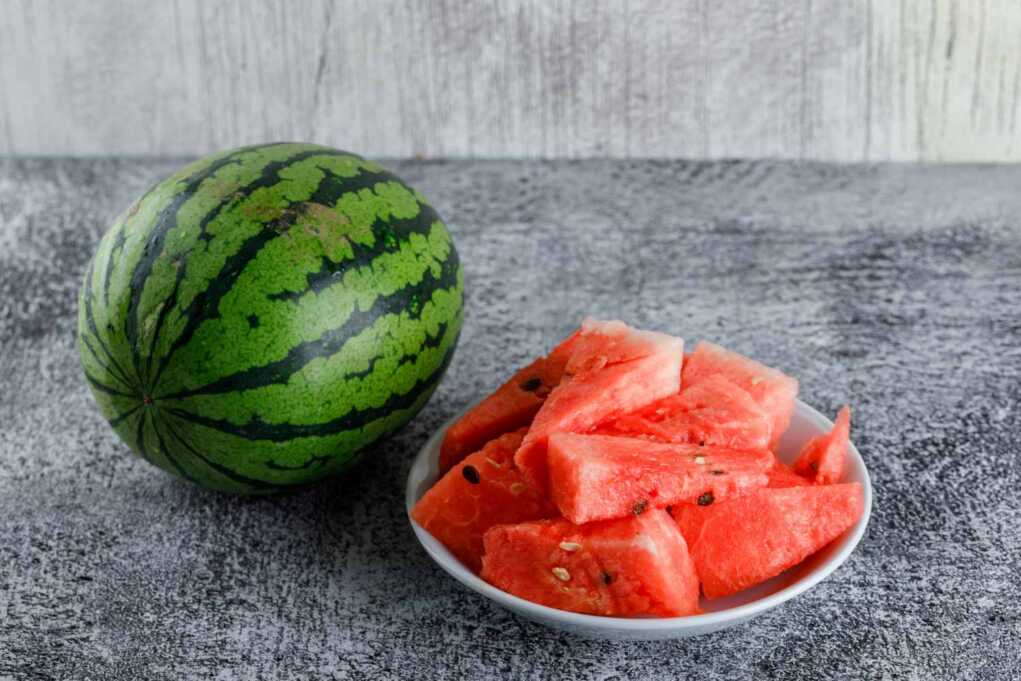
Heart disease remains one of the leading causes of death worldwide, prompting many people to look for simple dietary changes that can support cardiovascular health. While foods such as leafy greens, berries, and fatty fish often receive most of the attention, watermelon is emerging as another fruit with promising heart-health benefits. Known for its refreshing taste and high water content, watermelon contains a unique combination of nutrients and plant compounds that may help protect the heart and blood vessels.
Researchers and nutrition experts have become increasingly interested in watermelon because it contains lycopene, an antioxidant linked to cardiovascular protection, as well as citrulline, an amino acid that may support healthy blood flow. Although watermelon is not a cure for heart disease, evidence suggests that regularly including it in a balanced diet could contribute to lower blood pressure, reduced inflammation, and better overall cardiovascular function. These benefits make watermelon more than just a popular summer snack.
Why Watermelon Supports Heart Health
One of the most important reasons watermelon may help prevent heart disease is its high concentration of lycopene. Lycopene is a powerful antioxidant responsible for the fruit’s red color. Antioxidants help protect cells from oxidative stress, a process that can damage blood vessels and contribute to the development of heart disease. Research suggests that higher lycopene intake may be associated with healthier cholesterol levels and lower blood pressure, both of which are important factors in reducing cardiovascular risk.
Watermelon is also one of the richest natural sources of citrulline. After consumption, citrulline is converted into arginine, which helps the body produce nitric oxide. Nitric oxide plays a key role in relaxing and widening blood vessels, allowing blood to flow more efficiently throughout the body. Healthy blood vessel function can help reduce strain on the heart and may support healthy blood pressure levels.
Hydration and Cardiovascular Function
Proper hydration is essential for maintaining cardiovascular health, and watermelon can contribute significantly because it is more than 90% water. Staying hydrated helps the heart pump blood more efficiently and supports healthy circulation. Even mild dehydration can place additional stress on the cardiovascular system, making water-rich foods like watermelon a valuable addition to a heart-conscious diet.
In addition to water, watermelon provides potassium and magnesium, minerals that help regulate blood pressure and support normal heart rhythms. These nutrients work together to maintain fluid balance and assist the muscles, including the heart muscle, in functioning properly.
Fighting Inflammation and Oxidative Stress
Chronic inflammation is increasingly recognized as a major contributor to heart disease. Watermelon contains several antioxidants, including lycopene and vitamin C, which may help reduce inflammation and protect tissues from damage caused by free radicals. Lower levels of inflammation can help preserve the health of arteries and reduce the likelihood of plaque buildup over time.
Scientists continue to study the relationship between watermelon consumption and cardiovascular health, but early findings are encouraging. Some studies suggest that compounds found in watermelon may improve measures of vascular function and circulation, particularly in people who have elevated blood pressure or other cardiovascular risk factors.
Incorporating More Watermelon Into Your Diet
Adding watermelon to your diet is simple and versatile. Fresh slices make an easy snack, while diced watermelon can be added to fruit salads, smoothies, or yogurt bowls. Some people also enjoy blending watermelon into refreshing beverages or pairing it with herbs such as mint for added flavor.
As with any food, moderation is important. Watermelon contains natural sugars, so individuals with diabetes or other medical conditions should pay attention to portion sizes and consult a healthcare professional if necessary. However, for most people, enjoying watermelon as part of a balanced diet can be a delicious way to support overall health while potentially benefiting the heart.
Conclusion
Watermelon offers more than hydration and sweetness. Its combination of lycopene, citrulline, vitamins, minerals, and antioxidants may help support healthy blood pressure, improve circulation, and reduce inflammation—factors that are closely linked to cardiovascular health. While no single food can prevent heart disease on its own, incorporating watermelon into a nutritious lifestyle may be one small but meaningful step toward a healthier heart.
Sources:
- Cleveland Clinic – Why Watermelon Should Be Part of Your Diet
- Healthline – Top Health Benefits of Eating Watermelon
- WebMD – Health Benefits of Watermelon
- Health.com – Health Benefits of Watermelon
- National Watermelon Promotion Board – Watermelon’s Benefits
Disclaimer
The watching, interacting, and participation of any kind with anything on this page does not constitute or initiate a doctor-patient relationship with Dr. Farrah™. None of the statements here have been evaluated by the Food and Drug Administration (FDA). The products of Dr. Farrah™ are not intended to diagnose, treat, cure, or prevent any disease. The information being provided should only be considered for education and entertainment purposes only. If you feel that anything you see or hear may be of value to you on this page or on any other medium of any kind associated with, showing, or quoting anything relating to Dr. Farrah™ in any way at any time, you are encouraged to and agree to consult with a licensed healthcare professional in your area to discuss it. If you feel that you’re having a healthcare emergency, seek medical attention immediately. The views expressed here are simply either the views and opinions of Dr. Farrah™ or others appearing and are protected under the first amendment.
Dr. Farrah™ is a highly experienced Licensed Medical Doctor certified in evidence-based clinical nutrition, not some enthusiast, formulator, or medium promoting the wild and unrestrained use of nutrition products for health issues without clinical experience and scientific evidence of therapeutic benefit. Dr. Farrah™ has personally and keenly studied everything she recommends, and more importantly, she’s closely observed the reactions and results in a clinical setting countless times over the course of her career involving the treatment of over 150,000 patients.
Dr. Farrah™ promotes evidence-based natural approaches to health, which means integrating her individual scientific and clinical expertise with the best available external clinical evidence from systematic research. By individual clinical expertise, I refer to the proficiency and judgment that individual clinicians acquire through clinical experience and clinical practice.
Dr. Farrah™ does not make any representation or warranties with respect to the accuracy, applicability, fitness, or completeness of any multimedia content provided. Dr. Farrah™ does not warrant the performance, effectiveness, or applicability of any sites listed, linked, or referenced to, in, or by any multimedia content.
To be clear, the multimedia content is not intended to be a substitute for professional medical advice, diagnosis, or treatment. Always seek the advice of your physician or other qualified health providers with any questions you may have regarding a medical condition. Never disregard professional medical advice or delay in seeking it because of something you have read or seen in any website, video, image, or media of any kind. Dr. Farrah™ hereby disclaims any and all liability to any party for any direct, indirect, implied, punitive, special, incidental, or other consequential damages arising directly or indirectly from any use of the content, which is provided as is, and without warranties.