
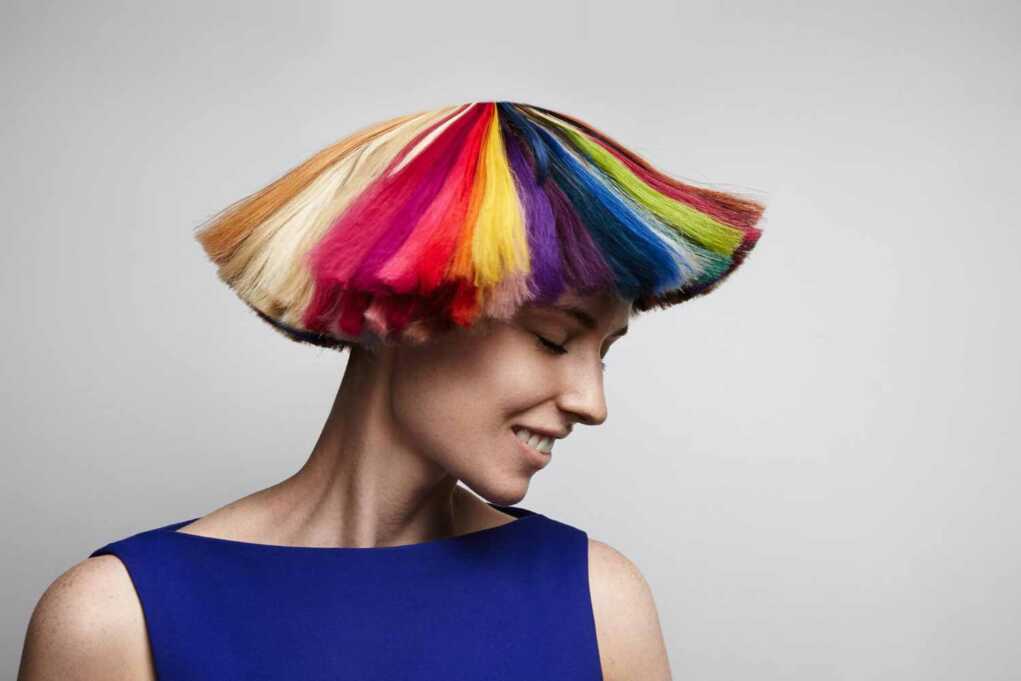
Hair dye has become a routine part of personal grooming and self-expression for people of all ages. Whether used to cover gray hair, enhance natural color, or experiment with new looks, hair coloring products are widely available and easy to use at home or in salons. With such widespread use, it’s natural to wonder how these products interact with the body and whether they pose any health risks over time.
Although most hair dyes on the market are regulated and considered safe when used as directed, research suggests there are important health factors to keep in mind—especially for people who dye their hair frequently or have sensitive skin. Understanding the ingredients in hair dyes, the potential short- and long-term health effects, and steps to reduce risk can help consumers make informed decisions about their hair care routines.
Understanding Hair Dye Ingredients
Hair dyes are made from a combination of coloring agents, developers, preservatives, and fragrances. Permanent hair dyes often contain chemicals such as aromatic amines, hydrogen peroxide, and ammonia, which work together to penetrate the hair shaft and alter its natural pigment. Darker dyes typically use higher concentrations of these chemical intermediates, which is why they receive closer scrutiny in safety studies.
Semi-permanent and temporary dyes generally contain fewer harsh chemicals and do not penetrate the hair shaft as deeply. However, they can still cause irritation or allergic reactions in some individuals, especially when used repeatedly or incorrectly.
Types of Hair Dyes and Their Health Impact
Temporary Hair Dyes
Temporary dyes coat the outer surface of the hair and usually wash out after one or two shampoos. Because they do not penetrate the hair shaft, they are considered the least likely to cause long-term health effects. However, they may still contain fragrances or preservatives that can irritate sensitive skin.
Semi-Permanent Hair Dyes
Semi-permanent dyes last longer than temporary dyes and partially penetrate the hair shaft. While they are generally milder than permanent dyes, they may still contain allergenic compounds that can cause reactions, especially with repeated exposure.
Permanent Hair Dyes
Permanent hair dyes provide the longest-lasting results but involve the strongest chemical processes. These dyes are the focus of most health research due to their deeper penetration and higher likelihood of chemical absorption through the scalp.
Allergic Reactions and Skin Sensitivity
Contact Dermatitis and Scalp Irritation
One of the most common health concerns linked to hair dye use is allergic contact dermatitis. Symptoms may include itching, redness, swelling, burning sensations, or blistering on the scalp, face, or neck. A chemical called p-phenylenediamine (PPD) is a frequent cause of allergic reactions, particularly in darker permanent dyes.
Why Patch Testing Matters
Health experts strongly recommend performing a patch test 24 to 48 hours before using any hair dye product—even if it has been used before. Allergies can develop over time, and patch testing can help prevent severe reactions.
Hair Dye and Cancer Risk
What Scientific Studies Suggest
The possible link between hair dye use and cancer has been studied for decades. Some research has found associations between long-term hair dye use and certain cancers, such as bladder cancer and blood cancers, particularly among hairdressers and others with occupational exposure.
What Health Organizations Say
Major health organizations, including the American Cancer Society, note that evidence linking personal hair dye use to cancer is inconsistent and inconclusive. While some studies suggest a potential risk, others show no clear connection. As a result, personal use of hair dye is not currently classified as a known cause of cancer, though research continues.
Hormonal and Systemic Health Considerations
Absorption Through the Scalp
The scalp can absorb small amounts of chemicals during hair dye application. Some ingredients used in hair dyes have been studied for their potential to interfere with hormones, leading to concerns about reproductive or endocrine effects. While current evidence does not prove a direct cause-and-effect relationship, experts advise limiting unnecessary exposure when possible.
Hair Damage and Hair Health
Structural Damage to Hair
Beyond internal health concerns, hair dye can affect hair quality. Frequent coloring—especially bleaching—can weaken the hair shaft, leading to dryness, breakage, and split ends. This damage occurs because the chemicals used to change hair color also strip away natural protective oils.
Maintaining Healthy Hair While Dyeing
Using conditioning treatments, spacing out dye sessions, and avoiding excessive heat styling can help reduce hair damage. Choosing gentler formulations may also support better hair health over time.
Reducing Health Risks When Using Hair Dye
Practical Safety Tips
- Always follow product instructions carefully
- Perform a patch test before every application
- Wear gloves and avoid direct contact with skin
- Do not dye hair if the scalp is irritated or broken
- Use hair dye in a well-ventilated area
- Limit how often you color your hair
Are Natural or Plant-Based Dyes Safer?
Some people choose plant-based dyes such as henna as alternatives. While these may contain fewer synthetic chemicals, they can still cause allergic reactions and are not automatically risk-free. Reading ingredient labels and understanding product claims is essential.
Conclusion
Hair dye is a widely used cosmetic product that can be enjoyed safely by most people when used responsibly. While research continues to explore potential long-term health effects, current evidence suggests that occasional personal use carries low risk. Staying informed, using products as directed, and paying attention to your body’s reactions are key steps in protecting both your health and your hair.
Sources:
- American Cancer Society – Hair Dyes and Cancer Risk
https://www.cancer.org/cancer/risk-prevention/chemicals/hair-dyes.html - WebMD – Hair Dye and Health Risks
https://www.webmd.com/beauty/is-hair-dye-linked-cancer-risk - NHS – Hair Dye Reactions
https://www.nhs.uk/conditions/hair-dye-reactions/ - Healthline – Does Hair Dye Cause Cancer?
https://www.healthline.com/health/cancer/does-hair-dye-cause-cancer - Environmental Working Group (EWG) – Hair Dye Chemicals and Health Concerns
https://www.ewg.org/research/dye-dangers-harmful-chemicals-hair-coloring-products-and-their-health-concerns
Disclaimer
The watching, interacting, and participation of any kind with anything on this page does not constitute or initiate a doctor-patient relationship with Dr. Farrah™. None of the statements here have been evaluated by the Food and Drug Administration (FDA). The products of Dr. Farrah™ are not intended to diagnose, treat, cure, or prevent any disease. The information being provided should only be considered for education and entertainment purposes only. If you feel that anything you see or hear may be of value to you on this page or on any other medium of any kind associated with, showing, or quoting anything relating to Dr. Farrah™ in any way at any time, you are encouraged to and agree to consult with a licensed healthcare professional in your area to discuss it. If you feel that you’re having a healthcare emergency, seek medical attention immediately. The views expressed here are simply either the views and opinions of Dr. Farrah™ or others appearing and are protected under the first amendment.
Dr. Farrah™ is a highly experienced Licensed Medical Doctor certified in evidence-based clinical nutrition, not some enthusiast, formulator, or medium promoting the wild and unrestrained use of nutrition products for health issues without clinical experience and scientific evidence of therapeutic benefit. Dr. Farrah™ has personally and keenly studied everything she recommends, and more importantly, she’s closely observed the reactions and results in a clinical setting countless times over the course of her career involving the treatment of over 150,000 patients.
Dr. Farrah™ promotes evidence-based natural approaches to health, which means integrating her individual scientific and clinical expertise with the best available external clinical evidence from systematic research. By individual clinical expertise, I refer to the proficiency and judgment that individual clinicians acquire through clinical experience and clinical practice.
Dr. Farrah™ does not make any representation or warranties with respect to the accuracy, applicability, fitness, or completeness of any multimedia content provided. Dr. Farrah™ does not warrant the performance, effectiveness, or applicability of any sites listed, linked, or referenced to, in, or by any multimedia content.
To be clear, the multimedia content is not intended to be a substitute for professional medical advice, diagnosis, or treatment. Always seek the advice of your physician or other qualified health providers with any questions you may have regarding a medical condition. Never disregard professional medical advice or delay in seeking it because of something you have read or seen in any website, video, image, or media of any kind. Dr. Farrah™ hereby disclaims any and all liability to any party for any direct, indirect, implied, punitive, special, incidental, or other consequential damages arising directly or indirectly from any use of the content, which is provided as is, and without warranties.