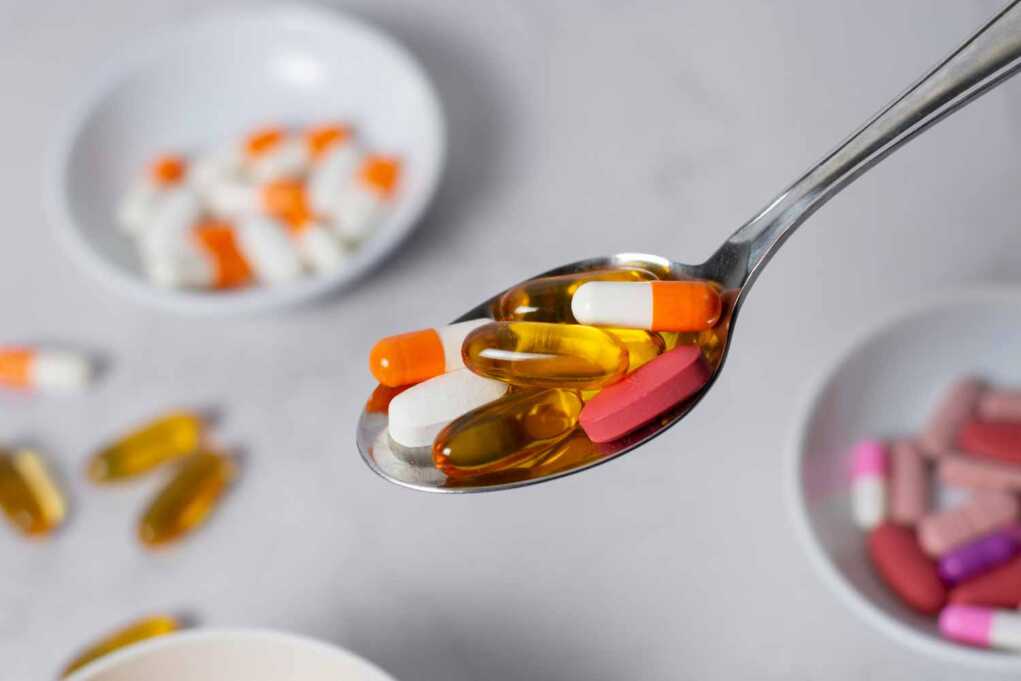
Navigating the world of dietary supplements can feel like walking through a minefield, especially when managing a chronic condition like type 2 diabetes. Many people are drawn to natural remedies that promise better blood sugar control or fewer diabetes-related complications, but not all “natural” remedies are safe—or even helpful. For individuals with type 2 diabetes, certain supplements can interact with medications, stress the liver or kidneys, or inadvertently worsen glucose control. It’s critical to understand which supplements might do more harm than good.
In this article, we explore key dietary supplements that experts and reputable health organizations recommend avoiding or using with caution if you have type 2 diabetes. While some supplements are often marketed as “blood sugar support,” their risks may outweigh unproven benefits—especially in the context of diabetes treatment.
Supplements to Avoid or Use with Caution in Type 2 Diabetes
1. Niacin (Vitamin B3)
-
- High-dose niacin is commonly used to improve cholesterol, but it can raise blood glucose levels, reducing insulin sensitivity in some people.
- According to GoodRx, niacin supplements may interfere with glycemic control; careful monitoring is required if taken with diabetes medications.
- The American Diabetes Association (ADA) advises that supplements like niacin should only be taken under medical supervision, especially because of their potential to alter blood sugar.
2. St. John’s Wort
-
- This herbal supplement is widely used for mood support, but it can reduce the effectiveness of several diabetes medications (e.g., sulfonylureas, thiazolidinediones, and even metformin).
- According to DiaTribe, St. John’s Wort may accelerate the clearance of certain diabetes drugs, potentially leading to poorer blood sugar control.
- Because it affects drug metabolism, combining St. John’s Wort with prescription diabetes treatments can be risky without close supervision.
3. Ginseng
-
- While ginseng is often touted for its blood sugar–lowering effects, it may increase the risk of hypoglycemia (low blood sugar) when taken alongside diabetes medications.
- GoodRx notes that different types of ginseng might have different effects, but if you’re on insulin or other glucose-lowering drugs, adding ginseng could make your levels drop too far.
- Because of this risk, healthcare providers may advise against unsupervised ginseng use in those already on anti-diabetic therapy.
4. Vitamin E
-
- Vitamin E is an antioxidant, but in supplement form, it has potential downsides for people with diabetes. According to DiaTribe, high amounts might increase bleeding risk—particularly if you’re on blood-thinning medications.
- Signos also warns that vitamin E supplements should be used with caution, especially in individuals with diabetes and cardiovascular disease.
- The ADA’s dietary guidelines discourage taking high-dose antioxidant vitamins purely for glucose control when no deficiency has been diagnosed.
5. Chromium
-
- Chromium is often marketed for its role in improving insulin sensitivity, but evidence is mixed, and there are safety concerns. The National Center for Complementary and Integrative Health (NCCIH) reports that more data are needed, and excessive amounts may strain the kidneys.
- WebMD warns that very high chromium intake may worsen insulin sensitivity in some cases and could lead to liver or kidney damage.
- Moreover, some supplement formulations (like chromium picolinate) have been associated with adverse effects, making self-prescribing risky.
6. Cinnamon (especially Cassia Cinnamon)
-
- Although cinnamon is sometimes used to help blood sugar control, there are safety issues. Cassia cinnamon contains coumarin, a compound that can be toxic to the liver when consumed in high amounts.
- NCCIH guidance warns that large doses of cinnamon could worsen liver disease in susceptible individuals.
- Also, supplementing with cinnamon should not replace prescribed diabetes therapy, as the evidence is not strong enough to rely upon it alone.
7. Aloe Vera (Oral Forms)
-
- Aloe vera taken by mouth may lower fasting blood sugar, but in people on diabetes medications, this effect could trigger hypoglycemia.
- GoodRx highlights that oral aloe extract may need careful blood sugar monitoring when combined with prescribed diabetes treatments.
- According to NCCIH, herbal supplements like aloe should always be discussed with your healthcare provider if you’re using diabetes drugs.
Why These Risks Matter
People with type 2 diabetes often rely on medications to manage their glucose, sometimes multiple drugs, and supplements can interfere in unpredictable ways. Supplements are not regulated as strictly as prescription medications, meaning their purity and dosage can vary. Moreover, some have been linked to kidney or liver stress, which is especially concerning in diabetes, since individuals with type 2 are already at increased risk for kidney disease.
Rather than self-prescribing supplements, experts recommend focusing first on evidence-based strategies: diet, exercise, medication adherence, and regular monitoring. If you’re considering taking any supplement, always talk to your diabetes care team—doctors, pharmacists, or dietitians—to assess safety based on your medications, overall health, and lab results.
Conclusion
Supplements can seem like a harmless shortcut to better health, but for people with type 2 diabetes, they are not risk-free. Some, like St. John’s Wort and niacin, can directly interfere with diabetes medications or worsen blood glucose control. Others, such as chromium and cinnamon, carry risks of toxicity or organ stress when taken in high doses. Because of these potential dangers and the lack of strong evidence supporting many of their supposed benefits, individuals with type 2 diabetes should approach supplements with caution—and always in consultation with a healthcare professional.
Sources:
- NCCIH – Diabetes and Dietary Supplements: What You Need to Know NCCIH
- DiaTribe – 5 Supplements People With Diabetes Should Avoid diaTribe
- GoodRx – 9 Supplements That Can Interact With Diabetes Medications GoodRx
- American Diabetes Association – Vitamins, Minerals, and Supplements American Diabetes Association
- NCCIH – Type 2 Diabetes and Dietary Supplements: What the Science Says NCCIH+1
Disclaimer
The watching, interacting, and participation of any kind with anything on this page does not constitute or initiate a doctor-patient relationship with Dr. Farrah™. None of the statements here have been evaluated by the Food and Drug Administration (FDA). The products of Dr. Farrah™ are not intended to diagnose, treat, cure, or prevent any disease. The information being provided should only be considered for education and entertainment purposes only. If you feel that anything you see or hear may be of value to you on this page or on any other medium of any kind associated with, showing, or quoting anything relating to Dr. Farrah™ in any way at any time, you are encouraged to and agree to consult with a licensed healthcare professional in your area to discuss it. If you feel that you’re having a healthcare emergency, seek medical attention immediately. The views expressed here are simply either the views and opinions of Dr. Farrah™ or others appearing and are protected under the first amendment.
Dr. Farrah™ is a highly experienced Licensed Medical Doctor certified in evidence-based clinical nutrition, not some enthusiast, formulator, or medium promoting the wild and unrestrained use of nutrition products for health issues without clinical experience and scientific evidence of therapeutic benefit. Dr. Farrah™ has personally and keenly studied everything she recommends, and more importantly, she’s closely observed the reactions and results in a clinical setting countless times over the course of her career involving the treatment of over 150,000 patients.
Dr. Farrah™ promotes evidence-based natural approaches to health, which means integrating her individual scientific and clinical expertise with the best available external clinical evidence from systematic research. By individual clinical expertise, I refer to the proficiency and judgment that individual clinicians acquire through clinical experience and clinical practice.
Dr. Farrah™ does not make any representation or warranties with respect to the accuracy, applicability, fitness, or completeness of any multimedia content provided. Dr. Farrah™ does not warrant the performance, effectiveness, or applicability of any sites listed, linked, or referenced to, in, or by any multimedia content.
To be clear, the multimedia content is not intended to be a substitute for professional medical advice, diagnosis, or treatment. Always seek the advice of your physician or other qualified health providers with any questions you may have regarding a medical condition. Never disregard professional medical advice or delay in seeking it because of something you have read or seen in any website, video, image, or media of any kind. Dr. Farrah™ hereby disclaims any and all liability to any party for any direct, indirect, implied, punitive, special, incidental, or other consequential damages arising directly or indirectly from any use of the content, which is provided as is, and without warranties.