
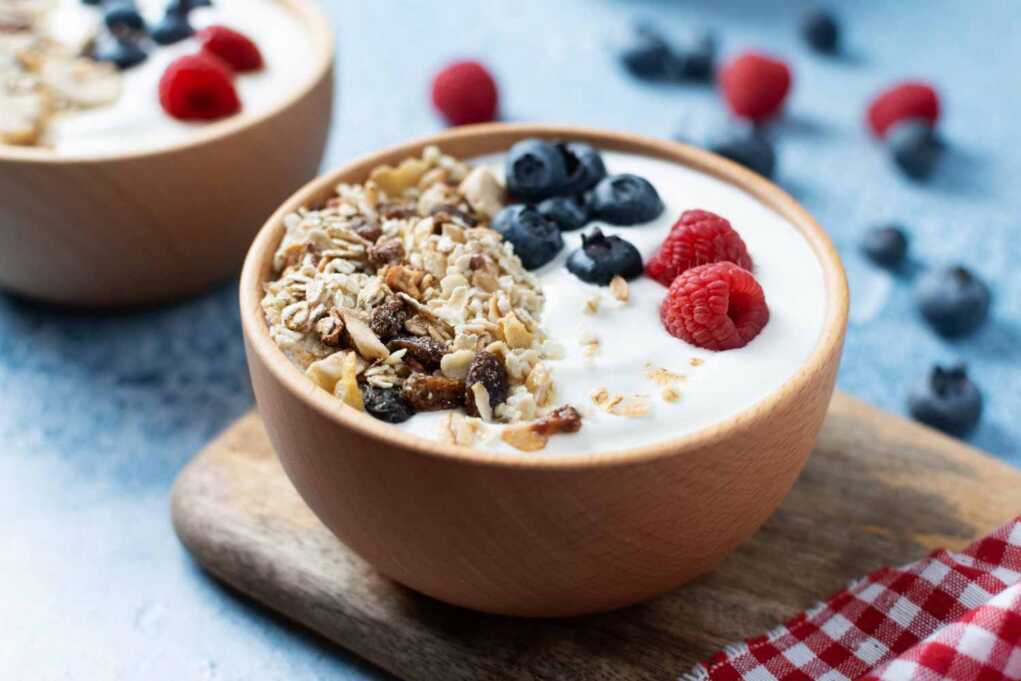
Colon cancer, also known as colorectal cancer, is one of the most common cancers worldwide. While genetics and age can influence a person’s risk, researchers have found that lifestyle factors—including diet, physical activity, and regular screenings—play a major role in prevention. As scientists continue exploring the connection between gut health and disease, one food has received increasing attention: yogurt.
Yogurt has long been recognized for its nutritional value, providing protein, calcium, vitamins, and beneficial bacteria known as probiotics. Recent studies suggest that these probiotics may help support a healthier gut microbiome, which could influence the development of certain types of colon cancer. Although yogurt is not a cure or guaranteed preventive measure, emerging evidence indicates it may be one useful component of a broader colon-healthy lifestyle.
Understanding the Link Between Yogurt and Colon Health
The human digestive tract contains trillions of microorganisms that help regulate digestion, immunity, and inflammation. A healthy balance of these microbes is essential for maintaining the integrity of the intestinal lining and supporting overall health. Researchers believe disruptions in the gut microbiome may contribute to inflammation and increase the risk of colorectal cancer.
Yogurt contains live cultures of beneficial bacteria, including strains of Lactobacillus and Bifidobacterium. These probiotics may help maintain a balanced gut environment by reducing harmful bacteria, supporting the intestinal barrier, and decreasing inflammation. Scientists have proposed that these effects could lower the likelihood of certain cancer-promoting processes occurring in the colon.
What the Research Shows
A large long-term study conducted by researchers from Harvard T.H. Chan School of Public Health and Mass General Brigham followed more than 150,000 participants over several decades. The researchers found that individuals who consumed yogurt two or more times per week had a lower risk of developing a specific subtype of colorectal cancer associated with the bacterium Bifidobacterium. The protective effect appeared particularly strong for tumors located in the proximal, or right-sided, colon.
Importantly, the study did not show that yogurt reduced the overall risk of all colorectal cancers. Instead, it suggested that regular yogurt consumption may help protect against certain tumor types through its influence on the gut microbiome. Researchers emphasized that the findings demonstrate an association rather than direct proof of cause and effect. More clinical studies are needed before yogurt can be considered a proven cancer-prevention strategy.
Why Probiotics May Matter
Probiotics are living microorganisms that can provide health benefits when consumed in adequate amounts. In yogurt, these beneficial bacteria may help improve microbial diversity, strengthen the intestinal barrier, and reduce chronic inflammation. Since chronic inflammation has been linked to cancer development, reducing inflammatory activity within the digestive tract could potentially lower cancer risk over time.
Additionally, yogurt is a source of calcium, a nutrient that has been associated with a reduced risk of colorectal cancer in several studies. Calcium may help bind potentially harmful substances in the colon and reduce their ability to damage intestinal cells. This means the benefits of yogurt may come not only from probiotics but also from its nutritional profile.
Yogurt Is Only One Piece of the Puzzle
While the research surrounding yogurt is encouraging, experts agree that no single food can prevent colon cancer. The strongest evidence for reducing colorectal cancer risk continues to support a combination of healthy habits. These include eating a fiber-rich diet, limiting processed and red meats, maintaining a healthy weight, staying physically active, avoiding smoking, moderating alcohol consumption, and undergoing recommended screening tests.
For individuals who enjoy yogurt, choosing varieties that contain live and active cultures and minimal added sugars may offer the greatest health benefits. Plain yogurt and Greek yogurt are often recommended because they provide probiotics without excessive sugar intake.
Conclusion
Current research suggests that regular yogurt consumption may contribute to a healthier gut microbiome and could help reduce the risk of certain forms of colon cancer. However, yogurt should be viewed as part of an overall healthy lifestyle rather than a standalone preventive measure. Maintaining a balanced diet, exercising regularly, and following recommended colorectal cancer screening guidelines remain the most effective ways to protect long-term colon health.
Sources:
- Mayo Clinic – Colon Cancer Prevention
https://www.mayoclinic.org/diseases-conditions/colon-cancer/in-depth/colon-cancer-prevention/art-20595014 - Harvard T.H. Chan School of Public Health – Regular Yogurt Consumption May Reduce Colon Cancer Risk
https://hsph.harvard.edu/news/regular-yogurt-consumption-may-reduce-colon-cancer-risk/ - WebMD – Can Yogurt Help Prevent Colon Cancer?
https://www.webmd.com/colorectal-cancer/features/can-yogurt-help-colon-cancer - Cleveland Clinic – Colon Cancer (Colorectal Cancer)
https://my.clevelandclinic.org/health/diseases/14501-colorectal-colon-cancer - Harvard Health Publishing – How to Prevent Colorectal Cancer
https://www.health.harvard.edu/cancer/how-to-prevent-colorectal-cancer
Disclaimer
The watching, interacting, and participation of any kind with anything on this page does not constitute or initiate a doctor-patient relationship with Dr. Farrah™. None of the statements here have been evaluated by the Food and Drug Administration (FDA). The products of Dr. Farrah™ are not intended to diagnose, treat, cure, or prevent any disease. The information being provided should only be considered for education and entertainment purposes only. If you feel that anything you see or hear may be of value to you on this page or on any other medium of any kind associated with, showing, or quoting anything relating to Dr. Farrah™ in any way at any time, you are encouraged to and agree to consult with a licensed healthcare professional in your area to discuss it. If you feel that you’re having a healthcare emergency, seek medical attention immediately. The views expressed here are simply either the views and opinions of Dr. Farrah™ or others appearing and are protected under the first amendment.
Dr. Farrah™ is a highly experienced Licensed Medical Doctor certified in evidence-based clinical nutrition, not some enthusiast, formulator, or medium promoting the wild and unrestrained use of nutrition products for health issues without clinical experience and scientific evidence of therapeutic benefit. Dr. Farrah™ has personally and keenly studied everything she recommends, and more importantly, she’s closely observed the reactions and results in a clinical setting countless times over the course of her career involving the treatment of over 150,000 patients.
Dr. Farrah™ promotes evidence-based natural approaches to health, which means integrating her individual scientific and clinical expertise with the best available external clinical evidence from systematic research. By individual clinical expertise, I refer to the proficiency and judgment that individual clinicians acquire through clinical experience and clinical practice.
Dr. Farrah™ does not make any representation or warranties with respect to the accuracy, applicability, fitness, or completeness of any multimedia content provided. Dr. Farrah™ does not warrant the performance, effectiveness, or applicability of any sites listed, linked, or referenced to, in, or by any multimedia content.
To be clear, the multimedia content is not intended to be a substitute for professional medical advice, diagnosis, or treatment. Always seek the advice of your physician or other qualified health providers with any questions you may have regarding a medical condition. Never disregard professional medical advice or delay in seeking it because of something you have read or seen in any website, video, image, or media of any kind. Dr. Farrah™ hereby disclaims any and all liability to any party for any direct, indirect, implied, punitive, special, incidental, or other consequential damages arising directly or indirectly from any use of the content, which is provided as is, and without warranties.