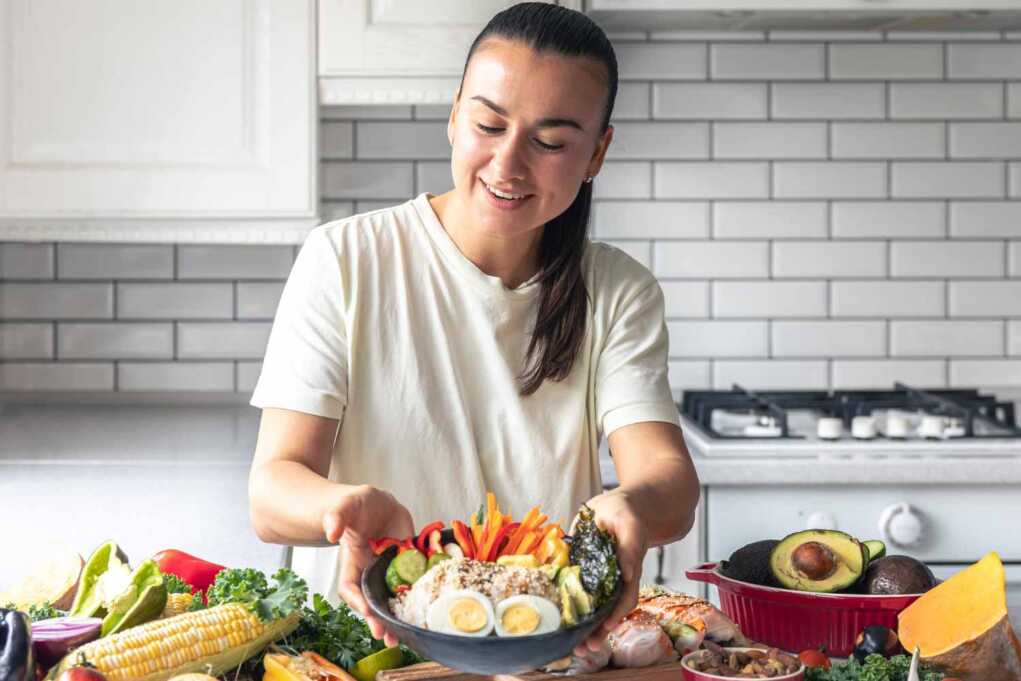
In recent years, the phrase “clean eating” has become a popular catch-phrase in the world of nutrition and wellness. At its core, clean eating encourages choosing foods in their more natural, minimally processed state. Think fresh fruits and vegetables, whole grains, lean proteins and healthy fats—rather than highly processed convenience foods loaded with additives, sugar or saturated fat. For example, one health system describes clean eating as eating foods “as close as possible to their natural state” to maximize nutrient intake. It’s an appealing idea: if we fuel our bodies with more of the real stuff, maybe we’ll feel better, have more energy, and reduce our risk of chronic disease.
But as simple as the idea sounds, things get complicated when you dig a little deeper. Because “clean eating” is not a formally defined diet-plan or regulated term, what it means can vary widely from person to person (and from marketing campaign to wellness influencer). That vagueness brings both opportunity and risk: it allows for flexibility, but also for misunderstanding, unrealistic expectations, and even harmful guilt when the elusive “clean” ideal isn’t met. In this article, we’ll unpack what clean eating generally means, what the potential benefits are, and what the caveats and limitations might be.
What Does Clean Eating Typically Entail?
At its simplest, clean eating emphasizes whole or minimally processed foods—those that are closer to their original state rather than heavily altered, packaged or laden with artificial ingredients. For example, one health site explains that ideally a “clean diet” includes fruits, vegetables, whole grains, lean protein and healthy fats, while limiting ultra-processed snacks or foods with long ingredient lists and added sugar or salt. Choosing foods with fewer additives or preservatives, cooking from scratch, reading labels, avoiding foods with ingredients you struggle to pronounce—all of these tend to be behaviors aligned with clean eating.
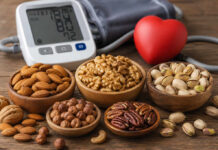
In practice, this might mean meals built around fresh produce, beans or legumes, lean meats or plant proteins, whole grains (like brown rice or oats), nuts or seeds, and minimal added sauces, syrups or highly processed snacks. One guide recommends buying foods with five ingredients or less on the label, cooking from scratch when possible, and avoiding packaged foods with heavy additives. The idea isn’t necessarily perfection, but striving for a dietary pattern where more of your food comes from recognizable, minimally processed sources.
Potential Benefits of Clean Eating
There are several reasons why the shift toward “cleaner” eating is supported by nutrition professionals and backed by evidence. For one, diets rich in fruits, vegetables, whole grains, lean proteins and healthy fats have been consistently associated with better outcomes: improved heart health, better weight management, improved blood sugar control, and lower rates of certain chronic diseases. Since clean eating aligns with these food types it naturally borrows many of these benefits.
Moreover, choosing minimally processed foods often means lower intake of added sugars, sodium and saturated fat—key contributors to poor health when consumed in excess. Being more mindful of food sources, ingredients and preparation can also increase awareness and promote positive, sustainable changes in eating behavior. For many people, adopting clean-eating principles is less about rigid restriction and more about elevating the quality of their diet in a manageable way.
Cautions, Limitations & Potential Pitfalls
However, clean eating is not without its criticisms and potential drawbacks—and it’s important to proceed thoughtfully. Because “clean” isn’t a regulated term and has no standard definition, some variations end up being overly restrictive, treating entire food groups as off-limits or creating moral judgments around food (“clean” vs “dirty”). One article from a nutrition-science perspective warns that extreme interpretations of clean eating can lead to nutritional deficiencies, eating disorders (such as orthorexia), and can create unnecessary stress or guilt.
Another issue is accessibility and the “elitism” problem: The expectation of all organic, locally-sourced, minimally processed foods can be unrealistic for many people because of cost, time, availability or lifestyle constraints. Some critics argue that this can create divides or feelings of inadequacy among people who can’t meet that ideal.
Furthermore, while eating more whole foods is undeniably good, the clean-eating label does not guarantee nourishment or health on its own. For example, a food with very few ingredients could still be very high in sugar or unhealthy fat—but marketed as “clean.” This highlights the need to pay attention to overall nutrient quality, portion size, and balance—not just the label.
Practical Tips for Adopting a Balanced Clean-Eating Approach
Here are some practical, balanced tips if you’re interested in embracing the clean-eating mindset without falling into extreme or unsustainable territory:
- Focus on inclusion rather than exclusion: Add more whole foods (fruits, vegetables, whole grains, legumes, nuts/seeds) rather than fixating on “banning” foods.
- Read ingredient lists: Foods with shorter, recognizable ingredient lists are generally better choices—but also consider nutrient content (sugar, saturated fat, sodium).
- Cook more at home: When you prepare meals yourself you can control the ingredients, portion sizes and processing level.
- Allow flexibility: It’s okay to have convenience food or treats occasionally—rigidity itself can be harmful. So, treat clean eating as a spectrum, not perfection.
- Tailor to your lifestyle: Consider time, budget, access to fresh foods, cooking skills—and make changes that you can sustain long-term rather than adopt a “one-size-fits-all” plan.
- If needed, consult a registered dietitian or nutrition professional: Especially if you have specific health conditions, dietary restrictions, or risks for disordered eating—professional guidance ensures your clean-eating approach stays safe and effective.
Conclusion
In essence, clean eating is less a rigid diet and more a thoughtful, flexible way of choosing foods—emphasizing minimally processed, nutrient-dense items and reducing the ultra-processed stuff. When approached sensibly, it can support improved nutrition, better health and greater awareness of what we eat. But because the term “clean eating” is loosely defined and sometimes misused, it’s important to avoid the traps of perfectionism, food moralizing, or ignoring the practicalities of everyday life. Strive for progress rather than perfection—and remember that balanced nutrition is always more sustainable (and healthier) than an idealized version of “clean.”
Sources:
- Mayo Clinic Health System – “Clean eating: What does that mean?” https://www.mayoclinichealthsystem.org/hometown-health/speaking-of-health/clean-eating-what-does-that-mean Mayo Clinic Health System
- Harvard T.H. Chan School of Public Health – “Clean Eating • The Nutrition Source” https://nutritionsource.hsph.harvard.edu/clean-eating/ Nutrition Source
- Harvard Health (Harvard Medical School) – “Clean eating: The good and the bad” https://www.health.harvard.edu/staying-healthy/clean-eating-the-good-and-the-bad Harvard Health
- Allina Health – “Clean eating” https://www.allinahealth.org/healthysetgo/nourish/clean-eating Allina Health
- MDLinx (via Health & Nutrition) – “Is ‘clean eating’ a beneficial health trend or a dangerous fad?” https://www.mdlinx.com/article/is-clean-eating-a-beneficial-health-trend-or-a-dangerous-fad/1rnZVnWOg04joDprzPPZPA MDLinx
Disclaimer
The watching, interacting, and participation of any kind with anything on this page does not constitute or initiate a doctor-patient relationship with Dr. Farrah™. None of the statements here have been evaluated by the Food and Drug Administration (FDA). The products of Dr. Farrah™ are not intended to diagnose, treat, cure, or prevent any disease. The information being provided should only be considered for education and entertainment purposes only. If you feel that anything you see or hear may be of value to you on this page or on any other medium of any kind associated with, showing, or quoting anything relating to Dr. Farrah™ in any way at any time, you are encouraged to and agree to consult with a licensed healthcare professional in your area to discuss it. If you feel that you’re having a healthcare emergency, seek medical attention immediately. The views expressed here are simply either the views and opinions of Dr. Farrah™ or others appearing and are protected under the first amendment.
Dr. Farrah™ is a highly experienced Licensed Medical Doctor certified in evidence-based clinical nutrition, not some enthusiast, formulator, or medium promoting the wild and unrestrained use of nutrition products for health issues without clinical experience and scientific evidence of therapeutic benefit. Dr. Farrah™ has personally and keenly studied everything she recommends, and more importantly, she’s closely observed the reactions and results in a clinical setting countless times over the course of her career involving the treatment of over 150,000 patients.
Dr. Farrah™ promotes evidence-based natural approaches to health, which means integrating her individual scientific and clinical expertise with the best available external clinical evidence from systematic research. By individual clinical expertise, I refer to the proficiency and judgment that individual clinicians acquire through clinical experience and clinical practice.
Dr. Farrah™ does not make any representation or warranties with respect to the accuracy, applicability, fitness, or completeness of any multimedia content provided. Dr. Farrah™ does not warrant the performance, effectiveness, or applicability of any sites listed, linked, or referenced to, in, or by any multimedia content.
To be clear, the multimedia content is not intended to be a substitute for professional medical advice, diagnosis, or treatment. Always seek the advice of your physician or other qualified health providers with any questions you may have regarding a medical condition. Never disregard professional medical advice or delay in seeking it because of something you have read or seen in any website, video, image, or media of any kind. Dr. Farrah™ hereby disclaims any and all liability to any party for any direct, indirect, implied, punitive, special, incidental, or other consequential damages arising directly or indirectly from any use of the content, which is provided as is, and without warranties.