
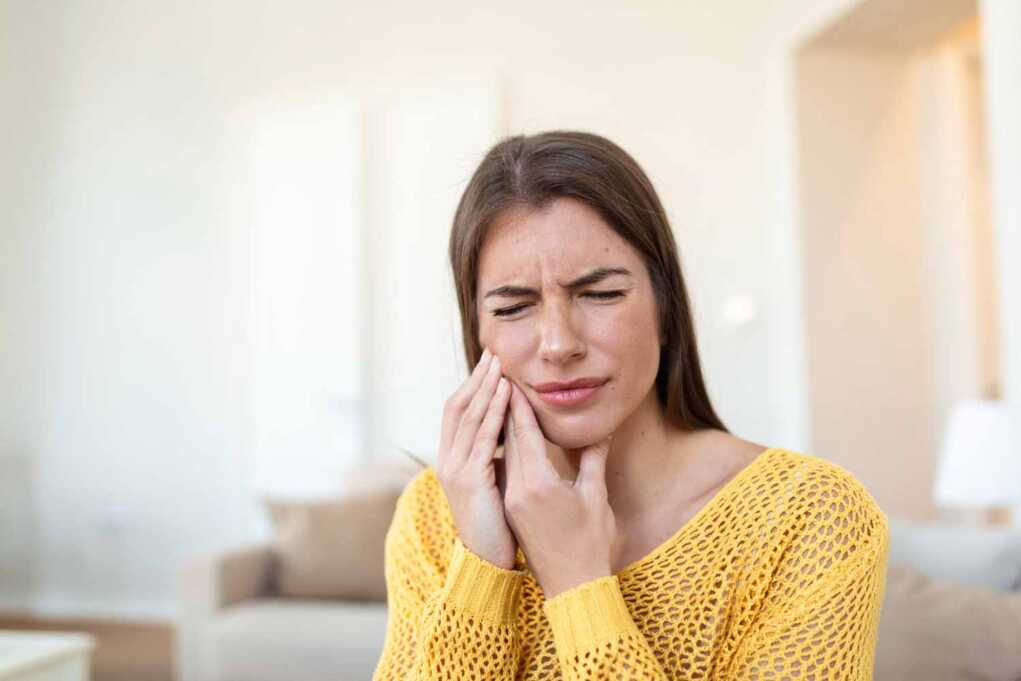
Tooth sensitivity—commonly described as a sudden, sharp pain in response to hot, cold, sweet, or acidic foods and drinks—is a widespread dental complaint that affects millions of people worldwide. Whether it’s a jolt from ice cream or a sting from brushing, the discomfort can range from mild irritation to severe, persistent pain. Though often dismissed as a minor issue, tooth sensitivity can signal underlying dental problems that require attention.
Understanding what causes sensitive teeth is the first step to effective treatment. From enamel erosion and gum recession to habits like teeth grinding or overuse of whitening products, the triggers are varied but manageable. Fortunately, advancements in both at-home and professional care have made it easier than ever to treat and prevent sensitivity, restoring comfort and confidence to your smile.
Common Causes of Tooth Sensitivity
- Enamel Erosion
Over time, consumption of acidic foods and beverages—such as citrus fruits, soda, wine, and sports drinks—can weaken enamel and expose the dentin beneath, which is more sensitive to stimuli. - Gum Recession / Root Exposure
When gums recede due to aggressive brushing, gum disease, tobacco use, or aging, the root surfaces—unprotected by enamel—are exposed, increasing sensitivity. - Cavities, Cracks, or Dental Damage
Decay, tiny cracks, fractured restorations, and chipped teeth expose the sensitive inner layers or nerves, triggering pain. - Teeth Whitening or Dental Procedures
Whitening products, fillings, cleanings, crowns, or other treatments can temporarily increase sensitivity—though typically short-lived, persistent pain should be evaluated by a dentist. - Bruxism (Teeth Grinding)
Grinding or clenching, often during sleep, wears down enamel and contributes to gum recession and enamel loss. - Additional Factors
- Plaque buildup or gum infections (e.g., gingivitis or periodontitis)
- Dry mouth or acid reflux (GERD), which expose enamel to acidic environments repeatedly.
Smart Remedies: Home & Professional Care
At-Home Remedies
- Desensitizing Toothpaste: Contains compounds like potassium nitrate or stannous fluoride that block nerve transmission and reduce sensitivity over time.
- Gentle Brushing & Soft-Bristle Toothbrush: Use gentle, circular strokes with a soft-bristle brush to minimize enamel wear and gum irritation.
- Limit Acidic Exposures: Reduce intake of acidic foods and rinse with water after consumption; use a straw when drinking acidic beverages; wait 30–60 minutes before brushing to avoid brushing softened enamel.
- Night Guard for Grinding: If you clench or grind your teeth, wearing a night guard can protect enamel and reduce sensitivity.
Professional Treatments
- Fluoride Applications: Professional-strength fluoride helps remineralize enamel and ease sensitivity.
- Bonding or Sealants: A dentist can apply protective surfaces to cover exposed dentin or root surfaces, reducing exposure to triggers.
- Gum Grafting: In cases of severe recession, gum tissue is grafted to protect roots and reduce sensitivity.
- Root Canal Therapy: For persistent, severe sensitivity that doesn’t respond to other treatments, root canal therapy may be a solution.
Prevention: Your Best Defense
- Consistent Oral Hygiene: Brush gently (twice daily), floss regularly, and use fluoride toothpaste.
- Regular Dental Check-Ups: Early detection can prevent minor sensitivity from becoming serious dental issues.
- Lifestyle Adjustments: Manage acid reflux, limit smoking, manage stress (to reduce grinding), and avoid overuse of whitening agents and harsh mouthwashes.
Quick Reference Table
| Cause | Why It Matters | Remedies |
| Enamel erosion | Exposes dentin and nerves | Avoid acids, floss, fluoride toothpaste |
| Gum recession | Roots unprotected by enamel | Gentle brushing, dental graft if needed |
| Cavities or cracks | Allows sensation to reach nerves | Dental treatment—fillings, crowns |
| Whitening & procedures | Temporarily increases sensitivity | Desensitizing toothpaste, consult dentist |
| Bruxism (grinding) | Wears down enamel and damages gums | Night guard, stress management |
| GERD / acid exposure | Repeated acid contact erodes enamel | Medical treatment + oral hygiene adjustments |
In Summary
Tooth sensitivity is more than just an inconvenience—it’s often an early warning sign. Fortunately, with a combination of gentle oral care, dietary mindfulness, over-the-counter remedies, and professional interventions, it’s usually manageable. Persisting or worsening symptoms deserve a dental evaluation to prevent lasting complications.
Sources:
- Mayo Clinic – “What causes sensitive teeth, and how can I treat them?” Mayo Clinic
- Cleveland Clinic – “Sensitive Teeth: Causes, Treatment & Prevention” Cleveland Clinic
- Health.com – “Understanding Tooth Sensitivity: Causes and Remedies” Health
- Verywell Health – “Sensitive Teeth: Causes and Treatment” Verywell Health
- Self (SELF magazine) – “5 Reasons Your Teeth Are So Agonizingly Sensitive” SELF
Disclaimer
The watching, interacting, and participation of any kind with anything on this page does not constitute or initiate a doctor-patient relationship with Dr. Farrah™. None of the statements here have been evaluated by the Food and Drug Administration (FDA). The products of Dr. Farrah™ are not intended to diagnose, treat, cure, or prevent any disease. The information being provided should only be considered for education and entertainment purposes only. If you feel that anything you see or hear may be of value to you on this page or on any other medium of any kind associated with, showing, or quoting anything relating to Dr. Farrah™ in any way at any time, you are encouraged to and agree to consult with a licensed healthcare professional in your area to discuss it. If you feel that you’re having a healthcare emergency, seek medical attention immediately. The views expressed here are simply either the views and opinions of Dr. Farrah™ or others appearing and are protected under the first amendment.
Dr. Farrah™ is a highly experienced Licensed Medical Doctor certified in evidence-based clinical nutrition, not some enthusiast, formulator, or medium promoting the wild and unrestrained use of nutrition products for health issues without clinical experience and scientific evidence of therapeutic benefit. Dr. Farrah™ has personally and keenly studied everything she recommends, and more importantly, she’s closely observed the reactions and results in a clinical setting countless times over the course of her career involving the treatment of over 150,000 patients.
Dr. Farrah™ promotes evidence-based natural approaches to health, which means integrating her individual scientific and clinical expertise with the best available external clinical evidence from systematic research. By individual clinical expertise, I refer to the proficiency and judgment that individual clinicians acquire through clinical experience and clinical practice.
Dr. Farrah™ does not make any representation or warranties with respect to the accuracy, applicability, fitness, or completeness of any multimedia content provided. Dr. Farrah™ does not warrant the performance, effectiveness, or applicability of any sites listed, linked, or referenced to, in, or by any multimedia content.
To be clear, the multimedia content is not intended to be a substitute for professional medical advice, diagnosis, or treatment. Always seek the advice of your physician or other qualified health providers with any questions you may have regarding a medical condition. Never disregard professional medical advice or delay in seeking it because of something you have read or seen in any website, video, image, or media of any kind. Dr. Farrah™ hereby disclaims any and all liability to any party for any direct, indirect, implied, punitive, special, incidental, or other consequential damages arising directly or indirectly from any use of the content, which is provided as is, and without warranties.