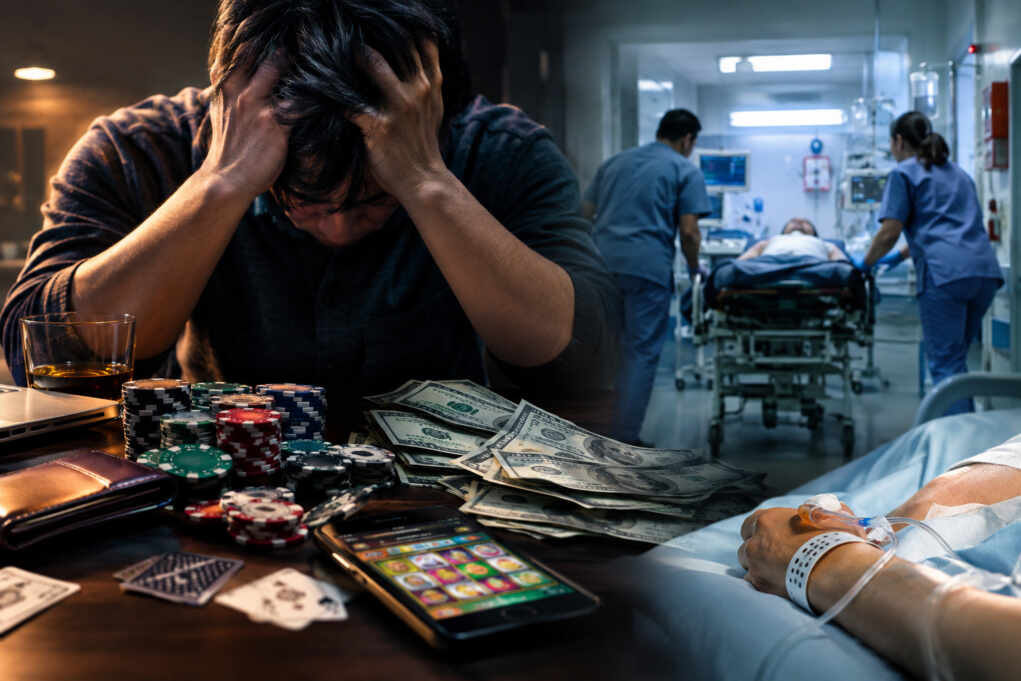
Gambling is often portrayed as harmless entertainment, a thrilling way to win money, or a social activity that brings people together. But as sports betting, online casinos, and mobile gambling platforms become increasingly accessible, the consequences of excessive gambling are drawing greater attention from health professionals. For some people, what begins as an occasional wager can spiral into compulsive behavior, mounting debt, severe emotional distress, and serious health complications. The growing concern is not just about lost money—it is about how gambling-related harm can affect mental health, physical well-being, and, in some circumstances, lead people to seek emergency medical care.
The connection between gambling and emergency room visits is complex, involving more than gambling losses alone. Gambling-related distress can contribute to anxiety, depression, sleep deprivation, substance misuse, and suicidal thoughts. Financial crises and relationship breakdowns can intensify these problems, creating situations that require urgent medical or psychiatric intervention. Although gambling does not automatically lead to an emergency department visit, understanding its potential health consequences is essential as betting becomes easier to access. Examining the warning signs, risk factors, and available treatments can help individuals, families, and healthcare providers recognize when gambling has become a serious health concern.
Why Gambling-Related Health Emergencies Are Becoming a Growing Concern
The expansion of digital betting has changed how people gamble, making it possible to place wagers at nearly any time of day. Sports betting apps, online casinos, and instant payment options have reduced many of the barriers that once limited gambling. While accessibility alone does not cause gambling disorder, it can make it easier for vulnerable individuals to gamble frequently, spend more than intended, and struggle to stop.
The World Health Organization (WHO) identifies gambling as a public health concern because its harms extend beyond individual gamblers to their families and communities. These harms include financial distress, mental health problems, relationship breakdown, and suicide. However, it is important to distinguish between growing concern about gambling-related health emergencies and evidence of a measured increase in emergency department visits specifically attributable to gambling. The extent of the problem varies by population and healthcare system.
How Gambling Can Lead to an Emergency Room Visit
Gambling-related emergencies can develop through several pathways. Some involve immediate psychological crises, while others arise from the physical effects of prolonged stress, substance use, or the circumstances surrounding severe financial losses.
1. Severe Anxiety and Panic Attacks
Losing substantial amounts of money can trigger intense fear, shame, and uncertainty. People who gamble compulsively may worry about unpaid bills, debt collectors, strained relationships, or the consequences of concealing their losses.
These pressures can contribute to panic attacks, rapid heart rate, chest discomfort, dizziness, and shortness of breath. Because these symptoms can resemble those of a heart attack or another serious medical condition, emergency evaluation may be necessary.
Not every episode of anxiety requires emergency treatment. However, sudden chest pain, severe breathing difficulties, fainting, or other potentially life-threatening symptoms should never be dismissed as stress without appropriate medical assessment.
2. Depression and Suicidal Thoughts
One of the most serious consequences of gambling-related harm is the risk of a mental health crisis.
Repeated losses, overwhelming debt, and feelings of hopelessness can contribute to depression and emotional distress. Some people may believe they have exhausted every option for repairing their financial situation, especially when they have hidden their gambling from loved ones.
Clinical guidance from the UK’s National Institute for Health and Care Excellence recognizes gambling-related harm as an important risk factor for suicidal thoughts and suicide attempts, including among people who may not have other obvious risk factors.
When someone experiences suicidal thoughts, threatens self-harm, or feels unable to remain safe, immediate professional support is essential. Emergency departments can assess immediate danger, provide crisis intervention, and connect patients with appropriate mental health services.
3. Sleep Deprivation and Physical Exhaustion
Online gambling can continue late into the night, particularly when users have constant access to betting platforms or feel compelled to recover their losses.
Repeatedly sacrificing sleep can affect concentration, judgment, emotional regulation, and daily functioning. Over time, inadequate sleep may worsen existing mental health difficulties and make it harder to manage stress.
Physical exhaustion alone does not mean a person will need emergency care. However, severe sleep deprivation combined with confusion, substance use, or other concerning symptoms may warrant urgent medical assessment.
4. Alcohol and Substance Use
Some people gamble while drinking alcohol or using other substances to cope with anxiety, disappointment, or financial stress. Others may use substances to prolong gambling sessions or temporarily escape the emotional consequences of their losses.
Combining gambling-related distress with substance misuse can increase the likelihood of accidents, impaired judgment, and dangerous behavior.
An emergency department may need to treat acute intoxication, injuries, poisoning, or other complications. Healthcare professionals may also need to address the underlying gambling behavior and any co-occurring mental health conditions to reduce the risk of further crises.
5. Physical Symptoms Linked to Chronic Stress
Long-term financial uncertainty and emotional distress can affect sleep, appetite, energy levels, and overall well-being. People experiencing gambling-related harm may neglect their health, postpone medical appointments, or struggle to maintain healthy routines.
Stress can also worsen existing medical conditions. Nevertheless, the relationship between gambling and physical illness is complex, and symptoms should not automatically be attributed to gambling.
The key concern is that gambling-related problems can create a combination of psychological, behavioral, and physical pressures that may eventually require medical attention.
The Role of Online Sports Betting and Gambling Apps
The growth of online gambling has raised important questions about how technology influences betting behavior.
Traditional gambling often required a person to travel to a casino, betting shop, or other physical venue. Online platforms allow people to place wagers from home, during breaks at work, or while watching live sporting events.
Several features may make gambling harder to control for some users:
- Constant availability: Gambling platforms can be accessed at almost any hour, creating more opportunities for repeated betting.
- Rapid betting cycles: Quick deposits and frequent wagers can make it difficult to keep track of cumulative spending.
- Instant financial transactions: Digital payments may reduce the immediate psychological impact of handing over cash.
- Live betting: Wagers placed during sporting events can encourage repeated decisions under emotional pressure.
- Promotional incentives: Bonuses, notifications, and targeted marketing may encourage users to return to gambling platforms.
These features do not affect everyone in the same way. However, the WHO has highlighted the role of digitization, commercialization, and marketing in the growing normalization of gambling.
For people already experiencing gambling-related harm, the convenience of mobile betting can make it harder to establish boundaries or take a sustained break.
Who Is Most at Risk of Gambling-Related Health Problems?
Gambling disorder can affect people across different ages, occupations, and income levels. It is not limited to individuals who are financially struggling, and a person does not need to lose everything before gambling becomes harmful.
Some circumstances may increase vulnerability, including:
- A history of depression, anxiety, or other mental health difficulties.
- Previous problems with alcohol or other substances.
- Financial hardship, unemployment, or significant life changes.
- A family history of gambling problems or other addictive behaviors.
- Frequent exposure to gambling opportunities and promotional content.
- Difficulty controlling impulses or managing distress.
According to the WHO, gambling-related harm can affect people who gamble as well as family members and others around them. Household finances may suffer when money intended for rent, food, healthcare, or education is diverted to betting.
It is also important to recognize that gambling-related harm can occur even when someone does not meet the formal diagnostic criteria for gambling disorder. Repeatedly spending money needed for essential expenses is a warning sign in its own right.
Warning Signs That Gambling Has Become a Health Problem
Recognizing the early signs of problem gambling can help prevent further harm and make treatment easier to access.
Common warning signs include:
- Thinking about gambling throughout the day or feeling compelled to place another bet.
- Increasing wager amounts to experience the same excitement.
- Repeatedly trying to stop or reduce gambling without success.
- Chasing losses in an attempt to recover money.
- Borrowing money, selling possessions, or using essential household funds to gamble.
- Hiding gambling activity or lying about losses.
- Neglecting work, education, family responsibilities, or personal health.
- Experiencing persistent anxiety, depression, irritability, or hopelessness related to gambling.
These behaviors do not automatically establish a diagnosis, but they indicate that a person may benefit from professional assessment.
Friends and family members may notice changes before the person gambling recognizes the severity of the problem. Approaching the situation with empathy rather than blame can make it easier to discuss treatment and support.
How Emergency Departments Can Help
Emergency departments play an important role when gambling-related problems develop into acute medical or psychiatric crises.
Depending on the person’s symptoms, healthcare professionals may:
- Assess immediate medical risks, including chest pain, intoxication, injuries, or other urgent symptoms.
- Evaluate mental health concerns, including severe anxiety, depression, and suicidal thoughts.
- Provide stabilization and crisis intervention when necessary.
- Identify potential substance use or other co-occurring conditions.
- Refer the patient to mental health professionals, addiction services, or community support.
Emergency treatment can address an immediate crisis, but it may not resolve the underlying gambling behavior. Follow-up care is often essential to help reduce the risk of recurring problems.
Healthcare providers can also play a role in identifying gambling-related harm earlier. Asking patients about gambling habits, financial stress, and mental health symptoms may reveal problems that would otherwise remain hidden.
Treatment Options for Gambling Disorder
Gambling disorder is a recognized mental health condition, and effective treatment options are available. Seeking help does not require waiting until someone experiences a medical emergency or reaches financial ruin.
Cognitive Behavioral Therapy
Cognitive behavioral therapy (CBT) is commonly used to treat gambling disorder. It helps individuals identify the thoughts, emotions, and behaviors that contribute to harmful gambling patterns.
Treatment may focus on recognizing triggers, challenging beliefs about winning and recovering losses, developing coping strategies, and preventing relapse.
Motivational Interviewing
Motivational interviewing can help people explore their reasons for gambling, recognize its consequences, and build motivation to change their behavior.
This approach may be particularly useful for people who feel conflicted about seeking help or are not yet ready to stop gambling completely.
Peer Support and Counseling
Support groups and counseling can help individuals feel less isolated and learn from others who have experienced similar difficulties.
Family counseling may also help repair damaged relationships, improve communication, and establish healthier financial boundaries.
Financial and Practical Support
Addressing gambling-related debt can be an important part of recovery. Practical measures may include limiting access to gambling funds, using bank gambling blocks where available, activating self-exclusion tools, and seeking reputable debt advice.
These steps can reduce immediate opportunities to gamble while professional treatment addresses the underlying behavior.
Treatment for Co-Occurring Conditions
People experiencing gambling disorder may also need care for depression, anxiety, substance use, or other mental health conditions.
Treatment should be tailored to the individual’s needs rather than focusing exclusively on gambling. Coordinated care can help address the wider circumstances contributing to distress and improve long-term well-being.
How to Prevent Gambling-Related Emergencies
Preventing severe gambling-related harm requires action from individuals, healthcare providers, families, technology companies, and policymakers.
For individuals, practical steps include setting firm spending limits, avoiding borrowed money for gambling, and taking a break when betting begins to affect sleep, finances, or relationships. If stopping becomes difficult, professional help should be sought early.
Families can help by expressing concerns without humiliation or threats, encouraging honest conversations, and supporting access to treatment. They can also protect essential household finances and seek support for their own emotional well-being.
Healthcare providers can screen for gambling-related harm, assess mental health risks, and connect patients with appropriate services. Meanwhile, public health authorities can improve awareness, access to treatment, and safeguards designed to reduce harmful gambling.
The WHO has emphasized that addressing gambling harm requires more than asking individuals to gamble responsibly. Prevention also involves considering the accessibility of gambling products, commercial practices, and the protections available to consumers.
The Bigger Picture: Gambling Is a Public Health Issue
The consequences of gambling extend beyond individual financial losses. For some people, persistent gambling can contribute to a cycle of debt, emotional distress, relationship problems, and worsening mental health.
Emergency room care is one potential outcome of this cycle, particularly when gambling-related distress leads to a psychiatric crisis, serious physical symptoms, or substance-related complications. However, not every person with a gambling problem will require emergency treatment, and the broader evidence on gambling harm should not be confused with a verified nationwide increase in gambling-specific ER visits.
What is clear is that gambling-related harm deserves recognition as a serious public health concern. Early identification, accessible mental health services, effective prevention strategies, and compassionate support can help people seek care before their problems escalate.
Most importantly, gambling addiction should not be treated as a personal failure. It is a condition that can affect people from many backgrounds, and recovery is possible with appropriate help.
If you or someone you know is experiencing a gambling-related crisis, seek professional assistance promptly. If there is immediate danger, a suspected medical emergency, or a risk of suicide or self-harm, contact local emergency services or go to the nearest emergency department.
Sources:
- World Health Organization (WHO) — Gambling and its public health impact
- Mayo Clinic — Compulsive gambling: Symptoms and causes
- Mayo Clinic — Compulsive gambling: Diagnosis and treatment
- National Health Service (NHS) — Help for problems with gambling
- Cleveland Clinic — Gambling disorder: Symptoms and treatment
- National Institute for Health and Care Excellence (NICE) — Guidance on gambling-related harms
- National Institute of Mental Health (NIMH) — Emergency department interventions for suicide risk
Website operated and published by:
FAB LTD
Ground Floor, 14 Stewart Dr.
Berea, East London 5241
South Africa
Disclaimer
The watching, interacting, and participation of any kind with anything on this page does not constitute or initiate a doctor-patient relationship with Dr. Farrah™. None of the statements here have been evaluated by the Food and Drug Administration (FDA). The products of Dr. Farrah™ are not intended to diagnose, treat, cure, or prevent any disease. The information being provided should only be considered for education and entertainment purposes only. If you feel that anything you see or hear may be of value to you on this page or on any other medium of any kind associated with, showing, or quoting anything relating to Dr. Farrah™ in any way at any time, you are encouraged to and agree to consult with a licensed healthcare professional in your area to discuss it. If you feel that you’re having a healthcare emergency, seek medical attention immediately. The views expressed here are simply either the views and opinions of Dr. Farrah™ or others appearing and are protected under the First Amendment.
Dr. Farrah™ is a highly experienced Licensed Medical Doctor certified in evidence-based clinical nutrition, not some enthusiast, formulator, or medium promoting the wild and unrestrained use of nutrition products for health issues without clinical experience and scientific evidence of therapeutic benefit. Dr. Farrah™ has personally and keenly studied everything she recommends, and more importantly, she’s closely observed the reactions and results in a clinical setting countless times over the course of her career involving the treatment of over 150,000 patients.
Dr. Farrah™ promotes evidence-based natural approaches to health, which means integrating her individual scientific and clinical expertise with the best available external clinical evidence from systematic research. By individual clinical expertise, I refer to the proficiency and judgment that individual clinicians acquire through clinical experience and clinical practice.
Dr. Farrah™ does not make any representations or warranties with respect to the accuracy, applicability, fitness, or completeness of any multimedia content provided. Dr. Farrah™ does not warrant the performance, effectiveness, or applicability of any sites listed, linked, or referenced to, in, or by any multimedia content.
To be clear, the multimedia content is not intended to be a substitute for professional medical advice, diagnosis, or treatment. Always seek the advice of your physician or other qualified health providers with any questions you may have regarding a medical condition. Never disregard professional medical advice or delay in seeking it because of something you have read or seen in any website, video, image, or media of any kind. Dr. Farrah™ hereby disclaims any and all liability to any party for any direct, indirect, implied, punitive, special, incidental, or other consequential damages arising directly or indirectly from any use of the content, which is provided as is, and without warranties.