Losing weight does not necessarily mean following an extreme diet or cutting out entire food groups. One of the simplest ways to make a healthy eating plan more satisfying is to include enough protein. Protein is an essential nutrient that helps build and maintain muscles, supports many important functions in the body, and can make meals more filling. When included as part of a balanced diet, protein may make it easier to manage hunger and reduce the tendency to snack between meals.
Protein can be particularly helpful during weight loss because it affects both appetite and the way the body processes food. Research and guidance from major health organizations suggest that protein can increase feelings of fullness and help preserve lean muscle while you lose weight. However, eating more protein alone does not guarantee weight loss. The most effective approach is to combine protein-rich foods with vegetables, fruits, whole grains, healthy fats, regular physical activity, and an overall eating pattern that provides an appropriate amount of calories.
Why Protein Can Support Weight Loss
1. Protein Helps You Feel Full Longer
One of the biggest advantages of protein for weight management is its effect on satiety, or the feeling of fullness after eating. Protein generally takes longer to digest than carbohydrates, which can help you stay satisfied between meals.
When you’re less hungry, you’re less likely to reach for snacks or serve yourself unnecessarily large portions. Cleveland Clinic notes that protein can increase fullness and satisfaction after a meal, while Harvard’s Nutrition Source explains that protein-rich foods can slow stomach emptying and help you feel full for longer.
This doesn’t mean protein should replace everything else on your plate. Instead, adding a sensible protein source to meals can make an overall balanced diet more satisfying.
2. Protein May Help Reduce Unnecessary Snacking
Frequent hunger can make weight loss difficult, particularly when snacks are high in calories but low in nutritional value. Building meals around filling foods can make it easier to control your overall food intake.
For example, a breakfast of Greek yogurt, berries and oats may be more satisfying than a breakfast consisting primarily of refined carbohydrates. Similarly, adding beans, chicken, fish, tofu or eggs to a meal can provide protein alongside other important nutrients.
The NHS recommends prioritizing protein when trying to lose weight because protein can contribute to more filling meals. It also emphasizes that successful weight loss comes from an eating pattern that reduces calorie intake while remaining healthy and practical enough to maintain.
3. Protein Helps Preserve Lean Muscle
Weight loss involves losing body weight, but ideally much of the weight lost comes from body fat rather than muscle. Protein plays an important role in maintaining and repairing muscle tissue.
Eating adequate protein while losing weight may therefore help support lean body mass. Harvard’s Nutrition Source notes that higher protein intake appears to help preserve lean muscle during weight loss, while Cleveland Clinic also identifies maintaining lean body mass as one of the potential benefits of adequate protein intake.
Combining adequate protein with resistance exercises such as strength training can be especially useful for maintaining muscle as you lose weight.
4. Your Body Uses Energy to Digest Protein
Your body does not use all foods in exactly the same way. Digestion, absorption and processing of food require energy, a process sometimes referred to as the thermic effect of food.
Protein has a higher thermic effect than carbohydrates and fat, meaning the body generally uses more energy to process protein. This can contribute modestly to overall energy expenditure.
It is important not to think of this as a shortcut that “burns off” excess calories. The effect is relatively small. Protein is most useful for weight management because of the combination of improved fullness, nutritional value and support for lean tissue.
The Best Protein Foods for Natural Weight Loss
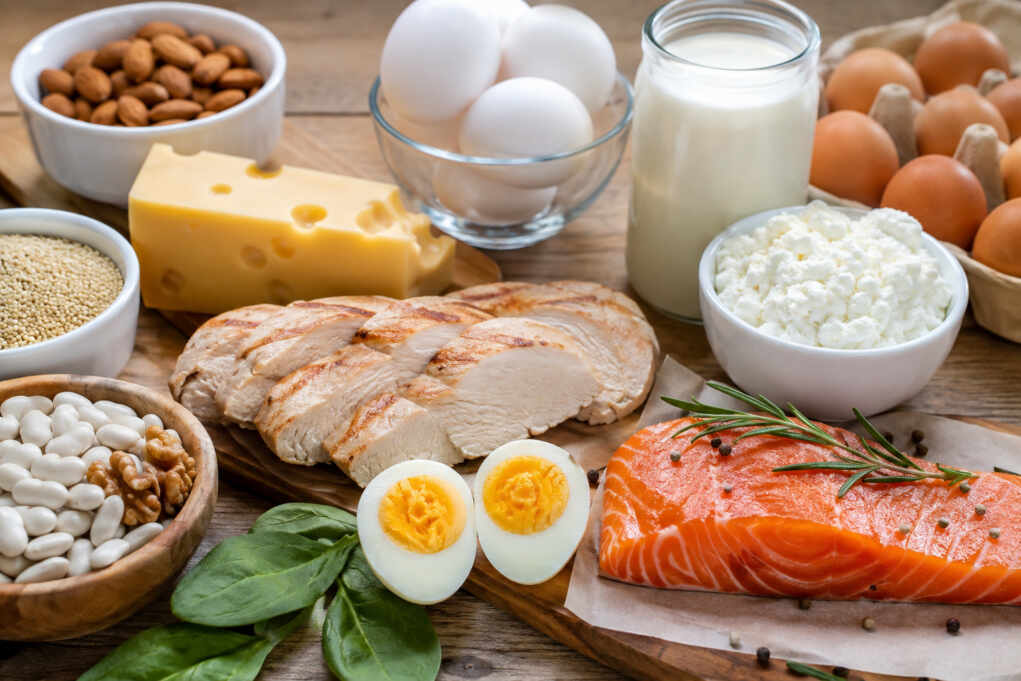
Getting more protein does not mean you need to eat large quantities of meat or rely on protein shakes. A wide variety of foods can provide protein, including both animal and plant sources.
Good choices include:
- Eggs
- Fish and seafood
- Skinless chicken or turkey
- Greek yogurt and other low-fat dairy products
- Beans and lentils
- Tofu and other soy foods
- Nuts and seeds
- Lean meats in moderate portions
The American Heart Association recommends emphasizing a variety of protein sources, particularly plant-based choices such as beans, lentils, nuts, seeds and soy, along with seafood and lean animal proteins if desired. Its current dietary guidance also emphasizes healthy protein sources as part of an overall heart-healthy eating pattern.
The quality of the protein source matters. A meal built around beans, vegetables and whole grains is very different nutritionally from a meal dominated by processed meats. Choosing minimally processed foods can help you get protein while also providing fiber, vitamins, minerals and other beneficial nutrients.
How to Add More Protein to Your Meals
A simple strategy is to make protein a regular part of breakfast, lunch and dinner instead of trying to consume most of it in one meal.
For breakfast, consider eggs with whole-grain toast, Greek yogurt with fruit, or oatmeal topped with nuts and seeds. For lunch, try a salad with chicken, tuna, tofu or beans. At dinner, pair fish, poultry, tofu, lentils or lean meat with plenty of vegetables and a source of whole grains or other nutritious carbohydrates.
You can also use protein-rich foods when you need a snack. Greek yogurt, a boiled egg, a small handful of nuts, or vegetables with hummus can be more satisfying choices than highly processed snack foods.
Mayo Clinic’s nutrition guidance notes that protein can help with fullness during weight loss and suggests that a higher-protein eating pattern does not have to mean eating more meat. Healthy protein can come from foods such as fish, poultry, legumes, eggs and low-fat dairy products.
How Much Protein Do You Need?
There is no single protein target that is appropriate for everyone. Your needs can vary according to factors such as body size, age, activity level and overall health.
The American Heart Association says roughly 10% to 35% of daily calories can come from protein, depending on individual needs and preferences. Rather than obsessing over a precise number, most people can focus on including a reasonable source of protein at each meal while maintaining a varied diet.
If you have a medical condition or have been advised to follow a specific diet, it is best to discuss your protein needs with a doctor or registered dietitian before making major dietary changes.
Protein Is Helpful, But Balance Still Matters
It is easy to assume that if protein helps with weight loss, eating as much protein as possible must be better. That’s not necessarily true.
Very restrictive high-protein diets can leave less room for fruits, vegetables, whole grains and other foods that provide fiber and essential nutrients. Mayo Clinic cautions that some high-protein diets can become problematic when they severely restrict carbohydrates or rely heavily on foods high in saturated fat.
Instead of thinking about protein as a replacement for carbohydrates or fats, think of it as one part of a balanced plate. Pair protein with vegetables, fruit, whole grains and healthy sources of fat. This approach is more likely to provide the nutrients your body needs and create an eating pattern you can maintain over time.
A Simple Protein-Focused Approach to Weight Loss
You don’t need to completely redesign your diet overnight. Start with a few practical changes:
- Include protein at every main meal.
- Choose minimally processed protein sources more often.
- Pair protein with vegetables or fruit for a more nutrient-dense meal.
- Choose beans, lentils, tofu, fish, nuts and seeds regularly.
- Use lean meats and poultry in sensible portions if you eat them.
- Combine healthy eating with regular physical activity.
- Focus on sustainable habits rather than extreme restrictions.
The American Heart Association emphasizes balance, physical activity and sustainable habits as important components of healthy weight management.
The Bottom Line
Protein can be a valuable tool for natural weight loss because it can help you feel full, reduce hunger between meals, support lean muscle and slightly increase the energy your body uses during digestion. Its greatest benefit, however, comes when it is part of an overall healthy eating pattern rather than a stand-alone weight-loss strategy.
Instead of chasing extreme high-protein diets, focus on adding nutritious protein sources to balanced meals. Beans, lentils, fish, eggs, yogurt, tofu, nuts, seeds and lean poultry can all fit into a healthy weight-loss plan. When combined with appropriate portions, plenty of vegetables and fruits, regular movement and sustainable habits, protein can help make the journey toward a healthier weight more satisfying and manageable.
Sources:
- Cleveland Clinic — How Much Protein to Eat to Lose Weight
- Harvard T.H. Chan School of Public Health — Protein, Carbs, and Weight Loss
- Mayo Clinic — High-Protein Diets: Are They Safe?
- American Heart Association — Healthy Food Facts: Protein
- NHS — Healthy Eating When Trying to Lose Weight
Disclaimer
The watching, interacting, and participation of any kind with anything on this page does not constitute or initiate a doctor-patient relationship with Dr. Farrah™. None of the statements here have been evaluated by the Food and Drug Administration (FDA). The products of Dr. Farrah™ are not intended to diagnose, treat, cure, or prevent any disease. The information being provided should only be considered for education and entertainment purposes only. If you feel that anything you see or hear may be of value to you on this page or on any other medium of any kind associated with, showing, or quoting anything relating to Dr. Farrah™ in any way at any time, you are encouraged to and agree to consult with a licensed healthcare professional in your area to discuss it. If you feel that you’re having a healthcare emergency, seek medical attention immediately. The views expressed here are simply either the views and opinions of Dr. Farrah™ or others appearing and are protected under the First Amendment.
Dr. Farrah™ is a highly experienced Licensed Medical Doctor certified in evidence-based clinical nutrition, not some enthusiast, formulator, or medium promoting the wild and unrestrained use of nutrition products for health issues without clinical experience and scientific evidence of therapeutic benefit. Dr. Farrah™ has personally and keenly studied everything she recommends, and more importantly, she’s closely observed the reactions and results in a clinical setting countless times over the course of her career involving the treatment of over 150,000 patients.
Dr. Farrah™ promotes evidence-based natural approaches to health, which means integrating her individual scientific and clinical expertise with the best available external clinical evidence from systematic research. By individual clinical expertise, I refer to the proficiency and judgment that individual clinicians acquire through clinical experience and clinical practice.
Dr. Farrah™ does not make any representations or warranties with respect to the accuracy, applicability, fitness, or completeness of any multimedia content provided. Dr. Farrah™ does not warrant the performance, effectiveness, or applicability of any sites listed, linked, or referenced to, in, or by any multimedia content.
To be clear, the multimedia content is not intended to be a substitute for professional medical advice, diagnosis, or treatment. Always seek the advice of your physician or other qualified health providers with any questions you may have regarding a medical condition. Never disregard professional medical advice or delay in seeking it because of something you have read or seen in any website, video, image, or media of any kind. Dr. Farrah™ hereby disclaims any and all liability to any party for any direct, indirect, implied, punitive, special, incidental, or other consequential damages arising directly or indirectly from any use of the content, which is provided as is, and without warranties.