
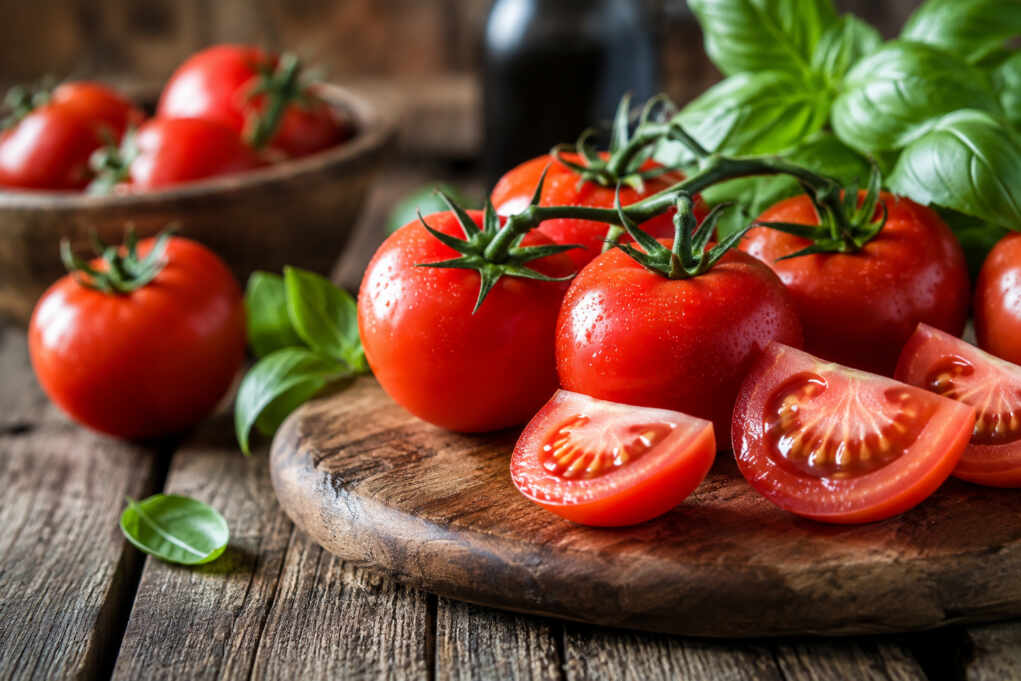
Liver disease is becoming an increasingly common health concern, particularly conditions linked to excess fat accumulation in the liver. While no single food can cure liver disease, research into diet and metabolic health continues to highlight the potential benefits of antioxidant-rich plant foods. One humble staple that has attracted attention is the tomato, a nutrient-packed fruit that provides lycopene, vitamin C, potassium, folate, and other beneficial plant compounds.
So, could adding more tomatoes to your diet help protect the liver? The evidence is promising but should be interpreted carefully. Tomatoes have powerful antioxidant and anti-inflammatory properties, and some health research suggests their nutrients may support the body’s defenses against processes involved in chronic disease. However, scientists have not established tomatoes as a standalone treatment for fatty liver disease or other liver disorders. Instead, they may be one useful component of an overall healthy eating pattern.
Why Tomatoes May Be Good for the Liver
The star nutrient in tomatoes is lycopene, a carotenoid responsible for their characteristic red color. Lycopene acts as an antioxidant, helping neutralize free radicals that can contribute to oxidative stress and cellular damage. Healthline notes that tomatoes are one of the richest dietary sources of lycopene, while Harvard Health highlights its potential anti-inflammatory effects.
Oxidative stress and inflammation are important biological processes in many chronic diseases, including conditions affecting the liver. Fatty liver disease, now commonly referred to as metabolic dysfunction-associated steatotic liver disease (MASLD), involves an abnormal accumulation of fat in liver cells and can progress to inflammation and more serious liver damage in some people.
That doesn’t mean eating tomatoes will automatically reverse liver disease. Rather, their nutritional profile makes them a sensible addition to a diet designed to support metabolic and cardiovascular health.
Tomatoes Pack More Than Lycopene
Lycopene isn’t the only reason tomatoes deserve a place on the plate. Tomatoes also provide vitamin C, potassium, folate, vitamin K and other plant compounds. Their combination of nutrients and antioxidants may contribute to the broader health benefits associated with diets rich in fruits and vegetables.
Verywell Health also identifies tomatoes as a source of several antioxidants, including lycopene, beta-carotene, quercetin and luteolin, and notes potential benefits related to inflammation and metabolic health. These compounds work within a much larger dietary pattern rather than acting as a medication for liver disease.
Cooked Tomatoes May Offer an Advantage
Interestingly, the way tomatoes are prepared can influence how much lycopene the body can use. Health sources report that cooking tomatoes can increase lycopene availability, while combining tomatoes with a small amount of healthy fat can improve absorption because lycopene is fat-soluble.
That means tomato sauce, cooked tomatoes or tomato-based dishes can be nutritious choices. However, not every tomato product is equally healthy. Some commercial sauces, canned products and tomato juices can contain substantial amounts of added salt or sugar. Healthline recommends choosing 100% tomato juice without added salt or sugar when drinking tomato juice.
How to Add More Tomatoes to Your Diet
Getting more tomatoes doesn’t require a dramatic change in your eating habits. Fresh tomatoes can be added to salads, sandwiches, wraps and grain bowls. Cooked tomatoes can form the foundation of homemade soups, stews and sauces.
For a particularly nutrient-friendly combination, try cooked tomatoes with a modest amount of extra-virgin olive oil. This provides healthy fat that can help the body absorb lycopene while keeping the overall meal consistent with a heart-healthy eating pattern.
The Bigger Picture for Liver Health
Although tomatoes are a nutritious choice, protecting the liver requires more than adding one food to the menu. For people with fatty liver disease, health guidance emphasizes broader lifestyle measures, including achieving or maintaining a healthy weight when appropriate, eating plenty of vegetables and whole grains, choosing healthier fats, limiting added sugar and highly processed foods, exercising regularly and avoiding excessive alcohol.
The bottom line is encouraging: tomatoes may be a small but valuable part of a liver-friendly diet, thanks largely to their lycopene and other beneficial nutrients. But they should not be viewed as a cure or replacement for medical treatment. If you have liver disease or abnormal liver tests, speak with a qualified healthcare professional about the dietary and lifestyle changes that are appropriate for you.
Sources:
- Harvard Health — Fighting Inflammation With Food
- Healthline — Tomatoes: Nutrition Facts and Health Benefits
- WebMD — The Health Benefits of Tomatoes
- Medical News Today — What to Know About Metabolic Dysfunction-Associated Steatotic Liver Disease
- Verywell Health — Tomato Nutrition Facts and Health Benefits
Disclaimer
The watching, interacting, and participation of any kind with anything on this page does not constitute or initiate a doctor-patient relationship with Dr. Farrah™. None of the statements here have been evaluated by the Food and Drug Administration (FDA). The products of Dr. Farrah™ are not intended to diagnose, treat, cure, or prevent any disease. The information being provided should only be considered for education and entertainment purposes only. If you feel that anything you see or hear may be of value to you on this page or on any other medium of any kind associated with, showing, or quoting anything relating to Dr. Farrah™ in any way at any time, you are encouraged to and agree to consult with a licensed healthcare professional in your area to discuss it. If you feel that you’re having a healthcare emergency, seek medical attention immediately. The views expressed here are simply either the views and opinions of Dr. Farrah™ or others appearing and are protected under the First Amendment.
Dr. Farrah™ is a highly experienced Licensed Medical Doctor certified in evidence-based clinical nutrition, not some enthusiast, formulator, or medium promoting the wild and unrestrained use of nutrition products for health issues without clinical experience and scientific evidence of therapeutic benefit. Dr. Farrah™ has personally and keenly studied everything she recommends, and more importantly, she’s closely observed the reactions and results in a clinical setting countless times over the course of her career involving the treatment of over 150,000 patients.
Dr. Farrah™ promotes evidence-based natural approaches to health, which means integrating her individual scientific and clinical expertise with the best available external clinical evidence from systematic research. By individual clinical expertise, I refer to the proficiency and judgment that individual clinicians acquire through clinical experience and clinical practice.
Dr. Farrah™ does not make any representations or warranties with respect to the accuracy, applicability, fitness, or completeness of any multimedia content provided. Dr. Farrah™ does not warrant the performance, effectiveness, or applicability of any sites listed, linked, or referenced to, in, or by any multimedia content.
To be clear, the multimedia content is not intended to be a substitute for professional medical advice, diagnosis, or treatment. Always seek the advice of your physician or other qualified health providers with any questions you may have regarding a medical condition. Never disregard professional medical advice or delay in seeking it because of something you have read or seen in any website, video, image, or media of any kind. Dr. Farrah™ hereby disclaims any and all liability to any party for any direct, indirect, implied, punitive, special, incidental, or other consequential damages arising directly or indirectly from any use of the content, which is provided as is, and without warranties.