
Childhood obesity has become one of the most significant public health challenges worldwide, affecting millions of children across all age groups. More than simply carrying extra weight, childhood obesity is a complex condition that increases the risk of serious health problems such as type 2 diabetes, high blood pressure, sleep disorders, joint problems, and emotional difficulties. As children grow, unhealthy habits established early in life can continue into adulthood, making prevention and early intervention especially important.
Although genetics can influence a child’s likelihood of becoming overweight, lifestyle and environmental factors play a much larger role in most cases. Diet, physical activity, sleep quality, family routines, and access to healthy foods all contribute to a child’s overall health. The encouraging news is that many cases of childhood obesity can be prevented or improved through natural, sustainable lifestyle changes that involve the entire family.
Understanding Childhood Obesity
Childhood obesity occurs when a child has excess body fat that negatively affects their health. Healthcare providers typically use Body Mass Index (BMI)-for-age percentiles, along with other health assessments, to determine whether a child is overweight or has obesity. Because children are continuously growing, diagnosis should always be made by a healthcare professional rather than relying solely on appearance or weight.
Obesity develops when children consistently consume more calories than they burn over time. However, the issue is rarely caused by a single factor. Instead, it usually results from a combination of biological, behavioral, social, and environmental influences.
Common Causes of Childhood Obesity
1. Poor Eating Habits
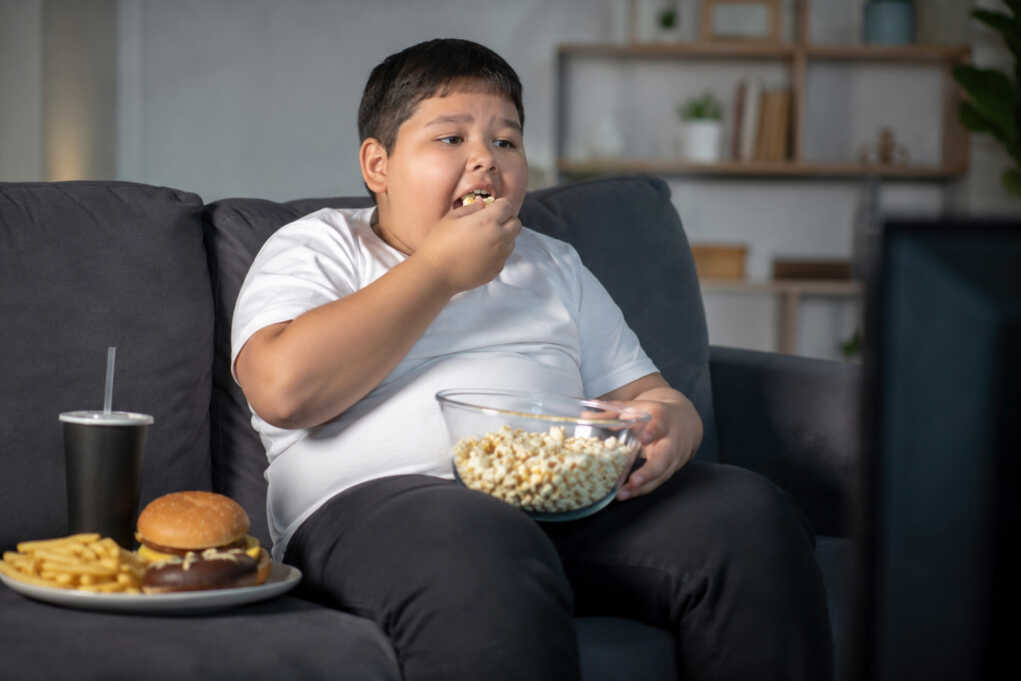
One of the leading contributors to childhood obesity is a diet high in processed foods, sugary drinks, fast food, and snacks that contain excessive amounts of added sugar, unhealthy fats, and sodium. These foods provide large amounts of calories while offering little nutritional value.
2. Lack of Physical Activity
Modern lifestyles often involve extended periods of sitting, whether watching television, using smartphones, playing video games, or working on computers. Limited physical activity reduces calorie expenditure and weakens overall fitness.
3. Excessive Screen Time
Long hours spent on electronic devices not only decrease physical movement but also expose children to advertisements promoting unhealthy foods. Screen time can also encourage mindless snacking and disrupt healthy daily routines.
4. Poor Sleep Habits
Children who do not get enough quality sleep may experience hormonal changes that increase hunger and cravings while reducing energy levels. Inadequate sleep has been linked to a greater risk of obesity.
5. Family and Environmental Factors
Children often adopt the eating and activity habits of their families. Limited access to nutritious foods, unsafe neighborhoods that discourage outdoor play, financial challenges, and busy family schedules can all make healthy living more difficult.
6. Genetics and Medical Conditions
Although genes alone rarely cause obesity, they can increase a child’s susceptibility to gaining weight. Certain hormonal disorders, medications, or underlying medical conditions may also contribute, though these account for only a small percentage of cases.
Natural Solutions for Preventing and Managing Childhood Obesity
Encourage Balanced Nutrition
Healthy eating should focus on whole, nutrient-rich foods rather than restrictive dieting. Parents can offer:
- Fresh fruits and vegetables
- Whole grains
- Lean proteins
- Low-fat dairy products
- Healthy fats from nuts, seeds, and fish
Replacing sugary beverages with water or milk can significantly reduce excess calorie intake.
Increase Daily Physical Activity
Children should be encouraged to stay active through enjoyable activities such as:
- Walking
- Cycling
- Swimming
- Dancing
- Team sports
- Outdoor games
Regular movement strengthens muscles and bones while supporting a healthy weight and improving mental well-being.
Reduce Screen Time
Setting reasonable limits on recreational screen use creates more opportunities for active play, family interaction, and better sleep. Establishing screen-free meals and bedtime routines can make a positive difference.
Prioritize Healthy Sleep
Consistent bedtime routines help children obtain the sleep they need for healthy growth. Adequate sleep supports hormone regulation, appetite control, concentration, and overall health.
Involve the Entire Family
Children are more likely to develop lifelong healthy habits when parents lead by example. Preparing nutritious meals together, eating as a family, and participating in physical activities together create a supportive environment that encourages lasting change.
Practice Mindful Eating
Teaching children to recognize hunger and fullness cues can help prevent overeating. Eating slowly, avoiding distractions during meals, and encouraging portion awareness allow children to develop a healthier relationship with food.
When Professional Help Is Needed
If a child experiences rapid weight gain, struggles with obesity-related health conditions, or if lifestyle changes are not producing results, parents should consult a pediatrician or registered dietitian. Early evaluation can identify underlying medical conditions and provide personalized guidance that supports healthy growth without compromising development.
Conclusion
Childhood obesity is a complex condition influenced by many interconnected factors, including diet, physical activity, sleep, genetics, and the environment. While there is no single solution, natural lifestyle changes can significantly improve a child’s health and reduce the risk of long-term complications. By focusing on nutritious foods, regular physical activity, healthy sleep habits, and positive family involvement, parents and caregivers can help children develop lifelong habits that support both physical and emotional well-being. Small, consistent changes made today can lead to healthier futures for children and their families.
Sources:
- Centers for Disease Control and Prevention (CDC) – Preventing Childhood Obesity: https://www.cdc.gov/obesity/family-action/index.html
- World Health Organization (WHO) – Childhood Overweight and Obesity: https://www.who.int/news-room/questions-and-answers/item/noncommunicable-diseases-childhood-overweight-and-obesity
- Mayo Clinic – Childhood Obesity: Symptoms and Causes: https://www.mayoclinic.org/diseases-conditions/childhood-obesity/symptoms-causes/syc-20354827
- National Heart, Lung, and Blood Institute (NIH/NHLBI) – Childhood Obesity: https://www.nhlbi.nih.gov/health/overweight-and-obesity/childhood-obesity
- HealthyChildren.org (American Academy of Pediatrics) – Childhood Obesity: A Complex Disease: https://www.healthychildren.org/English/health-issues/conditions/obesity/Pages/childhood-obesity-a-complex-disease.aspx
Disclaimer
The watching, interacting, and participation of any kind with anything on this page does not constitute or initiate a doctor-patient relationship with Dr. Farrah™. None of the statements here have been evaluated by the Food and Drug Administration (FDA). The products of Dr. Farrah™ are not intended to diagnose, treat, cure, or prevent any disease. The information being provided should only be considered for education and entertainment purposes only. If you feel that anything you see or hear may be of value to you on this page or on any other medium of any kind associated with, showing, or quoting anything relating to Dr. Farrah™ in any way at any time, you are encouraged to and agree to consult with a licensed healthcare professional in your area to discuss it. If you feel that you’re having a healthcare emergency, seek medical attention immediately. The views expressed here are simply either the views and opinions of Dr. Farrah™ or others appearing and are protected under the first amendment.
Dr. Farrah™ is a highly experienced Licensed Medical Doctor certified in evidence-based clinical nutrition, not some enthusiast, formulator, or medium promoting the wild and unrestrained use of nutrition products for health issues without clinical experience and scientific evidence of therapeutic benefit. Dr. Farrah™ has personally and keenly studied everything she recommends, and more importantly, she’s closely observed the reactions and results in a clinical setting countless times over the course of her career involving the treatment of over 150,000 patients.
Dr. Farrah™ promotes evidence-based natural approaches to health, which means integrating her individual scientific and clinical expertise with the best available external clinical evidence from systematic research. By individual clinical expertise, I refer to the proficiency and judgment that individual clinicians acquire through clinical experience and clinical practice.
Dr. Farrah™ does not make any representation or warranties with respect to the accuracy, applicability, fitness, or completeness of any multimedia content provided. Dr. Farrah™ does not warrant the performance, effectiveness, or applicability of any sites listed, linked, or referenced to, in, or by any multimedia content.
To be clear, the multimedia content is not intended to be a substitute for professional medical advice, diagnosis, or treatment. Always seek the advice of your physician or other qualified health providers with any questions you may have regarding a medical condition. Never disregard professional medical advice or delay in seeking it because of something you have read or seen in any website, video, image, or media of any kind. Dr. Farrah™ hereby disclaims any and all liability to any party for any direct, indirect, implied, punitive, special, incidental, or other consequential damages arising directly or indirectly from any use of the content, which is provided as is, and without warranties.