
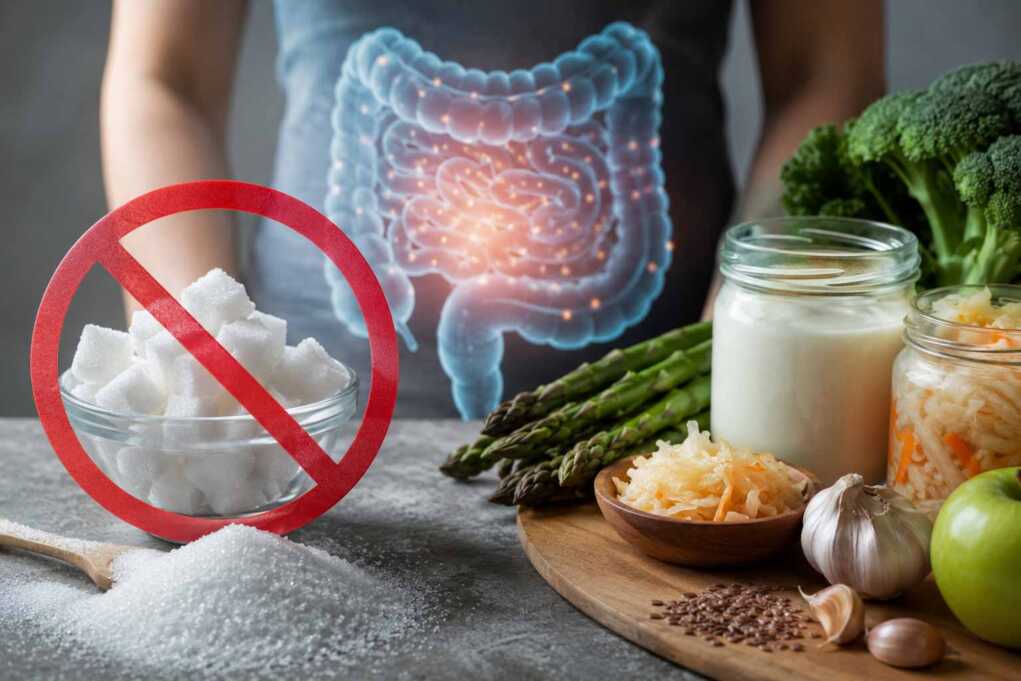
The human gut microbiome is a vast ecosystem of trillions of microorganisms that influence digestion, immunity, metabolism, and even mental well-being. Scientists have increasingly focused on how dietary habits shape this microbial community, with sugar consumption emerging as one of the most important factors. While excessive added sugar has been associated with disruptions in gut bacterial balance, many people are now experimenting with reducing or completely eliminating sugar from their diets in hopes of improving gut health.
Removing sugar from the diet can trigger significant changes within the gut microbiome. These changes may include shifts in bacterial diversity, reduced inflammation, and improved metabolic function. However, the effects are not always straightforward. The outcome depends on what foods replace the sugar and whether the overall diet continues to provide the fiber and nutrients that beneficial gut bacteria need to thrive. Understanding these changes can help individuals make informed decisions about dietary patterns that support long-term digestive and overall health.
Understanding the Gut Microbiome
The gut microbiome consists of bacteria, fungi, viruses, and other microorganisms that live primarily in the large intestine. These microbes perform essential functions, including breaking down dietary fiber, producing vitamins, supporting immune defenses, and helping regulate inflammation. A healthy microbiome is typically characterized by a diverse population of beneficial microorganisms that coexist in balance.
Diet is one of the strongest influences on microbial composition. Foods rich in fiber, fruits, vegetables, legumes, and whole grains generally support beneficial bacteria, while diets high in processed foods and added sugars may encourage the growth of less desirable microbial species.
How Excess Sugar Affects Gut Bacteria
Research suggests that diets high in added sugars can contribute to microbial imbalances known as dysbiosis. Excessive sugar intake may reduce the abundance of beneficial bacteria while encouraging the growth of microorganisms associated with inflammation and metabolic dysfunction. High-sugar diets have also been linked to reduced microbial diversity, a characteristic often associated with poorer health outcomes.
Additionally, excessive sugar consumption may contribute to increased intestinal permeability, sometimes referred to as “leaky gut.” This condition may allow substances from the digestive tract to enter the bloodstream more easily, potentially triggering inflammation throughout the body.
What Happens When Sugar Is Eliminated?
Increased Growth of Beneficial Bacteria
Reducing or eliminating added sugars may create an environment that favors beneficial bacteria. Without a constant supply of easily digestible sugars, microbes that thrive on dietary fiber and complex carbohydrates can become more dominant. These bacteria produce short-chain fatty acids such as butyrate, which help maintain the integrity of the intestinal lining and support immune health.
Improved Microbial Diversity
One of the most frequently cited indicators of a healthy gut is microbial diversity. When sugary foods are replaced with a variety of plant-based foods, beneficial microbes receive a wider range of nutrients. This can increase the number of bacterial species present in the gut, potentially strengthening resilience against disease and digestive disturbances.
Reduced Inflammation
Many studies suggest that high-sugar diets contribute to chronic low-grade inflammation. By eliminating excess sugar and focusing on nutrient-dense foods, inflammatory processes within the digestive system may decrease. Lower inflammation can create a more favorable environment for beneficial bacteria and improve communication between the gut and the immune system.
Better Metabolic Health
The gut microbiome plays an important role in regulating blood sugar levels, insulin sensitivity, and energy metabolism. Reducing added sugars may help support microbial populations associated with healthier metabolic function. Improved microbial balance can contribute to more stable blood glucose levels and a lower risk of obesity and type 2 diabetes.
Potential Challenges
Eliminating sugar does not automatically guarantee a healthier microbiome. If sugar is replaced with highly processed sugar-free products or a diet lacking adequate fiber, beneficial bacteria may still struggle to thrive. Some artificial sweeteners have also been studied for their potential effects on gut microbial composition, though research findings remain mixed.
Furthermore, abrupt dietary changes may temporarily alter digestion, leading to symptoms such as bloating, gas, or changes in bowel habits as the microbiome adapts to a new food environment.
The Importance of Healthy Replacements
The benefits of removing sugar depend largely on the foods that take its place. Replacing sugary snacks with fiber-rich fruits, vegetables, legumes, nuts, seeds, and whole grains provides nourishment for beneficial gut bacteria. These foods contain prebiotics, which serve as fuel for microbes that produce health-promoting compounds.
Fermented foods such as yogurt, kefir, kimchi, sauerkraut, and miso may also help support a healthy microbial balance by introducing beneficial microorganisms and encouraging microbial diversity.
Conclusion
Eliminating added sugar can significantly influence the gut microbiome by reducing dysbiosis, encouraging beneficial bacterial growth, improving microbial diversity, and lowering inflammation. However, the overall impact depends on the quality of the replacement foods and the broader dietary pattern. A balanced approach that emphasizes fiber-rich whole foods and minimizes highly processed products is most likely to create positive changes within the gut ecosystem.
As research into the gut microbiome continues to evolve, one message remains consistent: the microorganisms living in the digestive tract respond directly to dietary choices. Reducing added sugar while prioritizing nutrient-dense foods may be one of the most effective strategies for supporting a healthier and more resilient microbiome.
Sources:
- Harvard Health – How to Feed Your Gut
https://www.health.harvard.edu/staying-healthy/how-to-feed-your-gut - Harvard Health – Prebiotics: Understanding Their Role in Gut Health
https://www.health.harvard.edu/diet-and-nutrition/prebiotics-understanding-their-role-in-gut-health - Cleveland Clinic – What Is Your Gut Microbiome?
https://my.clevelandclinic.org/health/body/25201-gut-microbiome - Johns Hopkins Medicine – Eating for Your Gut
https://www.hopkinsmedicine.org/health/wellness-and-prevention/eating-for-your-gut - Mayo Clinic Health System – Good Bacteria for Your Gut
https://www.mayoclinichealthsystem.org/hometown-health/speaking-of-health/good-bacteria-for-your-gut
Disclaimer
The watching, interacting, and participation of any kind with anything on this page does not constitute or initiate a doctor-patient relationship with Dr. Farrah™. None of the statements here have been evaluated by the Food and Drug Administration (FDA). The products of Dr. Farrah™ are not intended to diagnose, treat, cure, or prevent any disease. The information being provided should only be considered for education and entertainment purposes only. If you feel that anything you see or hear may be of value to you on this page or on any other medium of any kind associated with, showing, or quoting anything relating to Dr. Farrah™ in any way at any time, you are encouraged to and agree to consult with a licensed healthcare professional in your area to discuss it. If you feel that you’re having a healthcare emergency, seek medical attention immediately. The views expressed here are simply either the views and opinions of Dr. Farrah™ or others appearing and are protected under the first amendment.
Dr. Farrah™ is a highly experienced Licensed Medical Doctor certified in evidence-based clinical nutrition, not some enthusiast, formulator, or medium promoting the wild and unrestrained use of nutrition products for health issues without clinical experience and scientific evidence of therapeutic benefit. Dr. Farrah™ has personally and keenly studied everything she recommends, and more importantly, she’s closely observed the reactions and results in a clinical setting countless times over the course of her career involving the treatment of over 150,000 patients.
Dr. Farrah™ promotes evidence-based natural approaches to health, which means integrating her individual scientific and clinical expertise with the best available external clinical evidence from systematic research. By individual clinical expertise, I refer to the proficiency and judgment that individual clinicians acquire through clinical experience and clinical practice.
Dr. Farrah™ does not make any representation or warranties with respect to the accuracy, applicability, fitness, or completeness of any multimedia content provided. Dr. Farrah™ does not warrant the performance, effectiveness, or applicability of any sites listed, linked, or referenced to, in, or by any multimedia content.
To be clear, the multimedia content is not intended to be a substitute for professional medical advice, diagnosis, or treatment. Always seek the advice of your physician or other qualified health providers with any questions you may have regarding a medical condition. Never disregard professional medical advice or delay in seeking it because of something you have read or seen in any website, video, image, or media of any kind. Dr. Farrah™ hereby disclaims any and all liability to any party for any direct, indirect, implied, punitive, special, incidental, or other consequential damages arising directly or indirectly from any use of the content, which is provided as is, and without warranties.