
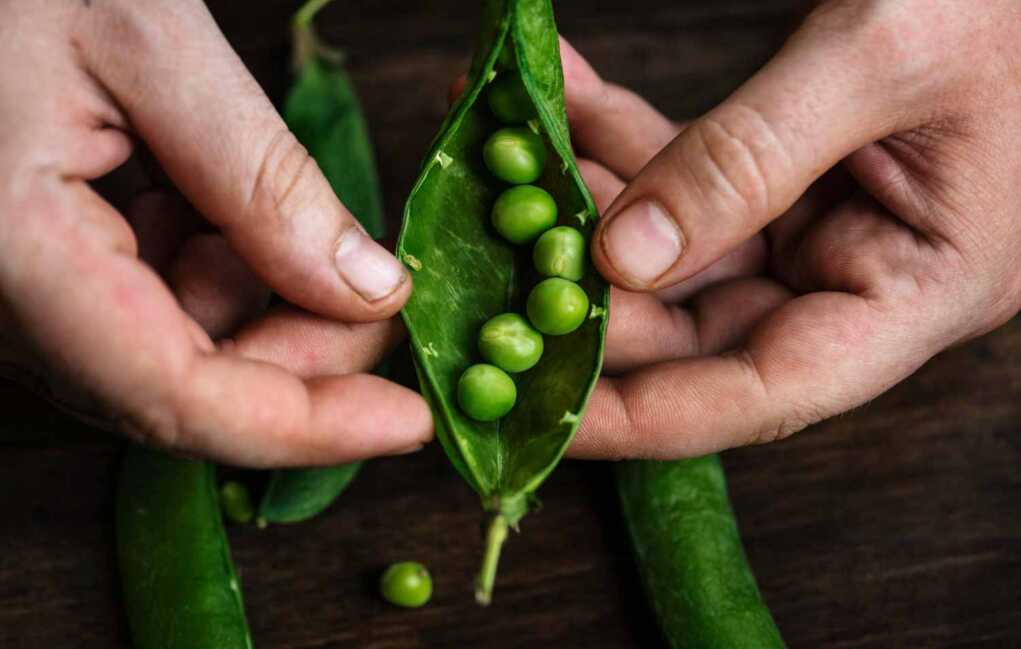
For years, gut health conversations have centered around probiotic yogurt, fermented drinks, and expensive wellness supplements. Grocery store shelves are packed with products promising better digestion and a healthier microbiome, leading many consumers to believe that supporting gut health requires trendy ingredients or complicated diets. But according to dietitians, one of the most powerful digestive-support foods has been sitting quietly in freezers and produce aisles all along: green peas.
These small, vibrant legumes may not receive the same attention as kale or kombucha, but nutrition experts say they deserve far more recognition. Green peas contain a unique combination of fiber, resistant starch, antioxidants, and plant protein that work together to support digestive health from multiple angles. Their ability to nourish beneficial gut bacteria while improving digestion makes them one of the most underrated foods for long-term wellness. Even better, they are inexpensive, widely available, and incredibly easy to add to meals.
Why Gut Health Matters More Than Ever
In recent years, scientists have discovered just how important the gut microbiome is to overall health. The gut microbiome refers to the trillions of bacteria and microorganisms living inside the digestive tract. These microbes influence digestion, immune function, inflammation, metabolism, and even mental health.
When the balance of bacteria in the gut becomes disrupted, it can contribute to digestive discomfort, bloating, constipation, weakened immunity, and chronic inflammation. Because of this, nutrition experts increasingly recommend foods that naturally support beneficial bacteria rather than relying solely on supplements.
One of the best ways to maintain a healthy microbiome is by eating fiber-rich plant foods. This is where green peas stand out. They provide multiple forms of fiber and nutrients that directly support digestive balance and bacterial diversity.
Green Peas Are Packed With Gut-Friendly Fiber
Fiber is one of the most important nutrients for digestive health, yet most people do not consume enough of it daily. Green peas offer an impressive amount of dietary fiber in a relatively small serving, making them an easy addition to a gut-supportive diet.
There are two primary forms of fiber found in peas:
Soluble Fiber
Soluble fiber absorbs water and forms a gel-like substance during digestion. This process helps slow digestion, support healthy cholesterol levels, and create smoother bowel movements. Soluble fiber may also help stabilize blood sugar levels by slowing carbohydrate absorption.
Insoluble Fiber
Insoluble fiber adds bulk to stool and helps food move more efficiently through the digestive tract. This type of fiber plays an important role in preventing constipation and supporting digestive regularity.
Together, these two types of fiber create an ideal environment for better digestion and healthier bowel function. Dietitians often emphasize that consistent fiber intake is one of the simplest ways to improve gut health naturally.
The Resistant Starch Advantage
One of the lesser-known nutritional benefits of green peas is their resistant starch content. Resistant starch is a special type of carbohydrate that avoids digestion in the small intestine and instead travels to the colon intact.
Once resistant starch reaches the colon, beneficial gut bacteria ferment it and produce compounds called short-chain fatty acids. One of the most important of these compounds is butyrate, which helps nourish the cells lining the colon and supports a healthier digestive tract.
Research suggests resistant starch may contribute to:
- Better gut barrier function
- Reduced digestive inflammation
- Improved insulin sensitivity
- Enhanced feelings of fullness
- More balanced blood sugar levels
Because resistant starch acts as fuel for healthy gut microbes, foods containing it are increasingly valued in nutrition science.
Green Peas Act as Natural Prebiotics
Many people are familiar with probiotics, which are live beneficial bacteria found in fermented foods. Prebiotics, however, are just as important. Prebiotics are compounds that feed and nourish the healthy bacteria already living in the gut.
Green peas naturally contain prebiotic fibers that encourage the growth of beneficial microbes. A healthier microbiome is associated with stronger immunity, improved digestion, and lower levels of inflammation throughout the body.
Unlike highly processed foods that may negatively affect gut bacteria, whole plant foods like peas help promote microbial diversity. Experts believe a diverse microbiome is one of the strongest indicators of digestive health.
More Than Digestion: Additional Health Benefits of Green Peas
Although gut health may be their standout feature, green peas support many other aspects of wellness too.
Excellent Source of Plant Protein
Green peas contain a surprising amount of plant-based protein compared to many vegetables. Protein helps support muscle repair, satiety, and stable energy levels throughout the day.
For individuals trying to reduce meat consumption, peas can contribute valuable protein to meals without excessive saturated fat.
Rich in Vitamins and Minerals
Green peas provide several essential nutrients, including:
- Vitamin K for bone health
- Vitamin C for immune support
- Folate for cellular function
- Iron for oxygen transport
- Manganese for metabolism
These nutrients help make peas a nutrient-dense addition to nearly any eating pattern.
Antioxidants for Cellular Protection
Green peas also contain antioxidants such as lutein and zeaxanthin, which may help support eye health and protect cells from oxidative stress. Antioxidants are important because chronic oxidative stress is linked to aging and many diseases.
Can Green Peas Cause Bloating?
Because peas are high in fiber and belong to the legume family, some people may initially experience gas or bloating when increasing their intake. This is common with many fiber-rich foods, especially for people who are not used to consuming large amounts of dietary fiber.
Dietitians recommend increasing fiber gradually and drinking adequate water to help the digestive system adjust. Cooking peas thoroughly can also improve digestibility for some individuals.
In most cases, mild digestive symptoms decrease as the gut microbiome adapts to a higher-fiber diet.
Easy Ways to Add Green Peas to Your Diet
One of the best things about green peas is how versatile they are. They can easily be added to meals without requiring complicated preparation.
Here are some simple ways to eat more green peas:
- Stir frozen peas into pasta dishes
- Add them to soups and stews
- Mix into fried rice or grain bowls
- Blend into dips and spreads
- Toss into salads for added texture
- Add to curries and casseroles
- Combine with herbs for a pea puree side dish
Frozen peas are especially convenient because they retain most of their nutrients and can be prepared in just minutes.
Why Dietitians Recommend Whole Foods for Gut Health
While supplements and specialty products continue to dominate the wellness market, many dietitians emphasize that whole foods remain one of the most effective ways to support gut health long term.
Green peas provide a combination of nutrients working together naturally rather than in isolated forms. Their fiber, resistant starch, vitamins, minerals, and antioxidants create a synergistic effect that processed supplements may not fully replicate.
Whole foods also tend to be more sustainable, affordable, and easier to maintain as part of a balanced lifestyle.
The Bottom Line
Green peas may not have the marketing hype of trendy superfoods, but nutrition experts increasingly view them as one of the most underrated foods for digestive wellness. Their powerful combination of fiber, resistant starch, prebiotics, and plant nutrients makes them a valuable ally for maintaining a healthy gut microbiome.
At a time when digestive issues and highly processed diets are increasingly common, simple foods like green peas offer a practical and affordable solution. Whether added to soups, salads, rice dishes, or snacks, these small legumes can deliver surprisingly big health benefits.
For anyone looking to improve gut health naturally, green peas may truly be the gut health MVP hiding in plain sight.
Sources:
- Verywell Health – Dietitians Say Green Peas Are the Gut Health MVP You’re Overlooking
- Healthline – Why Green Peas Are Healthy and Nutritious
- Harvard Health – Resistant Starch: Can You Make the Carbs You Eat a Little Healthier?
- Cleveland Clinic – 7 Reasons To Give Peas a Chance
- Mayo Clinic Press – Why Fiber Matters: Essential Foods for a Healthy Gut Microbiome
Disclaimer
The watching, interacting, and participation of any kind with anything on this page does not constitute or initiate a doctor-patient relationship with Dr. Farrah™. None of the statements here have been evaluated by the Food and Drug Administration (FDA). The products of Dr. Farrah™ are not intended to diagnose, treat, cure, or prevent any disease. The information being provided should only be considered for education and entertainment purposes only. If you feel that anything you see or hear may be of value to you on this page or on any other medium of any kind associated with, showing, or quoting anything relating to Dr. Farrah™ in any way at any time, you are encouraged to and agree to consult with a licensed healthcare professional in your area to discuss it. If you feel that you’re having a healthcare emergency, seek medical attention immediately. The views expressed here are simply either the views and opinions of Dr. Farrah™ or others appearing and are protected under the first amendment.
Dr. Farrah™ is a highly experienced Licensed Medical Doctor certified in evidence-based clinical nutrition, not some enthusiast, formulator, or medium promoting the wild and unrestrained use of nutrition products for health issues without clinical experience and scientific evidence of therapeutic benefit. Dr. Farrah™ has personally and keenly studied everything she recommends, and more importantly, she’s closely observed the reactions and results in a clinical setting countless times over the course of her career involving the treatment of over 150,000 patients.
Dr. Farrah™ promotes evidence-based natural approaches to health, which means integrating her individual scientific and clinical expertise with the best available external clinical evidence from systematic research. By individual clinical expertise, I refer to the proficiency and judgment that individual clinicians acquire through clinical experience and clinical practice.
Dr. Farrah™ does not make any representation or warranties with respect to the accuracy, applicability, fitness, or completeness of any multimedia content provided. Dr. Farrah™ does not warrant the performance, effectiveness, or applicability of any sites listed, linked, or referenced to, in, or by any multimedia content.
To be clear, the multimedia content is not intended to be a substitute for professional medical advice, diagnosis, or treatment. Always seek the advice of your physician or other qualified health providers with any questions you may have regarding a medical condition. Never disregard professional medical advice or delay in seeking it because of something you have read or seen in any website, video, image, or media of any kind. Dr. Farrah™ hereby disclaims any and all liability to any party for any direct, indirect, implied, punitive, special, incidental, or other consequential damages arising directly or indirectly from any use of the content, which is provided as is, and without warranties.