
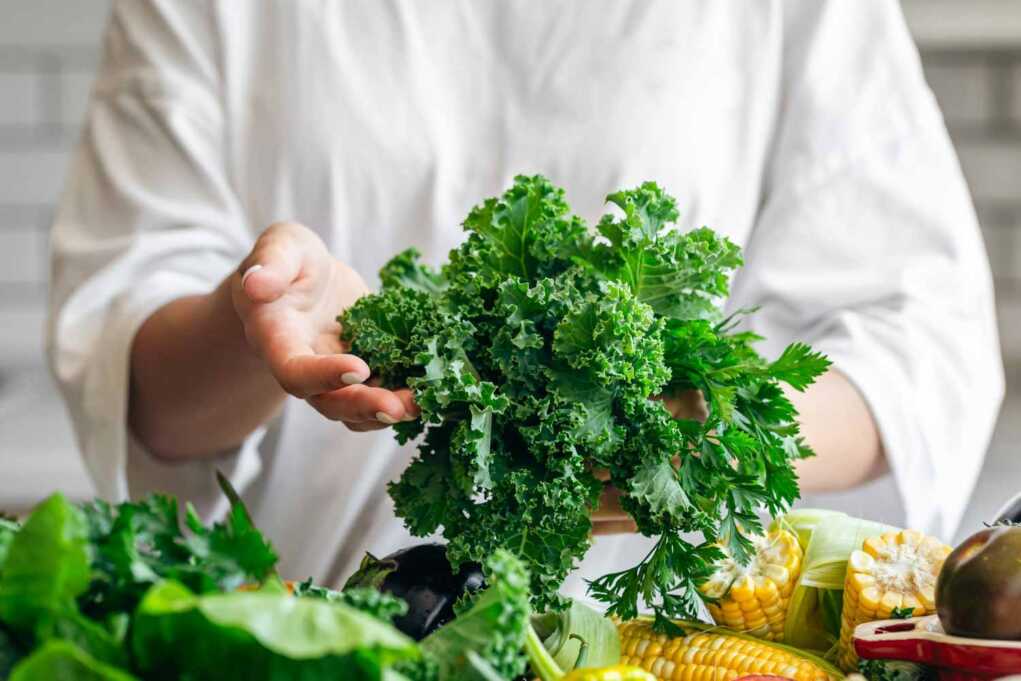
Kale has become one of the most recognizable symbols of modern healthy eating. It appears in smoothies, salads, grain bowls, soups, and even snack aisles in the form of kale chips. Nutrition experts consistently praise it for its dense concentration of vitamins, minerals, antioxidants, and fiber. Yet despite its impressive reputation, many people still dislike eating kale because of its bitter taste, rough texture, and earthy aroma. For some, the experience of chewing raw kale feels more like eating decorative leaves than enjoying an actual meal.
Still, kale’s nutritional profile makes it difficult to ignore. This leafy green offers a remarkable combination of health benefits that support immunity, digestion, heart health, bone strength, and overall wellness. The good news is that kale does not have to remain unpleasant. The way kale is prepared dramatically affects its flavor, texture, and digestibility. With the right techniques and pairings, even skeptical eaters can transform kale into a flavorful ingredient that is both satisfying and highly nutritious.
What Exactly Is Kale?
Kale is a member of the cruciferous vegetable family, which includes broccoli, cabbage, cauliflower, Brussels sprouts, and collard greens. It has been cultivated for centuries and was commonly eaten long before it became a trendy “superfood.” Unlike iceberg lettuce or spinach, kale has thick leaves and sturdy stems that allow it to hold up well in cooking.
There are several varieties of kale, each with slightly different textures and flavors:
- Curly kale – The most common type, known for its ruffled leaves and bitter flavor.
- Lacinato kale (dinosaur kale) – Darker, flatter leaves with a milder and slightly sweeter taste.
- Red Russian kale – Softer leaves with purple stems and a less intense bitterness.
- Baby kale – Young leaves that are more tender and easier to eat raw.
Among these, lacinato and baby kale are often considered more beginner-friendly because they are less fibrous and easier to chew.
Why Kale Is Considered a Superfood
Kale’s reputation as a nutritional powerhouse is backed by science and expert recommendations from major health organizations. One serving of kale contains significant amounts of vitamins and nutrients while remaining very low in calories.
Rich in Essential Vitamins
Kale is especially high in:
- Vitamin K – Important for blood clotting and bone health.
- Vitamin C – Supports immunity and collagen production.
- Vitamin A – Helps maintain healthy vision and skin.
- Folate – Necessary for cell growth and repair.
According to health experts, kale contains more vitamin C per calorie than many citrus fruits and provides exceptionally high levels of vitamin K.
Packed with Antioxidants
Kale contains antioxidants such as beta-carotene, flavonoids, and polyphenols that help reduce oxidative stress in the body. Oxidative stress occurs when unstable molecules called free radicals damage cells over time, potentially contributing to aging and chronic disease.
The antioxidants found in kale may help support:
- Heart health
- Eye health
- Brain function
- Reduced inflammation
Supports Digestive Health
Kale is rich in dietary fiber, which supports healthy digestion and gut function. Fiber can help:
- Promote regular bowel movements
- Support beneficial gut bacteria
- Increase feelings of fullness
- Assist with blood sugar control
Because kale is so filling relative to its calorie content, it is often included in weight-management diets.
Why So Many People Dislike Kale
Despite its benefits, kale’s flavor can be challenging. The bitterness comes from naturally occurring compounds called glucosinolates, which are also found in broccoli and Brussels sprouts. While these compounds may provide health benefits, they contribute to kale’s strong taste.
Another common complaint is texture. Raw kale leaves can be:
- Tough
- Dry
- Fibrous
- Difficult to chew
The thick stems can be particularly unpleasant if left intact. In poorly prepared salads, kale may feel abrasive or overly dense compared to softer greens like romaine or spinach.
Some people are also sensitive to the earthy aroma that develops when kale is cooked too long. Overboiling can release sulfur-like odors similar to overcooked cabbage.
How to Make Kale Taste Better
Fortunately, kale’s biggest weaknesses can be improved with proper preparation.
Massage the Leaves
One of the most effective methods is massaging raw kale with olive oil and lemon juice. This process physically softens the leaves and reduces bitterness.
To massage kale:
- Remove the stems.
- Chop the leaves into small pieces.
- Add olive oil and a splash of lemon juice or vinegar.
- Rub the leaves gently for 2–3 minutes.
The leaves become darker, softer, and easier to chew. This simple technique can dramatically improve raw kale salads.
Pair Kale With Strong Flavors
Kale works best when combined with ingredients that balance its bitterness. Popular pairings include:
- Garlic
- Parmesan cheese
- Citrus fruits
- Apples
- Cranberries
- Sweet potatoes
- Balsamic vinegar
- Bacon
- Nuts and seeds
Sweet and acidic ingredients are especially effective because they contrast kale’s earthy flavor.
Cook It Properly
Cooking kale can make it significantly more enjoyable.
Sautéing
Quick sautéing with olive oil and garlic softens the leaves while preserving flavor and nutrients.
Roasting
Roasted kale chips become crispy and savory. A small amount of oil and seasoning can transform kale into a crunchy snack.
Adding to Soups
Kale softens in soups and stews while absorbing surrounding flavors. This reduces bitterness and improves texture.
Blending Into Smoothies
Fruit smoothies can mask kale’s intensity. Bananas, mangoes, pineapple, and berries work especially well.
The Best Ways to Preserve Kale’s Nutrients
Although kale is highly nutritious, preparation affects nutrient retention.
Avoid Overboiling
Boiling kale for long periods can reduce water-soluble vitamins like vitamin C. Light steaming or sautéing is generally preferred.
Add Healthy Fats
Some nutrients in kale are fat-soluble, meaning the body absorbs them better when consumed with healthy fats.
Good options include:
- Olive oil
- Avocado
- Nuts
- Seeds
This improves absorption of vitamins A and K.
Eat a Combination of Raw and Cooked Kale
Raw kale preserves certain nutrients, while cooked kale may improve digestibility and reduce bitterness. A balanced approach allows people to enjoy the advantages of both.
Are There Any Downsides to Eating Kale?
For most people, kale is extremely healthy when consumed in normal amounts. However, there are a few considerations.
Vitamin K and Blood Thinners
Kale’s high vitamin K content may interfere with blood-thinning medications such as warfarin. Individuals taking these medications should consult healthcare professionals before making major dietary changes.
Goitrogens and Thyroid Concerns
Kale contains compounds called goitrogens, which may interfere with iodine absorption if consumed excessively in large amounts, especially raw. This is mainly a concern for individuals with thyroid disorders who regularly consume concentrated raw kale juices.
Digestive Discomfort
Eating very large quantities of raw kale may cause bloating or digestive discomfort in some individuals due to its fiber content.
Creative Ways to Include Kale in Meals
People who dislike kale often succeed when they stop treating it as a plain salad ingredient and instead use it creatively.
Ideas include:
- Mixing kale into pasta dishes
- Adding chopped kale to scrambled eggs
- Using kale in stir-fries
- Combining kale with spinach in smoothies
- Layering kale into casseroles
- Adding kale to rice bowls and grain dishes
- Baking homemade kale chips
These methods allow kale to blend into meals rather than dominate them.
Conclusion
Kale’s reputation as a difficult vegetable is understandable. Its bitterness, toughness, and earthy flavor can make it intimidating for many eaters. However, beneath that rough exterior lies one of the most nutrient-dense vegetables available. Packed with vitamins, antioxidants, fiber, and plant compounds, kale offers a wide range of potential health benefits that support long-term wellness.
The key to enjoying kale lies in preparation. By massaging the leaves, pairing them with complementary flavors, choosing appropriate cooking methods, and balancing raw and cooked forms, kale can become surprisingly versatile and enjoyable. Instead of viewing kale as a bland health obligation, people can learn to use it creatively in flavorful meals that support both nutrition and satisfaction. With the right approach, this once-unpopular leafy green can become a valuable and delicious part of a healthy diet.
Sources:
- Cleveland Clinic – 5 Ways Kale Benefits Your Health
- Healthline – 10 Proven Benefits of Kale
- WebMD – Health Benefits of Kale
- Mayo Clinic Health System – Kale: Discover the Secret Powers of This Superfood
- Harvard Health – Vegetable of the Month: Leafy Greens
Disclaimer
The watching, interacting, and participation of any kind with anything on this page does not constitute or initiate a doctor-patient relationship with Dr. Farrah™. None of the statements here have been evaluated by the Food and Drug Administration (FDA). The products of Dr. Farrah™ are not intended to diagnose, treat, cure, or prevent any disease. The information being provided should only be considered for education and entertainment purposes only. If you feel that anything you see or hear may be of value to you on this page or on any other medium of any kind associated with, showing, or quoting anything relating to Dr. Farrah™ in any way at any time, you are encouraged to and agree to consult with a licensed healthcare professional in your area to discuss it. If you feel that you’re having a healthcare emergency, seek medical attention immediately. The views expressed here are simply either the views and opinions of Dr. Farrah™ or others appearing and are protected under the first amendment.
Dr. Farrah™ is a highly experienced Licensed Medical Doctor certified in evidence-based clinical nutrition, not some enthusiast, formulator, or medium promoting the wild and unrestrained use of nutrition products for health issues without clinical experience and scientific evidence of therapeutic benefit. Dr. Farrah™ has personally and keenly studied everything she recommends, and more importantly, she’s closely observed the reactions and results in a clinical setting countless times over the course of her career involving the treatment of over 150,000 patients.
Dr. Farrah™ promotes evidence-based natural approaches to health, which means integrating her individual scientific and clinical expertise with the best available external clinical evidence from systematic research. By individual clinical expertise, I refer to the proficiency and judgment that individual clinicians acquire through clinical experience and clinical practice.
Dr. Farrah™ does not make any representation or warranties with respect to the accuracy, applicability, fitness, or completeness of any multimedia content provided. Dr. Farrah™ does not warrant the performance, effectiveness, or applicability of any sites listed, linked, or referenced to, in, or by any multimedia content.
To be clear, the multimedia content is not intended to be a substitute for professional medical advice, diagnosis, or treatment. Always seek the advice of your physician or other qualified health providers with any questions you may have regarding a medical condition. Never disregard professional medical advice or delay in seeking it because of something you have read or seen in any website, video, image, or media of any kind. Dr. Farrah™ hereby disclaims any and all liability to any party for any direct, indirect, implied, punitive, special, incidental, or other consequential damages arising directly or indirectly from any use of the content, which is provided as is, and without warranties.