
Hemorrhoids affect millions of people worldwide, yet they remain one of the most misunderstood and improperly managed digestive conditions. When symptoms strike—itching, swelling, discomfort, or even bleeding—many people instinctively reach for over-the-counter creams or try home remedies like sitz baths. These approaches are popular for a reason: they offer fast, soothing relief that can make an uncomfortable situation feel manageable, at least temporarily.
But temporary relief is not the same as effective treatment. While creams and sitz baths may calm irritation, they do little to address the underlying causes of hemorrhoids. Increasingly, medical experts agree that long-term relief depends on correcting bowel habits—and that’s where fiber comes in. Backed by clinical research and recommendations from leading health organizations, dietary fiber stands out as the most reliable, sustainable, and evidence-based solution for both treating and preventing hemorrhoids.
Understanding What Causes Hemorrhoids
Hemorrhoids develop when the veins in the lower rectum or anus become swollen and inflamed. This typically happens due to increased pressure in the area, often caused by chronic constipation, straining during bowel movements, prolonged sitting, or even low-fiber diets.
When stool is hard or difficult to pass, the body compensates by straining. This repeated pressure stresses the blood vessels, leading to the formation of hemorrhoids. Over time, this cycle can worsen, especially if the root cause—poor bowel function—is not addressed.
This is why symptom-focused treatments alone often fall short. Without improving stool consistency and reducing strain, hemorrhoids are likely to persist or return.
Why Fiber Is the Most Effective First-Line Treatment
Fiber works differently from topical treatments because it addresses the cause rather than the symptoms. It adds bulk to stool and helps retain water, making bowel movements softer and easier to pass. This reduces the need for straining, which is the primary trigger for hemorrhoids.
According to Harvard Health Publishing, increasing fiber intake is one of the most effective ways to prevent and treat hemorrhoids because it promotes smoother, more regular digestion. Similarly, the Mayo Clinic emphasizes that fiber can help shrink hemorrhoids and reduce symptoms by minimizing irritation during bowel movements.
Clinical research strongly supports these recommendations. A Cochrane review found that fiber supplementation reduced persistent symptoms by roughly 50% and significantly decreased bleeding. This is a substantial improvement compared to symptom-only treatments, which tend to offer short-term relief without measurable long-term benefits.
Fiber also supports overall gut health. It nourishes beneficial gut bacteria, improves intestinal function, and reduces the likelihood of constipation—making it not just a treatment, but a preventive strategy.
Comparing Fiber to Creams and Sitz Baths
Topical creams and sitz baths are not useless—they can play a helpful role in managing discomfort. Warm sitz baths, for example, can relax the anal muscles, improve blood flow, and temporarily reduce pain and swelling. Over-the-counter creams may contain ingredients that reduce inflammation or numb irritation.
However, these treatments are fundamentally limited. They do not soften stool, improve bowel habits, or reduce the internal pressure that causes hemorrhoids. As a result, they function more like pain relievers than cures.
Experts consistently note that while these methods can be part of a broader care plan, they should not be relied upon as primary treatment. Without dietary changes—especially increased fiber intake—symptoms are likely to return.
In practical terms, this means that someone who depends solely on creams may find themselves stuck in a cycle of recurring flare-ups, while someone who increases fiber intake is more likely to experience lasting improvement.
How Much Fiber Do You Actually Need?
Health experts generally recommend about 25 grams of fiber per day for women and 30–38 grams per day for men, though many people fall short of these targets. Modern diets—especially those high in processed foods—tend to be low in fiber, which contributes to widespread digestive issues.
Good sources of fiber include:
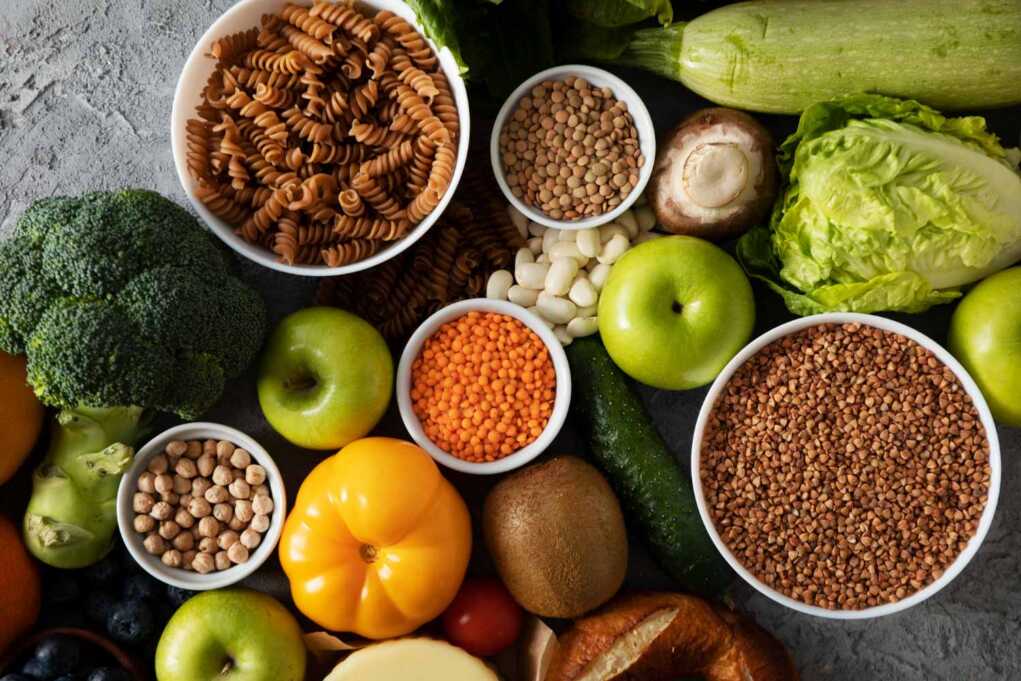
- Whole grains (brown rice, oats, whole wheat bread)
- Fruits (apples, pears, berries)
- Vegetables (broccoli, carrots, leafy greens)
- Legumes (beans, lentils, chickpeas)
- Nuts and seeds
Fiber supplements, such as psyllium husk, can also be effective if dietary intake is insufficient. However, it’s important to increase fiber gradually to avoid bloating or gas, and to drink plenty of water to help fiber work effectively.
Fiber and Long-Term Prevention
One of fiber’s greatest advantages is its role in prevention. Unlike creams and sitz baths, which are typically used after symptoms appear, fiber helps stop hemorrhoids from developing in the first place.
By promoting consistent, easy bowel movements, fiber reduces the likelihood of straining and minimizes pressure on rectal veins. Over time, this creates a healthier digestive system that is less prone to flare-ups.
This preventive effect is especially important for individuals who are at higher risk, such as those with sedentary lifestyles, chronic constipation, or diets low in plant-based foods.
Lifestyle Factors That Work With Fiber
While fiber is central, it works best as part of a broader approach to digestive health. Additional habits that support hemorrhoid relief include:
- Staying hydrated (water helps fiber soften stool)
- Avoiding prolonged sitting, especially on the toilet
- Exercising regularly to stimulate bowel function
- Responding promptly to the urge to have a bowel movement
These changes reinforce the benefits of fiber and further reduce the risk of recurrence.
When to Seek Medical Advice
Although most hemorrhoids can be managed with diet and lifestyle changes, persistent or severe symptoms should be evaluated by a healthcare professional. Bleeding, in particular, should not be ignored, as it may indicate other conditions.
Doctors may recommend additional treatments if necessary, but even in clinical settings, increasing fiber intake is almost always part of the treatment plan.
The Bottom Line
For real, lasting hemorrhoid relief, fiber should be the foundation of your approach. While creams and sitz baths can ease discomfort in the short term, they do not solve the underlying problem. Fiber, on the other hand, directly improves bowel function, reduces strain, and helps prevent future flare-ups.
In many ways, the solution is simpler than people expect. Instead of relying on quick fixes, focusing on diet—especially fiber intake—offers a more effective, sustainable path to relief and long-term digestive health.
Sources:
- Harvard Health Publishing – https://www.health.harvard.edu/staying-healthy/what-to-do-about-hemorrhoids
- Mayo Clinic – https://www.mayoclinic.org/diseases-conditions/hemorrhoids/symptoms-causes/syc-20360268
- Cochrane Database of Systematic Reviews – https://www.cochrane.org/evidence/CD004649_laxatives-treatment-hemorrhoids
- Cleveland Clinic – https://my.clevelandclinic.org/health/diseases/15193-hemorrhoids
- National Institute of Diabetes and Digestive and Kidney Diseases (NIDDK) – https://www.niddk.nih.gov/health-information/digestive-diseases/hemorrhoids
Disclaimer
The watching, interacting, and participation of any kind with anything on this page does not constitute or initiate a doctor-patient relationship with Dr. Farrah™. None of the statements here have been evaluated by the Food and Drug Administration (FDA). The products of Dr. Farrah™ are not intended to diagnose, treat, cure, or prevent any disease. The information being provided should only be considered for education and entertainment purposes only. If you feel that anything you see or hear may be of value to you on this page or on any other medium of any kind associated with, showing, or quoting anything relating to Dr. Farrah™ in any way at any time, you are encouraged to and agree to consult with a licensed healthcare professional in your area to discuss it. If you feel that you’re having a healthcare emergency, seek medical attention immediately. The views expressed here are simply either the views and opinions of Dr. Farrah™ or others appearing and are protected under the first amendment.
Dr. Farrah™ is a highly experienced Licensed Medical Doctor certified in evidence-based clinical nutrition, not some enthusiast, formulator, or medium promoting the wild and unrestrained use of nutrition products for health issues without clinical experience and scientific evidence of therapeutic benefit. Dr. Farrah™ has personally and keenly studied everything she recommends, and more importantly, she’s closely observed the reactions and results in a clinical setting countless times over the course of her career involving the treatment of over 150,000 patients.
Dr. Farrah™ promotes evidence-based natural approaches to health, which means integrating her individual scientific and clinical expertise with the best available external clinical evidence from systematic research. By individual clinical expertise, I refer to the proficiency and judgment that individual clinicians acquire through clinical experience and clinical practice.
Dr. Farrah™ does not make any representation or warranties with respect to the accuracy, applicability, fitness, or completeness of any multimedia content provided. Dr. Farrah™ does not warrant the performance, effectiveness, or applicability of any sites listed, linked, or referenced to, in, or by any multimedia content.
To be clear, the multimedia content is not intended to be a substitute for professional medical advice, diagnosis, or treatment. Always seek the advice of your physician or other qualified health providers with any questions you may have regarding a medical condition. Never disregard professional medical advice or delay in seeking it because of something you have read or seen in any website, video, image, or media of any kind. Dr. Farrah™ hereby disclaims any and all liability to any party for any direct, indirect, implied, punitive, special, incidental, or other consequential damages arising directly or indirectly from any use of the content, which is provided as is, and without warranties.