
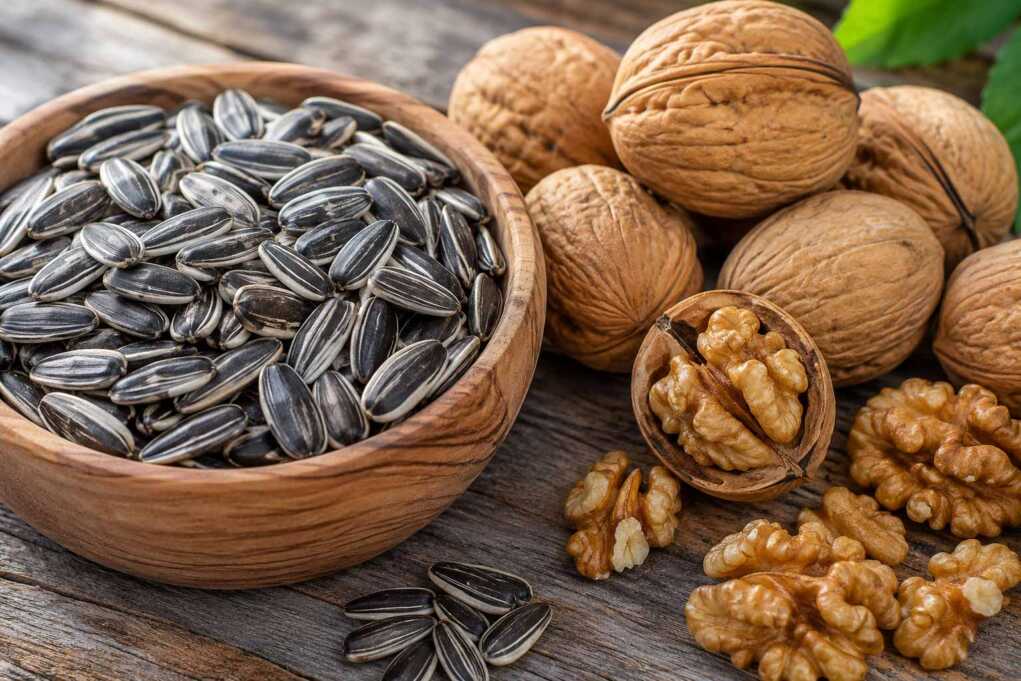
When it comes to protecting brain health through nutrition, nuts and seeds are often at the center of the conversation. Among the most talked-about options are sunflower seeds and walnuts — two nutrient-dense foods packed with healthy fats, antioxidants, vitamins, and minerals. Both are convenient snacks, easy to add to meals, and associated with benefits that extend beyond the brain, including heart and metabolic health. However, their nutritional strengths differ significantly, making each one uniquely beneficial for cognitive function.
Walnuts are widely praised for their high omega-3 fatty acid content, particularly alpha-linolenic acid (ALA), which plays a key role in brain structure and communication between neurons. Sunflower seeds, on the other hand, stand out for their exceptionally high vitamin E levels, a powerful antioxidant linked to reduced oxidative stress in the brain. While both foods support cognitive wellness, understanding how they work can help determine which one deserves a larger place in a brain-friendly diet.
Nutritional Profile Comparison
Sunflower seeds and walnuts both provide healthy fats, plant compounds, and essential nutrients, but they support brain health in different ways.
Walnuts: The Omega-3 Powerhouse
Walnuts are considered one of the best plant-based sources of omega-3 fatty acids. Research suggests omega-3s help maintain the structure of brain cells, improve communication between neurons, and reduce inflammation associated with cognitive decline. Walnuts also contain polyphenols and antioxidants that may protect brain tissue from oxidative damage.
Several studies have linked walnut consumption with improved memory, faster cognitive processing, and healthier aging. A systematic review published in Nutrients found evidence suggesting walnuts may positively influence cognition and reduce risk factors related to neurodegenerative disease.
In addition, walnuts contain melatonin, magnesium, and B vitamins, all of which contribute to nervous system support and overall brain performance. Their healthy fat composition also supports cardiovascular health, which is closely tied to long-term cognitive function.
Sunflower Seeds: The Vitamin E Champion
Sunflower seeds offer a different but equally important advantage for the brain: vitamin E. This antioxidant helps protect brain cells from oxidative stress, a process linked to aging and cognitive decline. Some research suggests adequate vitamin E intake may help slow age-related memory loss and support overall brain function.
These tiny seeds are also rich in magnesium, selenium, copper, and healthy fats that support nerve signaling and reduce inflammation. Magnesium, in particular, is involved in hundreds of neurological processes and may contribute to better mood regulation and mental performance.
Another advantage of sunflower seeds is affordability and accessibility. They are often less expensive than walnuts and can easily be added to salads, oatmeal, yogurt, smoothies, or homemade snack mixes.
Which One Is Better for Brain Health?
If the goal is maximizing omega-3 intake and supporting long-term cognitive protection, walnuts likely have the edge. Their concentration of plant-based omega-3 fatty acids makes them especially valuable for brain cell maintenance and inflammation reduction. Many nutrition experts consider walnuts one of the most brain-friendly nuts available.
However, sunflower seeds should not be overlooked. Their vitamin E content provides strong antioxidant protection, which is also essential for preserving brain function as people age. In fact, combining antioxidant-rich foods with omega-3 sources may provide complementary benefits for cognitive health.
The best approach may not be choosing one over the other, but incorporating both into a balanced diet. Walnuts can provide omega-3 support, while sunflower seeds contribute vitamin E and minerals that strengthen the brain’s defense systems. Together, they create a broader nutritional strategy for supporting memory, focus, and healthy aging.
Final Thoughts
Brain health depends on a wide variety of nutrients rather than a single “superfood.” Walnuts and sunflower seeds each offer unique cognitive benefits backed by nutritional science. Walnuts excel in omega-3 fatty acids linked to memory and cognitive performance, while sunflower seeds shine with antioxidant-rich vitamin E that helps defend brain cells from damage.
For most people, including both foods in moderation may be the smartest choice. A handful of walnuts paired with sunflower seeds in salads, oatmeal, or trail mix can provide a balanced combination of healthy fats, antioxidants, and minerals that support both brain and overall health.
Sources:
- Healthline – Sunflower Seeds Nutrition and Benefits
- Healthline – Science-Backed Benefits of Walnuts
- Cleveland Clinic – Health Benefits of Sunflower Seeds
- Verywell Health – Sunflower Seeds vs. Walnuts for Brain Health
- LiveStrong – Why Walnuts Support Brain Health
Disclaimer
The watching, interacting, and participation of any kind with anything on this page does not constitute or initiate a doctor-patient relationship with Dr. Farrah™. None of the statements here have been evaluated by the Food and Drug Administration (FDA). The products of Dr. Farrah™ are not intended to diagnose, treat, cure, or prevent any disease. The information being provided should only be considered for education and entertainment purposes only. If you feel that anything you see or hear may be of value to you on this page or on any other medium of any kind associated with, showing, or quoting anything relating to Dr. Farrah™ in any way at any time, you are encouraged to and agree to consult with a licensed healthcare professional in your area to discuss it. If you feel that you’re having a healthcare emergency, seek medical attention immediately. The views expressed here are simply either the views and opinions of Dr. Farrah™ or others appearing and are protected under the first amendment.
Dr. Farrah™ is a highly experienced Licensed Medical Doctor certified in evidence-based clinical nutrition, not some enthusiast, formulator, or medium promoting the wild and unrestrained use of nutrition products for health issues without clinical experience and scientific evidence of therapeutic benefit. Dr. Farrah™ has personally and keenly studied everything she recommends, and more importantly, she’s closely observed the reactions and results in a clinical setting countless times over the course of her career involving the treatment of over 150,000 patients.
Dr. Farrah™ promotes evidence-based natural approaches to health, which means integrating her individual scientific and clinical expertise with the best available external clinical evidence from systematic research. By individual clinical expertise, I refer to the proficiency and judgment that individual clinicians acquire through clinical experience and clinical practice.
Dr. Farrah™ does not make any representation or warranties with respect to the accuracy, applicability, fitness, or completeness of any multimedia content provided. Dr. Farrah™ does not warrant the performance, effectiveness, or applicability of any sites listed, linked, or referenced to, in, or by any multimedia content.
To be clear, the multimedia content is not intended to be a substitute for professional medical advice, diagnosis, or treatment. Always seek the advice of your physician or other qualified health providers with any questions you may have regarding a medical condition. Never disregard professional medical advice or delay in seeking it because of something you have read or seen in any website, video, image, or media of any kind. Dr. Farrah™ hereby disclaims any and all liability to any party for any direct, indirect, implied, punitive, special, incidental, or other consequential damages arising directly or indirectly from any use of the content, which is provided as is, and without warranties.