
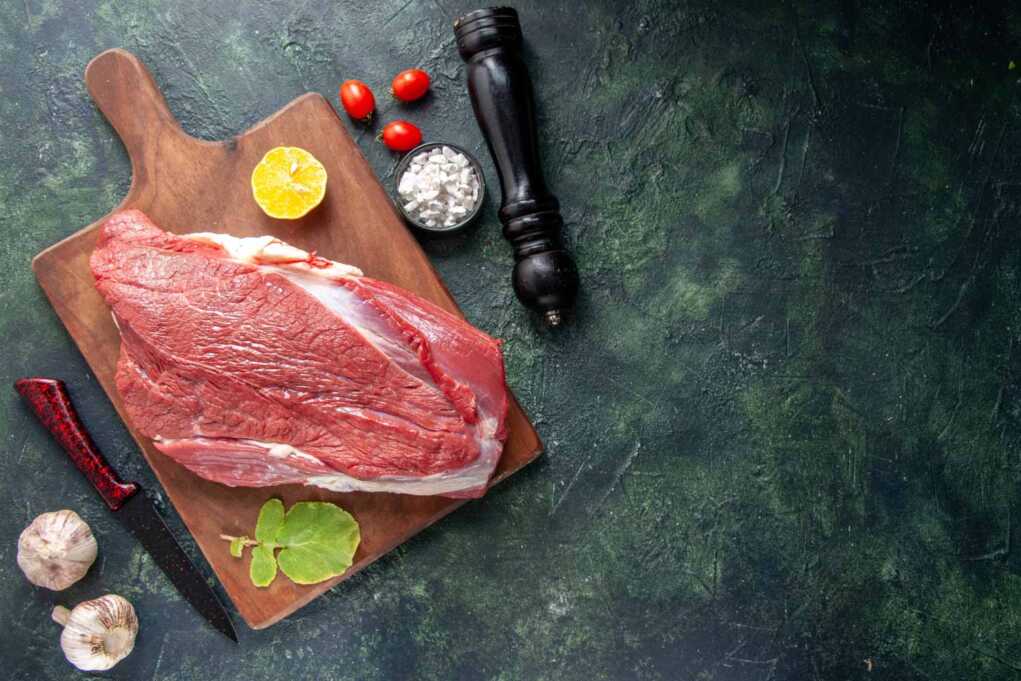
Red meat has long been a staple in many diets around the world, celebrated for its rich flavor and high protein content. However, in recent years, it’s also become the focus of increasing scrutiny by health experts and researchers. Mounting scientific evidence has linked the consumption of red and processed meats to various health concerns—chief among them, an increased risk of cancer. But does enjoying a steak or burger occasionally really put you at higher risk?
The short answer: Yes, but context matters. While the strongest evidence points to processed meats as a clear cancer risk, unprocessed red meats—like beef, pork, and lamb—also show probable links to certain cancers, particularly colorectal. The nuances lie in the type of meat, frequency of consumption, cooking methods, and overall diet and lifestyle. In this article, we’ll break down what the latest research says, explore the mechanisms behind the risk, and offer practical advice for making healthier choices.
1. Processed Meat: A Clear Culprit
The International Agency for Research on Cancer (IARC), part of WHO, classifies processed meat—like bacon, sausages, and deli meats—as carcinogenic to humans (Group 1). Evidence is strongest for colorectal (bowel) cancer World Health OrganizationCancer Research UKCleveland Clinic.
Quantitatively, every 50g of processed meat eaten daily (about one hot dog or six bacon slices) raises colorectal cancer risk by approximately 18% World Health OrganizationThe Nutrition SourceSutter Health.
2. Red Meat: Probably a Risk
Unprocessed red meat—such as beef, pork, and lamb—is classified as “probably carcinogenic” (Group 2A), indicating limited but concerning evidence World Health OrganizationCleveland Clinic. The strongest link again is to colorectal cancer, though associations with pancreatic and prostate cancers have also been suggested World Health OrganizationCancer Research UKCleveland Clinic.
3. Quantified Risks from Meta-Analyses
Multiple large-scale meta-analyses have shed light on the magnitude of these risks:
- One comprehensive review of 148 studies found that high red meat intake increases risk of:
- Breast (9%),
- Endometrial (25%),
- Colorectal (10%),
- Colon (17%),
- Rectal (22%),
- Lung (26%),
- Liver (22%) cancers.
Processed meat raised risk further: colorectal (+18%), breast (+6%), colon (+21%), rectal (+22%), lung (+12%) PubMed.
- Another meta-analysis confirmed red meat is linked to colorectal (RR 1.09), colon (RR 1.13) cancers, while processed meat showed stronger associations with colorectal (RR 1.19), colon (RR 1.24), and rectal (RR 1.24%) cancers RedditPubMedAAFP.
- A study of nearly 500,000 people reported those eating red or processed meat ≥4 times weekly had a 20% higher colorectal cancer risk than those eating it <2 times weekly. Each 25g of processed or 50g red meat daily was associated with ~19% and ~18% increased risk, respectively Harvard HealthHarvard Health.
4. Mechanisms Behind the Risk
Several plausible biological mechanisms help explain these associations:
- Heme iron, abundant in red meat, can facilitate formation of harmful N‑nitroso compounds (NOCs) that may damage gut lining World Cancer Research FundNational Nutrition Council.
- Cooking at high temperatures (grilling, frying) produces heterocyclic amines (HCAs) and polycyclic aromatic hydrocarbons (PAHs) that can cause DNA mutations American Institute for Cancer ResearchVerywell Health.
- Preservatives like nitrates/nitrites in processed meat also form carcinogenic NOCs American Institute for Cancer ResearchNational Nutrition Council.
5. General Consensus & Dietary Guidance
- Cancer Research UK states processed meat does cause bowel cancer, while red meat probably increases the risk Cancer Research UK.
- The American Academy of Family Physicians (AAFP) strongly recommends reducing both red and processed meat intake due to elevated risks of breast, colorectal, and lung cancers, among others AAFP.
- The American Institute for Cancer Research (AICR) advises limiting red meat to no more than 18 ounces (cooked) per week and avoiding processed meats entirely OncolinkAmerican Institute for Cancer Research.
6. Putting Risk in Perspective
Although associations are consistent, risk magnitude per individual remains relatively modest. A Harvard-meta review reported that 50g/day of processed meat increases lifetime colorectal cancer risk from about 5% to 6% The Nutrition Source.
WHO estimates around 34,000 cancer deaths annually are attributable to processed meat diets, and up to 50,000 for red meat, compared to ~1 million due to smoking World Health Organization.
7. Bottom Line: Moderation Is Key
- Processed meats are definitively linked to cancer risk—best avoided or eaten sparingly.
- Red meat carries probable risk—moderation, such as staying under about 18 oz cooked/week, is wise.
- Cooking methods matter: opt for lower-temperature techniques, and diversify protein sources (fish, poultry, beans, nuts).
- Combine dietary choices with overall healthy habits—fiber-rich plant foods, physical activity, weight management—for best protective effect.
References:
(Below are links to the reputable sources referenced above.)
- Systematic review and meta-analysis of red/processed meat and cancer incidence (PubMed)
- AAFP: Does consumption of red and processed meats increase cancer risk?
- Harvard Health: Red and processed meats raise colorectal cancer risk
- WHO Q&A on carcinogenicity of red/processed meat
- Cancer Research UK: Does processed and red meat cause cancer?
- AICR: Red meat and processed meats and cancer risk
- OncoLink: Diet and Cancer Risk
- Verywell Health: Does Red Meat Cause Cancer?
- Harvard Nutrition Source: Risk increase from processed meat depiction
Disclaimer
The watching, interacting, and participation of any kind with anything on this page does not constitute or initiate a doctor-patient relationship with Dr. Farrah™. None of the statements here have been evaluated by the Food and Drug Administration (FDA). The products of Dr. Farrah™ are not intended to diagnose, treat, cure, or prevent any disease. The information being provided should only be considered for education and entertainment purposes only. If you feel that anything you see or hear may be of value to you on this page or on any other medium of any kind associated with, showing, or quoting anything relating to Dr. Farrah™ in any way at any time, you are encouraged to and agree to consult with a licensed healthcare professional in your area to discuss it. If you feel that you’re having a healthcare emergency, seek medical attention immediately. The views expressed here are simply either the views and opinions of Dr. Farrah™ or others appearing and are protected under the first amendment.
Dr. Farrah™ is a highly experienced Licensed Medical Doctor certified in evidence-based clinical nutrition, not some enthusiast, formulator, or medium promoting the wild and unrestrained use of nutrition products for health issues without clinical experience and scientific evidence of therapeutic benefit. Dr. Farrah™ has personally and keenly studied everything she recommends, and more importantly, she’s closely observed the reactions and results in a clinical setting countless times over the course of her career involving the treatment of over 150,000 patients.
Dr. Farrah™ promotes evidence-based natural approaches to health, which means integrating her individual scientific and clinical expertise with the best available external clinical evidence from systematic research. By individual clinical expertise, I refer to the proficiency and judgment that individual clinicians acquire through clinical experience and clinical practice.
Dr. Farrah™ does not make any representation or warranties with respect to the accuracy, applicability, fitness, or completeness of any multimedia content provided. Dr. Farrah™ does not warrant the performance, effectiveness, or applicability of any sites listed, linked, or referenced to, in, or by any multimedia content.
To be clear, the multimedia content is not intended to be a substitute for professional medical advice, diagnosis, or treatment. Always seek the advice of your physician or other qualified health providers with any questions you may have regarding a medical condition. Never disregard professional medical advice or delay in seeking it because of something you have read or seen in any website, video, image, or media of any kind. Dr. Farrah™ hereby disclaims any and all liability to any party for any direct, indirect, implied, punitive, special, incidental, or other consequential damages arising directly or indirectly from any use of the content, which is provided as is, and without warranties.