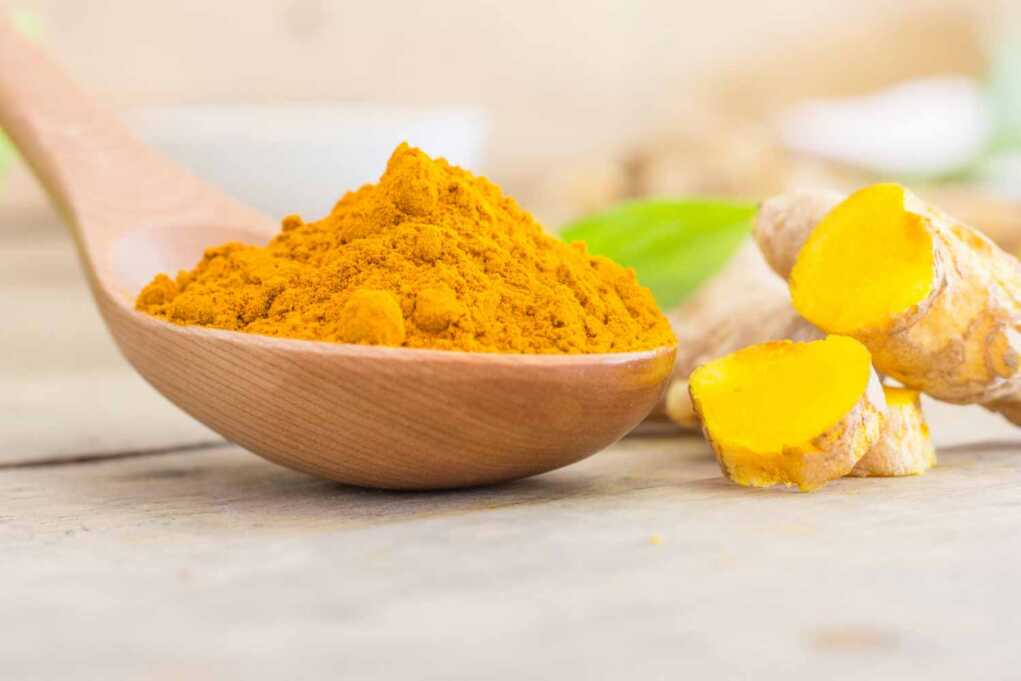
Managing weight is a critical component of living well with type 2 diabetes or prediabetes. Excess body fat, especially around the abdomen, contributes to insulin resistance and inflammation—two central drivers of metabolic dysfunction. While standard recommendations emphasize diet, exercise, and medication, many people are increasingly turning to natural supplements to support their health. One such supplement that’s gaining momentum is turmeric, a golden-yellow spice long used in Ayurvedic and traditional Chinese medicine.
Turmeric’s active compound, curcumin, has been extensively studied for its anti-inflammatory, antioxidant, and metabolic effects. Emerging research now suggests that curcumin may offer modest but meaningful benefits for weight control and blood sugar regulation—especially in people with prediabetes and type 2 diabetes. But how strong is the science? And can this ancient spice really make a difference in modern diabetes care?
What the Research Shows
1. Modest Weight and Waist Reductions
A comprehensive dose–response meta-analysis of 20 randomized controlled trials found that turmeric or curcumin supplementation led to modest weight reduction: approximately –1.9 kg for those with type 2 diabetes, and –2.5 kg for prediabetic individuals. Waist circumference also decreased modestly, especially with higher doses (≥1,500 mg/day) and longer durations (≥22 weeks).
2. Improvements in Body Composition
Another meta-analysis confirmed significant reductions in body weight, waist circumference, fat mass percentage, and hip circumference in people with type 2 diabetes. In prediabetics, similar benefits on weight and waist size were observed.
3. Better Glycemic Control
Turmeric isn’t just about shrinking waistlines—it also appears to help with blood sugar control. One meta-analysis reported:
- Fasting blood glucose ↓ by ~7.9 mg/dL
- HbA1c ↓ by ~0.38%
- Improvements in insulin resistance (HOMA‑IR) and fasting insulin.
Another meta-analysis of 18 trials (1,382 participants) showed significant reductions:
- Fasting glucose: ~11.5 mg/dL
- HbA1c: ~0.54%
- Lowered C-reactive protein (marker of inflammation).
Additional reviews reinforce these findings, noting improvements in fasting glucose, insulin resistance, and HbA1c.
4. Long-term Benefits Observed in Clinical Trial
In a 12‑month trial of overweight patients with type 2 diabetes, 1,500 mg/day of curcumin led to:
- Lower fasting glucose (115 vs. 131 mg/dL)
- HbA1c reduction (6.12% vs. 6.47%)
- Improved β‑cell function and reduced insulin resistance (HOMA‑β up; HOMA‑IR down)
- Lower BMI (approx. 26 vs. 29).
5. Mechanisms and Bioavailability
Curcumin is inherently poorly absorbed. Combining turmeric with black pepper (which contains piperine) can enhance curcumin’s bioavailability by up to 2,000%. Curcumin’s benefits likely stem from its anti-inflammatory action, ability to curb fat accumulation, and influence on energy regulation and metabolic signaling.
A Balanced Perspective
- Effects Are Modest
While measurable, weight reductions are modest—typically 2 to 2.5 kg over weeks to months, not a standalone cure. - Evidence Quality Varies
Many trials had small sample sizes, varied dosages and durations, and methodological differences that reduce the certainty of findings. - Medication Interactions & Side Effects
High doses of turmeric/curcumin may interact with medications such as anticoagulants and diabetes drugs, increasing the risk of bleeding or hypoglycemia. Also, gastrointestinal discomfort or liver-related effects may occur at high intake levels. - Use as an Adjunct Only
Leading medical authorities emphasize turmeric should complement—not replace—established diabetes treatments, diet, and physical activity.
Practical Tips for Safe Inclusion of Turmeric
- Prefer food-based sources like curries, soups, or whole spice powder in cooking. This approach is generally safe and easier to manage.
- If considering supplements, choose reputable brands (e.g., those USP-certified), ideally those including piperine or other absorption enhancers.
- Starting doses often range from 500 to 1,500 mg daily, with higher doses reserved for short-term use under medical supervision.
- Always discuss with your healthcare provider—especially if you’re taking medications or have existing health conditions such as bleeding disorders or liver issues.
Conclusion
Turmeric, particularly its curcumin component, shows promising but modest benefits for weight control and glycemic management in diabetes and prediabetes. The spice’s anti-inflammatory and metabolic actions—combined with the enhanced absorption when paired with black pepper—offer potential as a safe, complementary tool.
That said, turmeric is not a magic bullet. Its effects are modest and best realized when paired with a healthy lifestyle and medical oversight. If you’re curious about integrating turmeric into your routine, consider starting with culinary use and discuss supplementation with your doctor for personalized guidance.
Further Reading & Sources:
- EatingWell: Meta-analysis on turmeric/curcumin and weight changes in prediabetes and type 2 diabetes EatingWell
- PubMed – Meta-analysis on anthropometric indices (weight, waist, fat mass) in prediabetes and T2DM PubMed
- PubMed – Meta-analysis on glycometabolism: Fasting glucose, HbA1c, HOMA‑IR PubMed
- PubMed – Curcumin effects on glucose and inflammation (fasting glucose, HbA1c, CRP) PubMed
- Verywell Health – Medication interactions with turmeric Verywell Health
- Verywell Health – Turmeric & black pepper synergistic bioavailability Verywell Health
Disclaimer
The watching, interacting, and participation of any kind with anything on this page does not constitute or initiate a doctor-patient relationship with Dr. Farrah™. None of the statements here have been evaluated by the Food and Drug Administration (FDA). The products of Dr. Farrah™ are not intended to diagnose, treat, cure, or prevent any disease. The information being provided should only be considered for education and entertainment purposes only. If you feel that anything you see or hear may be of value to you on this page or on any other medium of any kind associated with, showing, or quoting anything relating to Dr. Farrah™ in any way at any time, you are encouraged to and agree to consult with a licensed healthcare professional in your area to discuss it. If you feel that you’re having a healthcare emergency, seek medical attention immediately. The views expressed here are simply either the views and opinions of Dr. Farrah™ or others appearing and are protected under the first amendment.
Dr. Farrah™ is a highly experienced Licensed Medical Doctor certified in evidence-based clinical nutrition, not some enthusiast, formulator, or medium promoting the wild and unrestrained use of nutrition products for health issues without clinical experience and scientific evidence of therapeutic benefit. Dr. Farrah™ has personally and keenly studied everything she recommends, and more importantly, she’s closely observed the reactions and results in a clinical setting countless times over the course of her career involving the treatment of over 150,000 patients.
Dr. Farrah™ promotes evidence-based natural approaches to health, which means integrating her individual scientific and clinical expertise with the best available external clinical evidence from systematic research. By individual clinical expertise, I refer to the proficiency and judgment that individual clinicians acquire through clinical experience and clinical practice.
Dr. Farrah™ does not make any representation or warranties with respect to the accuracy, applicability, fitness, or completeness of any multimedia content provided. Dr. Farrah™ does not warrant the performance, effectiveness, or applicability of any sites listed, linked, or referenced to, in, or by any multimedia content.
To be clear, the multimedia content is not intended to be a substitute for professional medical advice, diagnosis, or treatment. Always seek the advice of your physician or other qualified health providers with any questions you may have regarding a medical condition. Never disregard professional medical advice or delay in seeking it because of something you have read or seen in any website, video, image, or media of any kind. Dr. Farrah™ hereby disclaims any and all liability to any party for any direct, indirect, implied, punitive, special, incidental, or other consequential damages arising directly or indirectly from any use of the content, which is provided as is, and without warranties.