
High cholesterol is one of the leading risk factors for heart disease, which remains the number one cause of death worldwide. LDL cholesterol, commonly labeled as “bad cholesterol,” contributes to plaque buildup in arteries, increasing the risk of heart attack and stroke. On the other hand, HDL cholesterol, or “good cholesterol,” helps remove excess cholesterol from the bloodstream.
Maintaining balanced cholesterol levels isn’t just about preventing cardiovascular events—it’s about ensuring long-term vitality, better circulation, and overall well-being. While conventional treatments such as statins remain the standard approach, growing research suggests that natural compounds like berberine may offer a powerful alternative or complement to traditional therapies.
This article explores the science-backed ways berberine may lower cholesterol and support heart health, while also addressing its broader benefits, safety considerations, and common questions.
What Is Berberine?
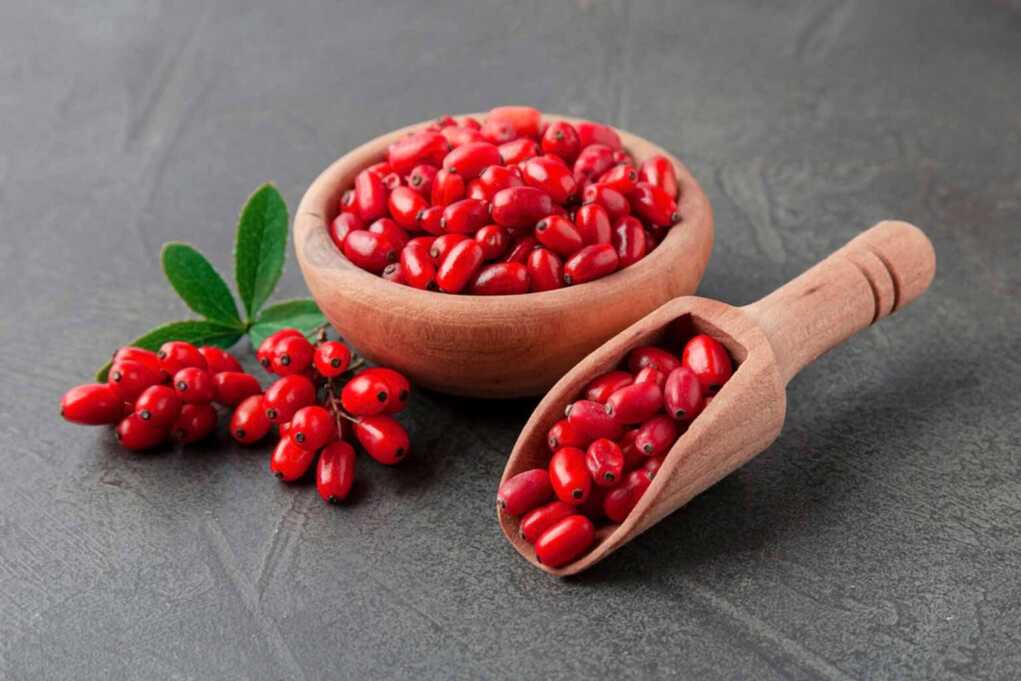
Berberine is a bioactive compound extracted from various plants, including barberry, goldenseal, Oregon grape, and tree turmeric. Recognized for its bright yellow color, it has been used in traditional Chinese and Ayurvedic medicine for centuries to treat digestive issues, infections, and metabolic disorders.
Natural Sources of Berberine
- Barberry (Berberis vulgaris)
- Goldenseal (Hydrastis canadensis)
- Oregon grape (Mahonia aquifolium)
- Tree turmeric (Berberis aristata)
Traditional Uses of Berberine
- Supporting digestion and gut health
- Managing infections due to its antimicrobial properties
- Promoting liver function and detoxification
- Balancing blood sugar levels
While its traditional uses were vast, modern science has zeroed in on berberine’s potential role in cardiovascular health and cholesterol regulation.
How Berberine Impacts Cholesterol Levels
Berberine and LDL (“Bad”) Cholesterol
Research shows berberine lowers LDL cholesterol by increasing the number of LDL receptors in the liver, allowing more cholesterol to be cleared from the blood.
Berberine and HDL (“Good”) Cholesterol
Studies suggest berberine may increase HDL levels, providing a natural boost to the body’s cholesterol-balancing mechanism.
Berberine and Triglycerides
High triglycerides often accompany high LDL, but berberine has been shown to reduce triglyceride levels by improving fat metabolism in the liver.
Mechanisms: How Berberine Works in the Body
AMPK Activation and Metabolism
Berberine activates AMP-activated protein kinase (AMPK), a key enzyme often referred to as the body’s “metabolic master switch.” This helps improve energy use, fat burning, and cholesterol breakdown.
Gut Microbiome Regulation
Emerging evidence suggests berberine shapes the gut microbiota, reducing harmful bacteria linked to cholesterol imbalance while supporting beneficial strains.
Liver Function and Lipid Processing
By improving liver enzyme activity, berberine enhances bile acid excretion, leading to lower cholesterol absorption and more efficient fat processing.
Clinical Studies on Berberine and Heart Health
Human Trials and Cholesterol Reduction
Multiple clinical studies have demonstrated berberine’s ability to reduce total cholesterol, LDL, and triglycerides significantly over a period of 8–12 weeks.
Comparative Effectiveness vs. Statins
While statins remain more potent overall, research indicates that berberine offers comparable benefits for mild to moderate cholesterol issues, especially for patients who cannot tolerate statins.
(External reference: National Library of Medicine)
Top 10 Science-Backed Benefits of Berberine for Heart Health
- Lowers LDL Cholesterol
Berberine enhances liver LDL receptor activity, clearing “bad cholesterol” from circulation.
- Boosts HDL Cholesterol
It helps raise “good cholesterol” levels, supporting overall lipid balance.
- Reduces Triglycerides
Berberine regulates fat metabolism, preventing excess triglyceride buildup.
- Improves Blood Sugar Control
By increasing insulin sensitivity, berberine lowers glucose and indirectly protects arteries.
- Supports Healthy Weight Management
Weight loss linked to berberine reduces strain on the heart.
- Reduces Inflammation in Arteries
Berberine downregulates inflammatory markers that contribute to atherosclerosis.
- Enhances Endothelial Function
Healthy blood vessel lining means improved circulation and reduced clotting risk.
- Protects Against Oxidative Stress
Berberine’s antioxidant properties defend against free radical damage.
- Promotes Healthy Blood Pressure
Clinical trials suggest berberine supports stable blood pressure levels.
- May Reduce Risk of Atherosclerosis
By combining its effects on cholesterol, inflammation, and blood sugar, berberine reduces arterial plaque buildup.
How to Use Berberine Safely
Recommended Dosage
- Standard dose: 500 mg, 2–3 times daily
- Best taken before meals for maximum absorption
Possible Side Effects
- Mild gastrointestinal discomfort (bloating, constipation, or diarrhea)
- Rarely, headaches or dizziness
Interactions with Medications
- Berberine may interact with statins, diabetes medications, and blood pressure drugs. Always consult a healthcare professional before use.
FAQs About Berberine and Heart Health
- Can berberine replace statins?
Not entirely; it may help people who can’t tolerate statins or as an add-on therapy. - How long does it take for berberine to lower cholesterol?
Most studies show improvements within 8–12 weeks. - Is berberine safe for long-term use?
Yes, but periodic medical supervision is recommended. - Can berberine help with high blood pressure too?
Yes, studies indicate it may modestly reduce blood pressure. - Is berberine safe for diabetics?
Yes, it’s particularly beneficial for type 2 diabetics, but medication adjustments may be necessary. - Are there natural food sources of berberine?
Yes—barberry, goldenseal, and Oregon grape contain berberine.
Conclusion: Can Berberine Truly Support Heart Health?
The evidence is clear—berberine is a powerful, science-backed natural compound that lowers LDL cholesterol, raises HDL, reduces triglycerides, and supports cardiovascular wellness. While it isn’t a replacement for conventional medications, it’s a promising ally for people seeking natural approaches to heart health.
Combined with a balanced diet, exercise, and medical guidance, berberine may help many individuals achieve healthier cholesterol levels and reduce heart disease risk.
Disclaimer
The watching, interacting, and participation of any kind with anything on this page does not constitute or initiate a doctor-patient relationship with Dr. Farrah™. None of the statements here have been evaluated by the Food and Drug Administration (FDA). The products of Dr. Farrah™ are not intended to diagnose, treat, cure, or prevent any disease. The information being provided should only be considered for education and entertainment purposes only. If you feel that anything you see or hear may be of value to you on this page or on any other medium of any kind associated with, showing, or quoting anything relating to Dr. Farrah™ in any way at any time, you are encouraged to and agree to consult with a licensed healthcare professional in your area to discuss it. If you feel that you’re having a healthcare emergency, seek medical attention immediately. The views expressed here are simply either the views and opinions of Dr. Farrah™ or others appearing and are protected under the first amendment.
Dr. Farrah™ is a highly experienced Licensed Medical Doctor certified in evidence-based clinical nutrition, not some enthusiast, formulator, or medium promoting the wild and unrestrained use of nutrition products for health issues without clinical experience and scientific evidence of therapeutic benefit. Dr. Farrah™ has personally and keenly studied everything she recommends, and more importantly, she’s closely observed the reactions and results in a clinical setting countless times over the course of her career involving the treatment of over 150,000 patients.
Dr. Farrah™ promotes evidence-based natural approaches to health, which means integrating her individual scientific and clinical expertise with the best available external clinical evidence from systematic research. By individual clinical expertise, I refer to the proficiency and judgment that individual clinicians acquire through clinical experience and clinical practice.
Dr. Farrah™ does not make any representation or warranties with respect to the accuracy, applicability, fitness, or completeness of any multimedia content provided. Dr. Farrah™ does not warrant the performance, effectiveness, or applicability of any sites listed, linked, or referenced to, in, or by any multimedia content.
To be clear, the multimedia content is not intended to be a substitute for professional medical advice, diagnosis, or treatment. Always seek the advice of your physician or other qualified health providers with any questions you may have regarding a medical condition. Never disregard professional medical advice or delay in seeking it because of something you have read or seen in any website, video, image, or media of any kind. Dr. Farrah™ hereby disclaims any and all liability to any party for any direct, indirect, implied, punitive, special, incidental, or other consequential damages arising directly or indirectly from any use of the content, which is provided as is, and without warranties.