
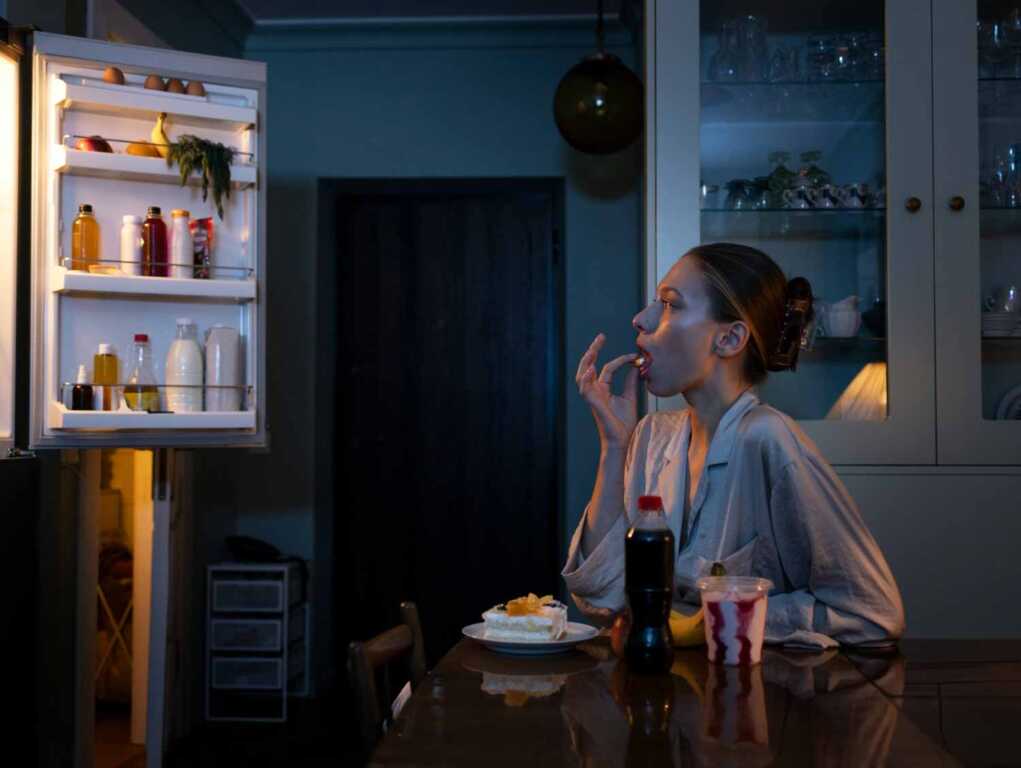
In today’s fast-paced world, many people find themselves eating dinner later in the evening—sometimes even close to bedtime. Whether it’s due to work schedules, family commitments, or simply habit, late-night meals have become increasingly common. However, growing evidence from nutrition science and metabolic research suggests that this pattern of eating may have serious consequences for blood sugar control. For individuals managing diabetes, pre-diabetes, or even those aiming to prevent metabolic issues, the timing of meals could be just as important as what’s on the plate.
Studies now show that the body’s ability to process glucose becomes less efficient as the day progresses. This is largely due to the natural circadian rhythm, which governs hormone production and metabolic activity. Insulin sensitivity—the body’s capacity to respond to insulin and keep blood sugar in check—tends to decline in the evening hours. When meals are consumed late, this drop in metabolic function can lead to higher and more prolonged post-meal blood sugar spikes, increasing the risk of insulin resistance and long-term complications. Understanding how meal timing affects blood sugar is key to building healthier eating habits, especially for those at risk of type 2 diabetes.
1. Circadian rhythms and declining insulin sensitivity
As evening approaches, the body’s natural circadian rhythm causes insulin sensitivity and pancreatic insulin secretion to decline. Research shows that a carbohydrate-rich meal eaten in the evening results in a significantly worse post‑meal glucose spike than the identical meal consumed earlier in the day—even in healthy individuals. This decline undermines glucose tolerance and complicates blood sugar control at night.
2. Clinical evidence: later dinners raise glucose levels
In older adults with pre‑diabetes or early type 2 diabetes, consuming over 45% of daily calories after 5 pm led to significantly higher blood glucose levels at 30 and 60 minutes post‑meals—even when total calorie and macronutrient intake matched that of early eaters.
A controlled crossover trial in patients with type 2 diabetes showed that a 9 pm dinner caused much higher glucose and insulin responses than the same dinner at 6 pm. Splitting the dinner between early and late portions improved those responses significantly.
3. Melatonin and genetic vulnerability
Eating close to bedtime, when melatonin levels are elevated, can impair insulin secretion—especially in individuals carrying a common genetic variant (MTNR1B) linked to increased risk of type 2 diabetes. That means for some, late eating may provoke larger blood sugar disruptions due to genetic susceptibility.
4. Population studies: late evening habits linked to glucose regulation issues
Cross‐sectional data from hundreds of adults with type 2 diabetes indicate that late‑evening or nighttime eating (≥ 3 times/week) is very common—yet its direct relationship with HbA1c or BMI in that study was not statistically significant; however, other cohort analyses suggest women who habitually consume food late at night may face elevated risk of progressing to pre‑diabetes or diabetes over time.
5. Chrononutrition and meal timing strategies
The emerging field of chrononutrition emphasizes aligning food intake with our internal biological clocks. Researchers find that restricting food to earlier windows in the day (for example, finishing dinner by early evening) helps synchronize metabolic hormones and supports healthier glucose regulation. Late-night meals, by contrast, often disrupt this natural alignment, increasing cardiometabolic risk.
What This Means for Blood Sugar Control
- Eating late reduces the body’s ability to handle glucose efficiently—a key issue for those with pre‑diabetes or type 2 diabetes.
- Post‑meal blood sugar spikes are larger and longer-lasting when dinners are delayed past early evening.
- Genetic factors and hormonal rhythms (like melatonin) amplify the negative effects of nighttime eating in some individuals.
- Over time, habitual late-night eating may contribute to higher long-term glucose markers (like HbA1c) and metabolic risk, especially in women.
- Adjusting mealtime—by eating earlier, splitting dinner, or shortening the eating window—can improve glucose dynamics and align with the body’s metabolic efficiency.
Practical Tips for Better Evening Blood Sugar Habits
- Aim to finish dinner at least 2–3 hours before sleep, ideally between ~5 pm and 7 pm.
- Consider dividing larger dinners into an early portion and smaller evening snack if needed.
- If late hunger strikes, opt for low‑carb, protein‑rich snacks (nuts, yogurt, vegetables) to minimize glucose spikes.
- Maintain consistent meal timing each day to reinforce your circadian rhythm.
- For people managing diabetes or pre‑diabetes, consult with healthcare professionals to build a personalized meal‑timing strategy.
Eating late in the evening may feel convenient, but mounting evidence suggests it compromises your body’s natural glucose control mechanisms. Shifting meals to earlier in the day—or adjusting dinner structure—can help maintain healthier blood sugar levels and support long-term metabolic health.
📚 Sources:
- Dangers of Late‑Night Eating: Risks to Glucose Tolerance and Overall Health (EMJ Reviews, Dec 2024) stelo.com+2Diabetic Diet Pro+2Health+2Diabetic Diet Pro+2stelo.com+2Verywell Health+2
- Late‑night‑dinner deteriorates postprandial glucose and insulin … (PubMed crossover trial) PubMed+2PubMed+2PubMed+2
- How the timing of dinner and genetics affect individuals’ blood sugar control (ScienceDaily / MGH) ScienceDaily+1Massachusetts General Hospital+1
- Late‑night‑dinner is associated with poor glycemic control … (KAMOGAWA‑DM cohort) PubMed+1PubMed+1
- Chrononutrition and meal‑timing research overview (current reviews & Verywell Health articles)
Disclaimer
The watching, interacting, and participation of any kind with anything on this page does not constitute or initiate a doctor-patient relationship with Veripeudic.com. None of the statements here have been evaluated by the Food and Drug Administration (FDA). The products of Veripeudic.com are not intended to diagnose, treat, cure, or prevent any disease. The information being provided should only be considered for education and entertainment purposes only. If you feel that anything you see or hear may be of value to you on this page or on any other medium of any kind associated with, showing, or quoting anything relating to Veripeudic.com in any way at any time, you are encouraged to and agree to consult with a licensed healthcare professional in your area to discuss it. If you feel that you’re having a healthcare emergency, seek medical attention immediately. The views expressed here are simply either the views and opinions of Veripeudic.com or others appearing and are protected under the first amendment.
Veripeudic.com promotes evidence-based natural approaches to health, which means integrating her individual scientific and clinical expertise with the best available external clinical evidence from systematic research. By individual clinical expertise, I refer to the proficiency and judgment that individual clinicians acquire through clinical experience and clinical practice.
Veripeudic.com does not make any representation or warranties with respect to the accuracy, applicability, fitness, or completeness of any multimedia content provided. Veripeudic.com does not warrant the performance, effectiveness, or applicability of any sites listed, linked, or referenced to, in, or by any multimedia content.
To be clear, the multimedia content is not intended to be a substitute for professional medical advice, diagnosis, or treatment. Always seek the advice of your physician or other qualified health providers with any questions you may have regarding a medical condition. Never disregard professional medical advice or delay in seeking it because of something you have read or seen in any website, video, image, or media of any kind. Veripeudic.com hereby disclaims any and all liability to any party for any direct, indirect, implied, punitive, special, incidental, or other consequential damages arising directly or indirectly from any use of the content, which is provided as is, and without warranties.