
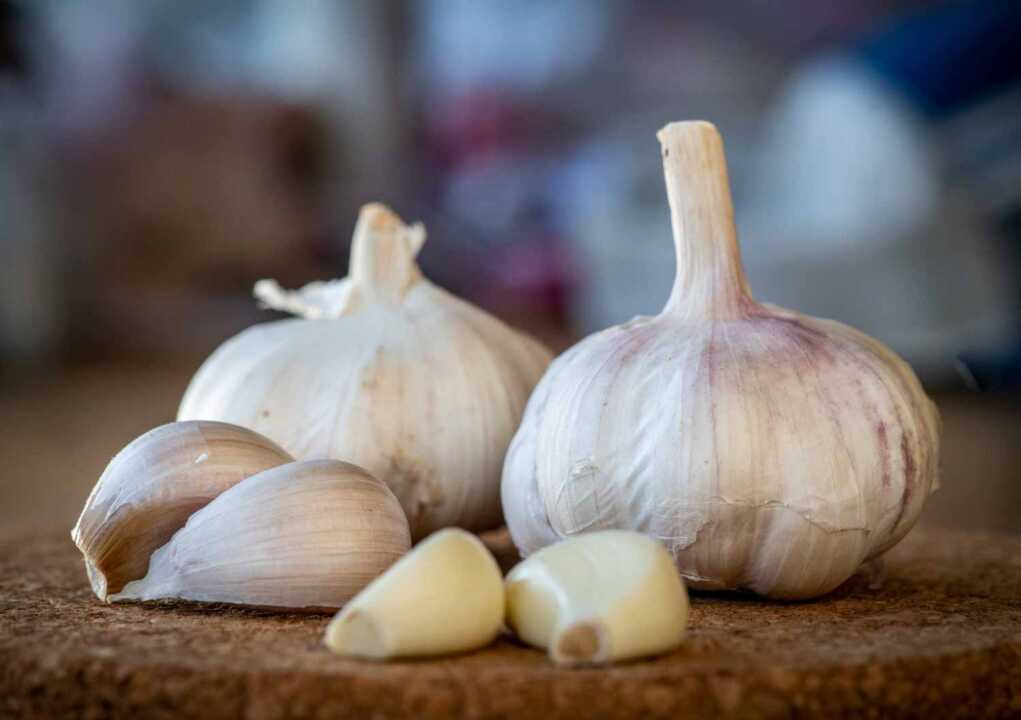
Garlic has been valued as both a food and a traditional remedy for thousands of years. Beyond its distinctive flavor and aroma, this pungent bulb contains natural sulfur compounds that have attracted significant scientific interest. Today, garlic is one of the most widely used ingredients worldwide and is commonly studied for its potential effects on heart health, immune function, inflammation, and overall wellness. Research suggests that many of garlic’s health-promoting properties are linked to compounds such as allicin, which is released when fresh garlic is chopped, crushed, or chewed.
While garlic can be a nutritious addition to a balanced diet, it is not a miracle cure. Studies indicate that regular garlic consumption may offer modest benefits for cardiovascular health and immune support, but results vary depending on the amount consumed, preparation method, and individual health factors. Like any food or supplement, garlic also has potential side effects and interactions that should be considered, especially for people taking blood-thinning medications or preparing for surgery.
What Is Garlic?
Garlic (Allium sativum) is a member of the allium family, which also includes onions, leeks, shallots, and chives. It has been used for culinary and medicinal purposes for centuries. Fresh garlic contains sulfur-containing compounds that produce its characteristic smell and contribute to many of its biological effects.
Garlic Nutrition Facts
One clove of raw garlic (approximately 3 grams) contains:
- Calories: About 4–5
- Carbohydrates: About 1 gram
- Protein: Less than 0.3 grams
- Fat: Nearly 0 grams
- Fiber: Small amounts
- Trace amounts of vitamin C, vitamin B6, manganese, and selenium
Although garlic is not a major source of vitamins or minerals due to the small quantities typically consumed, it contains beneficial plant compounds with antioxidant and anti-inflammatory properties.
Health Benefits of Garlic
1. May Support Heart Health
One of the most studied benefits of garlic is its potential impact on cardiovascular health. Research suggests garlic may help reduce total cholesterol and LDL (“bad”) cholesterol levels in some individuals. Some studies also indicate it may contribute to healthy blood pressure levels when consumed regularly.
2. Rich in Antioxidants
Garlic contains antioxidants that help protect cells from oxidative stress. Chronic oxidative damage has been linked to aging and various health conditions, including heart disease and certain cancers. The antioxidant compounds in garlic may help support the body’s natural defense systems.
3. May Boost Immune Function
Garlic has demonstrated antimicrobial and immune-supporting properties in laboratory and human studies. Some research suggests it may help reduce the severity or duration of common colds and support normal immune responses.
4. May Help Reduce Inflammation
Inflammation is a normal part of the body’s healing process, but chronic inflammation can contribute to disease development. Garlic contains bioactive compounds that may help lower inflammatory markers and support overall health.
5. May Support Blood Sugar Management
Emerging evidence suggests garlic may help improve certain blood sugar measurements and insulin sensitivity. While it should never replace prescribed diabetes treatments, garlic may be a beneficial addition to a healthy diet.
6. May Promote Gut Health
Garlic contains prebiotic compounds that help nourish beneficial gut bacteria. A healthy gut microbiome plays an important role in digestion, immunity, and overall health.
Common Uses of Garlic
Garlic can be incorporated into daily life in several ways:
Culinary Uses
- Flavoring soups, sauces, stews, and stir-fries
- Roasting whole bulbs for a milder taste
- Adding raw minced garlic to dressings and dips
- Seasoning vegetables, meats, and seafood
Health and Wellness Uses
- Garlic capsules or tablets
- Aged garlic extract supplements
- Garlic powder supplements
- Traditional home remedies for colds and immune support
Experts generally recommend obtaining garlic through food whenever possible rather than relying solely on supplements.
Is Raw Garlic Better Than Cooked Garlic?
Raw garlic typically contains higher amounts of active allicin because heat can reduce the activity of some beneficial compounds. However, cooked garlic still provides nutritional value and beneficial plant compounds. Allowing chopped or crushed garlic to sit for several minutes before cooking may help preserve some of its active compounds.
Possible Side Effects of Garlic
Although garlic is generally safe when consumed in normal food amounts, excessive intake may cause:
- Bad breath
- Body odor
- Heartburn
- Gas and bloating
- Nausea
- Stomach discomfort
- Diarrhea
These effects are more common with large amounts of raw garlic or high-dose supplements.
Allergic Reactions
Some individuals may experience allergic reactions ranging from mild skin irritation to more serious symptoms. Topical application of raw garlic can also cause burns and skin irritation.
Bleeding Risk
Garlic supplements may increase the risk of bleeding, especially when combined with blood-thinning medications such as warfarin or aspirin. Anyone taking anticoagulant medications should consult a healthcare professional before using garlic supplements.
Who Should Be Cautious With Garlic?
Consult a healthcare provider before using garlic supplements if you:
- Take blood-thinning medications
- Have a bleeding disorder
- Are scheduled for surgery
- Are pregnant or breastfeeding
- Take prescription medications that may interact with supplements
Garlic consumed as a food is generally considered safe for most healthy adults.
Final Thoughts
Garlic is a nutrient-rich ingredient that offers far more than flavor. Research suggests it may support heart health, immune function, antioxidant defenses, inflammation control, and gut health. While garlic can be a valuable part of a healthy diet, it is not a substitute for medical treatment, and excessive intake may lead to side effects or medication interactions. For most people, enjoying garlic regularly in meals is a safe and practical way to benefit from its unique nutritional profile.
Sources:
- National Center for Complementary and Integrative Health (NCCIH) – Garlic
- Cleveland Clinic – The Health Benefits of Garlic
- WebMD – Garlic: Is It Good For You?
- Healthline – Can You Eat Too Much Garlic?
- Health.com – Garlic Benefits, Nutrition and Risks
Disclaimer
The watching, interacting, and participation of any kind with anything on this page does not constitute or initiate a doctor-patient relationship with Dr. Farrah™. None of the statements here have been evaluated by the Food and Drug Administration (FDA). The products of Dr. Farrah™ are not intended to diagnose, treat, cure, or prevent any disease. The information being provided should only be considered for education and entertainment purposes only. If you feel that anything you see or hear may be of value to you on this page or on any other medium of any kind associated with, showing, or quoting anything relating to Dr. Farrah™ in any way at any time, you are encouraged to and agree to consult with a licensed healthcare professional in your area to discuss it. If you feel that you’re having a healthcare emergency, seek medical attention immediately. The views expressed here are simply either the views and opinions of Dr. Farrah™ or others appearing and are protected under the first amendment.
Dr. Farrah™ is a highly experienced Licensed Medical Doctor certified in evidence-based clinical nutrition, not some enthusiast, formulator, or medium promoting the wild and unrestrained use of nutrition products for health issues without clinical experience and scientific evidence of therapeutic benefit. Dr. Farrah™ has personally and keenly studied everything she recommends, and more importantly, she’s closely observed the reactions and results in a clinical setting countless times over the course of her career involving the treatment of over 150,000 patients.
Dr. Farrah™ promotes evidence-based natural approaches to health, which means integrating her individual scientific and clinical expertise with the best available external clinical evidence from systematic research. By individual clinical expertise, I refer to the proficiency and judgment that individual clinicians acquire through clinical experience and clinical practice.
Dr. Farrah™ does not make any representation or warranties with respect to the accuracy, applicability, fitness, or completeness of any multimedia content provided. Dr. Farrah™ does not warrant the performance, effectiveness, or applicability of any sites listed, linked, or referenced to, in, or by any multimedia content.
To be clear, the multimedia content is not intended to be a substitute for professional medical advice, diagnosis, or treatment. Always seek the advice of your physician or other qualified health providers with any questions you may have regarding a medical condition. Never disregard professional medical advice or delay in seeking it because of something you have read or seen in any website, video, image, or media of any kind. Dr. Farrah™ hereby disclaims any and all liability to any party for any direct, indirect, implied, punitive, special, incidental, or other consequential damages arising directly or indirectly from any use of the content, which is provided as is, and without warranties.