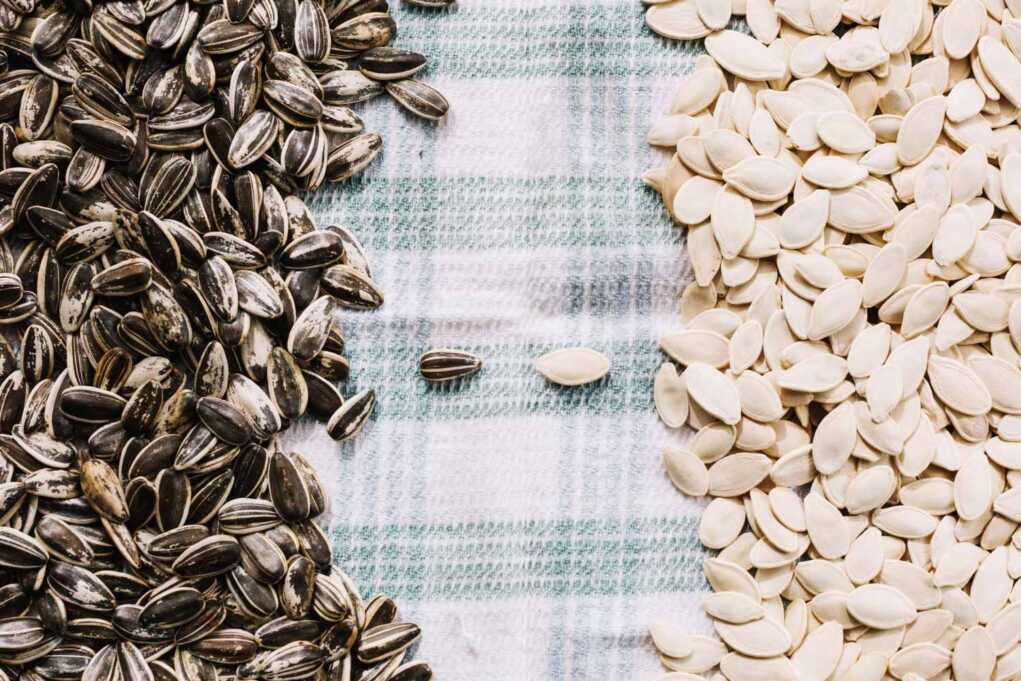
When considering nutrient-rich snacks, seeds often rank high on the list. Two popular options are pumpkin seeds (also called pepitas) and sunflower seeds—both heralded for their plant-based nutrition and versatile snack appeal. But if you’re specifically looking at fiber, protein, and overall nutrition, how do they compare? Decoding the nutritional profiles and health benefits of each can help you determine which seed better aligns with your dietary goals—whether that’s increasing protein intake, boosting fiber, or simply getting more “nutrient bang for your bite.”
In this comparison, we’ll explore how pumpkin seeds and sunflower seeds stack up side-by-side in terms of fiber content, protein quantity and quality, quantity of other nutrients like healthy fats and minerals, as well as how each fits into a balanced diet. The aim isn’t to crown a single “winner” for all uses, but rather to clarify their respective strengths and trade-offs so you can make an informed choice depending on your needs.
Fiber
For fiber, both seeds contribute—but the context matters. According to one source, one ounce (28 g) of shelled, roasted sunflower seeds provides about 3.2 grams of fiber. Healthline+1 Meanwhile, one ounce of whole roasted pumpkin seeds (with shell) provides about 5.2 grams of fiber; however when hulled (shell removed) the fiber drops considerably (to about 1.8 grams per ounce) since the shell contains the bulk of that fiber. WebMD+2Verywell Fit+2
Thus, if you eat unhulled pumpkin seeds (shell included) you get higher fiber per ounce compared to sunflower seeds (3.2 g vs ~5.2 g). If you prefer hulled pumpkin seeds (for convenience and texture), their fiber falls below sunflower seeds. So for fiber-boosting, unhulled pumpkin seeds have the edge, but you’ll need to chew the shells (or buy seed‐shell form) and be mindful of digestive comfort.
Protein
In the protein department, sunflower seeds provide around 5.5 g of protein per 1 ounce (~28 g) of shelled, dry-roasted kernels. Healthline+1 For pumpkin seeds, one source lists about 5.3 g of protein per ounce (whole roasted kernels) when the shell is removed. WebMD+1 Other sources suggest slightly higher numbers (e.g., ~8.4 g per 28 g hulled pumpkin seeds) depending on processing. Dry Fruit Daily
In short: sunflower seeds and pumpkin seeds are similar in protein content per ounce, with pumpkin seeds having a slight potential edge depending on variety/processing, but neither is a very high-protein food compared to legumes or meat. That said, they still contribute importantly in a plant-based diet—and can help with satiety when eaten as part of a snack.
Overall Nutrition (Minerals, Healthy Fats, Vitamins)
Beyond fiber and protein, each seed offers distinctive nutrition.
-
Pumpkin seeds are rich in minerals like magnesium, zinc, iron, copper, phosphorus, and are a good source of healthy (mono- and poly-) unsaturated fats. WebMD+1
-
Sunflower seeds shine when it comes to vitamin E, selenium, folate, and also provide healthy fats, along with plant compounds with antioxidant and anti-inflammatory potential. Healthline+1
Calories and fat content are similar regionally, so portion control matters—especially if salted or roasted in oil. Moreover, the shell (in pumpkin seeds) contributes extra fiber, but may also be harder to digest in some people.
Which Is Better? And For Whom
So which is “better”? It depends on your goals:
-
If you’re prioritising fiber and don’t mind munching seeds with shells, unhulled pumpkin seeds have a stronger fibre yield.
-
If you’re seeking ease of eating, convenience, and strong micronutrient support (vitamin E, selenium) then sunflower seeds may win.
-
If you’re focusing on plant-based protein, both provide modest amounts—not huge, but every little bit helps—so pick the one you’ll actually eat regularly.
-
In terms of overall nutrition, you don’t have to choose one exclusively: alternating or mixing both gives you broader nutrient coverage (minerals + vitamins + healthy fats + fiber).
Recommendation: Use them as snacks or add-ons (e.g., sprinkled on yogurt, salads, or oats). Keep portions to around 1 ounce (28 g) or a quarter-cup to avoid excessive calories. If opting for roasted/salted varieties, watch sodium and added oils. And if you have digestive sensitivities, start with smaller amounts, especially when eating shell-on pumpkin seeds.
Conclusion
In the head-to-head between pumpkin seeds and sunflower seeds, neither is a clear “winner” in every category—but each has distinct advantages. Pumpkin seeds (shell-on) offer somewhat greater fiber and strong mineral content; sunflower seeds offer excellent vitamin E, selenium, and ease of eating. The best choice is the one you’ll consistently enjoy and incorporate into your diet. By alternating or combining both, you’ll reap diverse nutritional benefits. As part of a balanced, whole-food diet, seeds like these can be a tasty, nutrient-dense addition—just be mindful of portion sizes and choose unsalted, roasted or raw varieties when possible.
Sources:
- Healthline – Sunflower Seeds: Nutrition, Benefits, and How to Eat. https://www.healthline.com/nutrition/sunflower-seeds Healthline
- Verywell Fit – Pumpkin Seed Nutrition Facts and Health Benefits. https://www.verywellfit.com/pumpkin-seed-oil-benefits-and-nutrition-facts-4164301 Verywell Fit
- WebMD – Pumpkin Seeds: Health Benefits, Nutrients, and Recipes. https://www.webmd.com/diet/health-benefits-pumpkin-seeds WebMD
- Verywell Fit – Sunflower Seeds: Calories, Nutrition and Their Health Benefits. https://www.verywellfit.com/calories-in-sunflower-seeds-and-their-health-benefits-4119941 Verywell Fit
- Good Housekeeping – Are Sunflower Seeds Healthy? https://www.goodhousekeeping.com/health/diet-nutrition/a33012769/sunflower-seed-health-benefits/ Good Housekeeping
Disclaimer
The watching, interacting, and participation of any kind with anything on this page does not constitute or initiate a doctor-patient relationship with Dr. Farrah™. None of the statements here have been evaluated by the Food and Drug Administration (FDA). The products of Dr. Farrah™ are not intended to diagnose, treat, cure, or prevent any disease. The information being provided should only be considered for education and entertainment purposes only. If you feel that anything you see or hear may be of value to you on this page or on any other medium of any kind associated with, showing, or quoting anything relating to Dr. Farrah™ in any way at any time, you are encouraged to and agree to consult with a licensed healthcare professional in your area to discuss it. If you feel that you’re having a healthcare emergency, seek medical attention immediately. The views expressed here are simply either the views and opinions of Dr. Farrah™ or others appearing and are protected under the first amendment.
Dr. Farrah™ is a highly experienced Licensed Medical Doctor certified in evidence-based clinical nutrition, not some enthusiast, formulator, or medium promoting the wild and unrestrained use of nutrition products for health issues without clinical experience and scientific evidence of therapeutic benefit. Dr. Farrah™ has personally and keenly studied everything she recommends, and more importantly, she’s closely observed the reactions and results in a clinical setting countless times over the course of her career involving the treatment of over 150,000 patients.
Dr. Farrah™ promotes evidence-based natural approaches to health, which means integrating her individual scientific and clinical expertise with the best available external clinical evidence from systematic research. By individual clinical expertise, I refer to the proficiency and judgment that individual clinicians acquire through clinical experience and clinical practice.
Dr. Farrah™ does not make any representation or warranties with respect to the accuracy, applicability, fitness, or completeness of any multimedia content provided. Dr. Farrah™ does not warrant the performance, effectiveness, or applicability of any sites listed, linked, or referenced to, in, or by any multimedia content.
To be clear, the multimedia content is not intended to be a substitute for professional medical advice, diagnosis, or treatment. Always seek the advice of your physician or other qualified health providers with any questions you may have regarding a medical condition. Never disregard professional medical advice or delay in seeking it because of something you have read or seen in any website, video, image, or media of any kind. Dr. Farrah™ hereby disclaims any and all liability to any party for any direct, indirect, implied, punitive, special, incidental, or other consequential damages arising directly or indirectly from any use of the content, which is provided as is, and without warranties.