
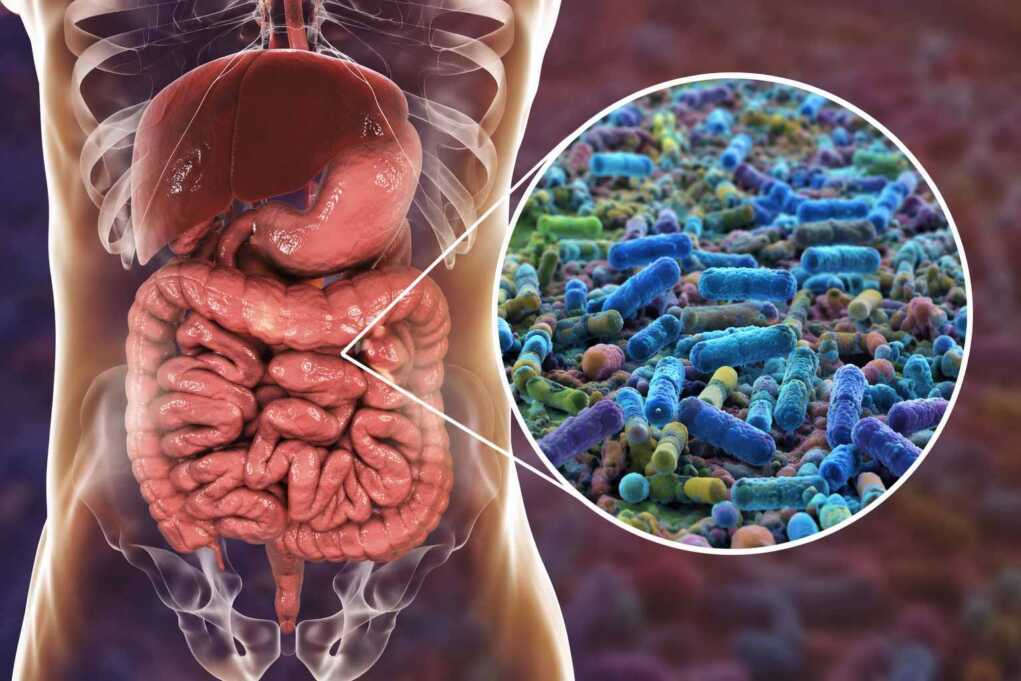
The human body is home to trillions of microorganisms that form a complex ecosystem known as the gut microbiome. These bacteria, fungi, viruses, and other microbes live primarily in the intestines, where they perform essential functions such as digesting food, producing nutrients, and helping regulate the immune system. Scientists once believed these organisms mainly influenced digestive health, but research over the last decade has revealed that their impact extends far beyond the gut. Today, researchers recognize the microbiome as a major factor influencing overall health, including the body’s ability to prevent and fight cancer.
One of the most exciting discoveries in modern cancer research is the connection between gut microorganisms and the effectiveness of cancer treatments. Studies have shown that certain microbial communities can strengthen the immune system’s response to cancer cells, while others may weaken it. In some cases, the composition of a person’s gut microbiome may help determine whether advanced cancer therapies, particularly immunotherapy, will succeed or fail. This emerging field is transforming how scientists think about cancer treatment and may lead to new strategies that improve patient outcomes by targeting the microbiome itself.
The Gut Microbiome and the Immune System
The immune system serves as the body’s primary defense against diseases, including cancer. A significant portion of immune activity originates in the gastrointestinal tract, where immune cells constantly interact with microorganisms living in the gut. Beneficial bacteria help train immune cells to distinguish between harmless substances and dangerous threats. They also produce compounds that reduce harmful inflammation and support the integrity of the intestinal barrier. When the microbiome is healthy and diverse, these interactions help maintain a strong and balanced immune response.
Researchers have found that disruptions in the microbiome, known as dysbiosis, can impair immune function. An unhealthy microbial balance may contribute to chronic inflammation, which has been linked to cancer development and progression. Certain microbial byproducts can influence how immune cells communicate, potentially affecting the body’s ability to identify and destroy tumor cells. As a result, maintaining a healthy gut microbiome may play a role in cancer prevention as well as treatment.
Why Gut Bacteria Matter in Cancer Treatment
Cancer immunotherapy works by helping the immune system recognize and attack cancer cells more effectively. However, not all patients respond to these treatments. Scientists investigating this mystery discovered that differences in gut microbiome composition may partially explain why some patients benefit while others do not. Specific bacterial species appear to enhance immune activation, making immunotherapy more effective, while a lack of beneficial microbes may reduce treatment success.
Research from leading cancer centers has shown that patients with favorable gut microbiomes often experience better responses to immune checkpoint inhibitors, a major class of immunotherapy drugs. These microorganisms may stimulate cancer-fighting T cells, improve immune signaling, and help overcome mechanisms that tumors use to evade detection. Such findings suggest that the microbiome acts as a hidden partner in cancer treatment, influencing outcomes in ways that researchers are only beginning to understand.
Can the Microbiome Be Improved?
Because the microbiome influences immune function, researchers are exploring ways to modify it to support cancer treatment. Diet is one of the most important factors affecting microbial diversity. Diets rich in fruits, vegetables, whole grains, and fiber tend to promote beneficial bacteria, while highly processed foods may contribute to microbial imbalance. Although no specific diet can cure cancer, maintaining a healthy microbiome may help create conditions that support immune health.
Scientists are also investigating probiotics, prebiotics, and fecal microbiota transplantation (FMT) as potential tools for improving treatment responses. FMT involves transferring beneficial microorganisms from a healthy donor to a patient in order to reshape the gut microbiome. Early studies suggest that such approaches may help some patients respond better to immunotherapy, though additional clinical research is needed before these methods become routine cancer treatments.
The Future of Cancer Care
The relationship between gut microorganisms and cancer represents one of the most promising frontiers in medical science. Researchers are increasingly viewing the microbiome as a factor that can influence treatment outcomes alongside genetics, lifestyle, and tumor characteristics. Future cancer care may include microbiome testing to help predict which therapies are most likely to work for individual patients.
As scientists continue to uncover the intricate connections between microbes and immunity, new treatments may emerge that intentionally modify the gut microbiome to improve cancer outcomes. While much remains to be learned, current evidence suggests that the tiny organisms living in our intestines play a surprisingly powerful role in determining how effectively the body fights one of humanity’s most challenging diseases.
Sources:
- Mayo Clinic – Microbiome as a Determinant of Cancer Outcomes
- MD Anderson Cancer Center – The Gut Microbiome and Cancer Treatment
- Cleveland Clinic – What Is Your Gut Microbiome?
- Johns Hopkins Medicine – Microbiome Research and Cancer Immunotherapy
- National Institute of Environmental Health Sciences (NIH) – Microbiome Overview
Disclaimer
The watching, interacting, and participation of any kind with anything on this page does not constitute or initiate a doctor-patient relationship with Dr. Farrah™. None of the statements here have been evaluated by the Food and Drug Administration (FDA). The products of Dr. Farrah™ are not intended to diagnose, treat, cure, or prevent any disease. The information being provided should only be considered for education and entertainment purposes only. If you feel that anything you see or hear may be of value to you on this page or on any other medium of any kind associated with, showing, or quoting anything relating to Dr. Farrah™ in any way at any time, you are encouraged to and agree to consult with a licensed healthcare professional in your area to discuss it. If you feel that you’re having a healthcare emergency, seek medical attention immediately. The views expressed here are simply either the views and opinions of Dr. Farrah™ or others appearing and are protected under the first amendment.
Dr. Farrah™ is a highly experienced Licensed Medical Doctor certified in evidence-based clinical nutrition, not some enthusiast, formulator, or medium promoting the wild and unrestrained use of nutrition products for health issues without clinical experience and scientific evidence of therapeutic benefit. Dr. Farrah™ has personally and keenly studied everything she recommends, and more importantly, she’s closely observed the reactions and results in a clinical setting countless times over the course of her career involving the treatment of over 150,000 patients.
Dr. Farrah™ promotes evidence-based natural approaches to health, which means integrating her individual scientific and clinical expertise with the best available external clinical evidence from systematic research. By individual clinical expertise, I refer to the proficiency and judgment that individual clinicians acquire through clinical experience and clinical practice.
Dr. Farrah™ does not make any representation or warranties with respect to the accuracy, applicability, fitness, or completeness of any multimedia content provided. Dr. Farrah™ does not warrant the performance, effectiveness, or applicability of any sites listed, linked, or referenced to, in, or by any multimedia content.
To be clear, the multimedia content is not intended to be a substitute for professional medical advice, diagnosis, or treatment. Always seek the advice of your physician or other qualified health providers with any questions you may have regarding a medical condition. Never disregard professional medical advice or delay in seeking it because of something you have read or seen in any website, video, image, or media of any kind. Dr. Farrah™ hereby disclaims any and all liability to any party for any direct, indirect, implied, punitive, special, incidental, or other consequential damages arising directly or indirectly from any use of the content, which is provided as is, and without warranties.