
Protein is often called the most weight-loss-friendly macronutrient, and for good reason. Unlike carbohydrates and fats, protein takes longer to digest, helps preserve lean muscle mass during a calorie deficit, and promotes a greater feeling of fullness after meals. Research consistently shows that people who consume adequate protein are more likely to control hunger, reduce snacking, and maintain muscle while losing body fat. These benefits make protein an essential component of a successful and sustainable weight-loss plan.
However, not all protein sources are created equal. While protein powders and supplements have become increasingly popular, nutrition experts generally agree that whole-food protein sources provide the greatest overall benefits because they also deliver vitamins, minerals, healthy fats, and fiber. The best type of protein for weight loss is therefore not a single food or supplement, but rather a combination of high-quality protein sources that support satiety, muscle maintenance, and overall health.
Why Protein Helps With Weight Loss
Protein supports weight loss through several mechanisms. First, it increases satiety, helping people feel full longer after meals. This can naturally reduce calorie intake throughout the day. Second, protein has a higher thermic effect than carbohydrates or fats, meaning the body burns more calories digesting and processing it. Third, adequate protein intake helps preserve muscle mass during weight loss, which is important for maintaining a healthy metabolism.
The Best Protein Sources for Weight Loss
1. Lean Animal Proteins
Lean animal proteins are among the most effective choices for weight loss because they provide complete proteins containing all essential amino acids while remaining relatively low in calories.
Examples include:
- Skinless chicken breast
- Turkey breast
- Fish such as salmon, tuna, and trout
- Eggs and egg whites
- Greek yogurt
- Cottage cheese
Fish, particularly salmon, offers additional benefits due to its omega-3 fatty acid content, which supports heart health and may help reduce inflammation. Greek yogurt and eggs are also highly satisfying foods that can help reduce hunger between meals.
2. Plant-Based Proteins
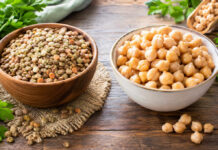
Plant proteins can be just as effective for weight loss when consumed in sufficient amounts. Many plant-based protein foods also contain fiber, which further increases fullness and supports digestive health.
Excellent options include:
- Lentils
- Chickpeas
- Black beans
- Peas
- Tofu
- Tempeh
- Edamame
- Nuts and seeds
Research suggests that plant-based proteins may offer unique weight-management benefits because they are often lower in saturated fat and higher in fiber than many animal-based protein sources.
3. Whey Protein
Among protein supplements, whey protein is frequently considered the gold standard for weight loss and muscle preservation. Whey is rapidly absorbed and rich in essential amino acids, particularly leucine, which plays a key role in muscle protein synthesis.
Whey protein can be useful for:
- Increasing daily protein intake
- Supporting recovery after exercise
- Preserving muscle during weight loss
- Providing a convenient meal or snack option
However, experts emphasize that whey protein should complement a healthy diet rather than replace nutrient-dense whole foods.
4. Casein Protein
Casein is another dairy-based protein that digests more slowly than whey. Because of its gradual absorption, casein may help control hunger for longer periods and provide a steady release of amino acids throughout the day or overnight. Some studies suggest that combining whey and casein may support body composition improvements during weight loss efforts.
Is Animal or Plant Protein Better?
Current evidence suggests that both animal and plant proteins can support weight loss effectively when total protein intake is adequate. Animal proteins generally provide complete amino acid profiles and higher protein density, while plant proteins offer fiber and additional beneficial nutrients. The best approach for most people is to include a variety of both sources whenever possible.
How Much Protein Do You Need?
Protein requirements vary depending on age, activity level, body size, and weight-loss goals. Health experts generally recommend that protein provide approximately 10% to 35% of daily calories. Many dietitians also recommend distributing protein evenly across meals and aiming for roughly 20–30 grams of protein per meal to maximize satiety and muscle maintenance.
Final Verdict
The best type of protein for weight loss is high-quality protein from whole foods, including lean meats, fish, eggs, Greek yogurt, legumes, tofu, and other minimally processed sources. For most people, these foods provide the ideal combination of satiety, nutrition, and muscle preservation. Protein powders such as whey or casein can be helpful supplements when dietary intake falls short, but they should not replace a balanced diet. Ultimately, successful weight loss depends on maintaining a calorie deficit while consuming enough protein to control hunger and protect lean muscle mass.
Sources:
- Healthline – What Is the Best Type of Protein for Weight Loss?
https://www.healthline.com/nutrition/best-protein-for-weight-loss - Mayo Clinic – Protein Shakes: Good for Weight Loss?
https://www.mayoclinic.org/health/protein-shakes/AN01332 - Harvard Health – Are You Eating Enough Protein?
https://www.health.harvard.edu/nutrition/are-you-eating-enough-protein - Cleveland Clinic – Plate Debate: What Are the Best and Worst Sources of Protein?
https://health.clevelandclinic.org/best-and-worst-sources-of-protein - Johns Hopkins Medicine – Dieting and Weight Loss
https://www.hopkinsmedicine.org/health/wellness-and-prevention/dieting-and-weight-loss
Disclaimer
The watching, interacting, and participation of any kind with anything on this page does not constitute or initiate a doctor-patient relationship with Dr. Farrah™. None of the statements here have been evaluated by the Food and Drug Administration (FDA). The products of Dr. Farrah™ are not intended to diagnose, treat, cure, or prevent any disease. The information being provided should only be considered for education and entertainment purposes only. If you feel that anything you see or hear may be of value to you on this page or on any other medium of any kind associated with, showing, or quoting anything relating to Dr. Farrah™ in any way at any time, you are encouraged to and agree to consult with a licensed healthcare professional in your area to discuss it. If you feel that you’re having a healthcare emergency, seek medical attention immediately. The views expressed here are simply either the views and opinions of Dr. Farrah™ or others appearing and are protected under the first amendment.
Dr. Farrah™ is a highly experienced Licensed Medical Doctor certified in evidence-based clinical nutrition, not some enthusiast, formulator, or medium promoting the wild and unrestrained use of nutrition products for health issues without clinical experience and scientific evidence of therapeutic benefit. Dr. Farrah™ has personally and keenly studied everything she recommends, and more importantly, she’s closely observed the reactions and results in a clinical setting countless times over the course of her career involving the treatment of over 150,000 patients.
Dr. Farrah™ promotes evidence-based natural approaches to health, which means integrating her individual scientific and clinical expertise with the best available external clinical evidence from systematic research. By individual clinical expertise, I refer to the proficiency and judgment that individual clinicians acquire through clinical experience and clinical practice.
Dr. Farrah™ does not make any representation or warranties with respect to the accuracy, applicability, fitness, or completeness of any multimedia content provided. Dr. Farrah™ does not warrant the performance, effectiveness, or applicability of any sites listed, linked, or referenced to, in, or by any multimedia content.
To be clear, the multimedia content is not intended to be a substitute for professional medical advice, diagnosis, or treatment. Always seek the advice of your physician or other qualified health providers with any questions you may have regarding a medical condition. Never disregard professional medical advice or delay in seeking it because of something you have read or seen in any website, video, image, or media of any kind. Dr. Farrah™ hereby disclaims any and all liability to any party for any direct, indirect, implied, punitive, special, incidental, or other consequential damages arising directly or indirectly from any use of the content, which is provided as is, and without warranties.