
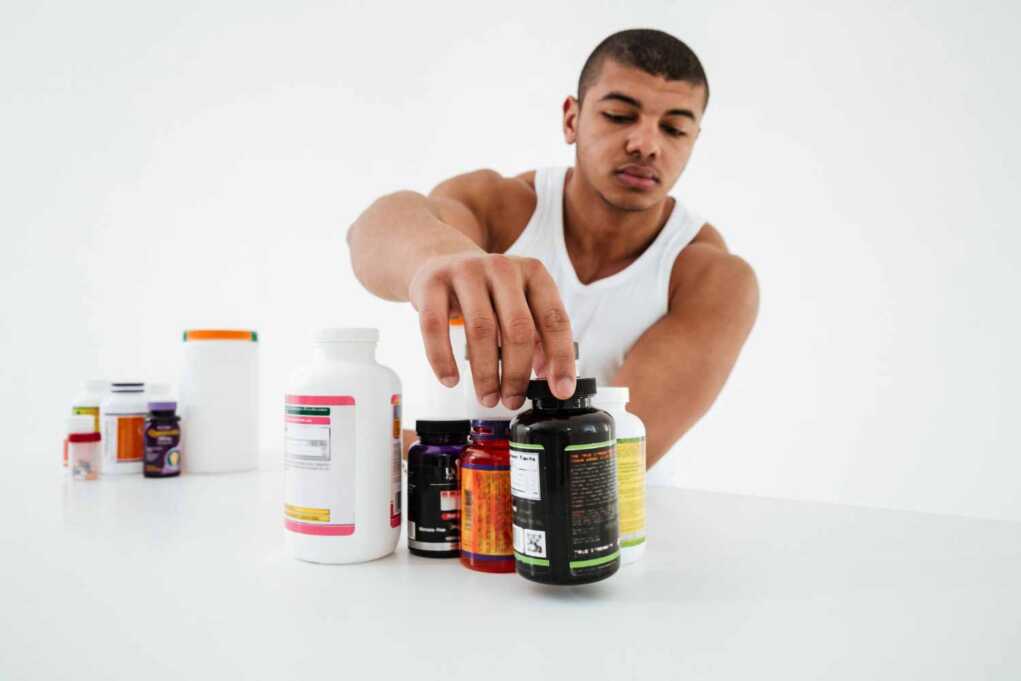
In the pursuit of better fitness, many athletes and gym-goers turn to workout supplements to gain a competitive edge, recover faster, or build muscle more efficiently. From protein powders and pre-workout drinks to creatine and beta-alanine, the supplement industry is booming—projected to surpass $40 billion globally in the coming years. These products often promise increased strength, improved endurance, and faster recovery, but how much of that is marketing—and how much is backed by science?
The question remains: do workout supplements really improve performance, or are they simply expensive placebos? While some supplements are well-supported by research, others offer marginal benefits at best—or may even be unnecessary or counterproductive. In this article, we’ll take a closer look at the most popular workout supplements, what science says about their effectiveness, and which ones are worth your time and money.
The Scientific Verdict
1. Creatine – The Clear Winner
Creatine monohydrate is one of the most studied and effective supplements for enhancing physical performance. It increases the availability of ATP—the body’s primary energy currency—during short, intense exercise. Studies show strength and power gains of up to 10–15%, especially in high-intensity sprinting, jumping, and heavy lifting. Beyond muscles, early research indicates cognitive and recovery benefits too . Recommended dosing is 3–5 g/day, often starting with a “loading” phase, though a steady 3 g/day works just as well over time.
2. Beta-Alanine – Buffers Fatigue
Beta-alanine boosts muscle levels of carnosine, which helps buffer lactic acid during sustained high-intensity efforts (lasting ~30 seconds to 10 minutes). Clinical reviews suggest modest performance improvements in such activities. However, it doesn’t enhance pure strength and can cause tingling sensations (paresthesia) in some users .
3. Protein Supplements – Aid Muscle Gains & Recovery
Protein, especially whey, is key for muscle repair and growth. Meta-analyses confirm that protein supplementation enhances muscle mass and strength gains during resistance training—particularly beyond the first few weeks. A daily intake around 1.6 g/kg (up to ~2.2 g/kg) is optimal; extra protein beyond that has diminishing returns.
4. Caffeine and Pre-Workout Stacks – Quick Energy Boost
Caffeine is one of the few proven performance-enhancing stimulants, especially for endurance and high-intensity workouts. Pre-workouts combining caffeine, creatine, beta-alanine, and BCAAs can boost aerobic endurance (e.g., +8% in one basketball study), but effects on strength/agility are inconsistent. Though generally safe, some blends include untested or risky ingredients—oversight by third-party testers is essential.
5. Other Supplements – Mixed or Limited Evidence
- Ginseng: Few small trials show no clear physical benefits.
- Glutamine: No direct performance boost, but may reduce post-workout soreness.
- Iron: Helps performance only if you’re iron-deficient; otherwise benefits are unclear .
- Antioxidants (e.g., vitamins C/E): May actually blunt training adaptations by dampening physiological stress signals .
- Nitrates/Beetroot Juice: Emerging evidence suggests endurance performance benefits via improved blood flow.
What Works—And Where to Proceed with Caution
| Supplement | Best For | Typical Benefit | Notes |
| Creatine | High-intensity & strength | +5–15% power/strength | Safe, well-studied, minimal side effects |
| Beta-Alanine | High-intensity endurance (30s–10min) | Small endurance boost | Tingling possible, longer to show effects |
| Protein | Muscle growth, recovery | Enhanced strength gain | No benefit in early weeks, optimal intake ~1.6 g/kg/day |
| Caffeine/Pre-workout | Endurance & energy | Moderate energy feel | Choose clean formulations to avoid harmful additives |
| Others (Ginseng, glutamine, iron, antioxidants) | Specific needs only | Low to none | Consult professionals before use |
Final Take
Workout supplements can improve performance—but only when used correctly and for the right goals:
- Creatine monohydrate stands out as a top-tier supplement for boosting strength and power.
- Protein supports muscle growth and recovery.
- Beta-alanine and caffeine-based pre-workouts offer incremental improvements in endurance and perceived energy.
- The rest? Benefits are either modest, conditional, or not proven—and some may interfere with natural adaptations.
Before diving in, talk to a health professional. Supplements aren’t regulated like drugs; product purity varies, and some ingredients may interact with medications or health conditions.
Sources:
- Healthline – How Creatine Boosts Exercise Performance & Creatine monohydrate overview
- WebMD – Beta-alanine uses and risks
- NIH ODS – Dietary Supplements for Exercise & Athletic Performance
- Harvard Health – What is creatine? Potential benefits and risks
- Cleveland Clinic – Creatine: What It Does, Benefits, Safety
Links:
- https://www.healthline.com/nutrition/creatine-exercise-performance
- https://www.webmd.com/vitamins-and-supplements/beta-alanine-uses-and-risks
- https://ods.od.nih.gov/factsheets/exerciseandathleticperformance-healthprofessional/
- https://www.health.harvard.edu/exercise-and-fitness/what-is-creatine-potential-benefits-and-risks-of-this-popular-supplement
- https://my.clevelandclinic.org/health/treatments/17674-creatine
Disclaimer
The watching, interacting, and participation of any kind with anything on this page does not constitute or initiate a doctor-patient relationship with Dr. Farrah™. None of the statements here have been evaluated by the Food and Drug Administration (FDA). The products of Dr. Farrah™ are not intended to diagnose, treat, cure, or prevent any disease. The information being provided should only be considered for education and entertainment purposes only. If you feel that anything you see or hear may be of value to you on this page or on any other medium of any kind associated with, showing, or quoting anything relating to Dr. Farrah™ in any way at any time, you are encouraged to and agree to consult with a licensed healthcare professional in your area to discuss it. If you feel that you’re having a healthcare emergency, seek medical attention immediately. The views expressed here are simply either the views and opinions of Dr. Farrah™ or others appearing and are protected under the first amendment.
Dr. Farrah™ is a highly experienced Licensed Medical Doctor certified in evidence-based clinical nutrition, not some enthusiast, formulator, or medium promoting the wild and unrestrained use of nutrition products for health issues without clinical experience and scientific evidence of therapeutic benefit. Dr. Farrah™ has personally and keenly studied everything she recommends, and more importantly, she’s closely observed the reactions and results in a clinical setting countless times over the course of her career involving the treatment of over 150,000 patients.
Dr. Farrah™ promotes evidence-based natural approaches to health, which means integrating her individual scientific and clinical expertise with the best available external clinical evidence from systematic research. By individual clinical expertise, I refer to the proficiency and judgment that individual clinicians acquire through clinical experience and clinical practice.
Dr. Farrah™ does not make any representation or warranties with respect to the accuracy, applicability, fitness, or completeness of any multimedia content provided. Dr. Farrah™ does not warrant the performance, effectiveness, or applicability of any sites listed, linked, or referenced to, in, or by any multimedia content.
To be clear, the multimedia content is not intended to be a substitute for professional medical advice, diagnosis, or treatment. Always seek the advice of your physician or other qualified health providers with any questions you may have regarding a medical condition. Never disregard professional medical advice or delay in seeking it because of something you have read or seen in any website, video, image, or media of any kind. Dr. Farrah™ hereby disclaims any and all liability to any party for any direct, indirect, implied, punitive, special, incidental, or other consequential damages arising directly or indirectly from any use of the content, which is provided as is, and without warranties.